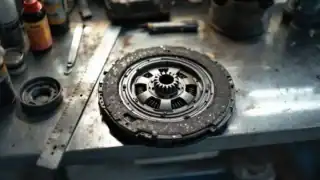
A BMW clutch that’s wearing out or failing can leave you stranded or make every drive uncomfortable. Whether you’re noticing a soft, spongy pedal, slipping gears, or a burning smell when you pull away from traffic, it’s time to get your clutch inspected by someone who knows BMW’s engineering inside out. At TFD Tyre & Mechanical, we specialise in BMW clutch diagnostics and repairs, using Snap-On diagnostic equipment to pinpoint exactly what’s happening with your clutch system before we recommend any work. If you’re in Mackay and your BMW’s clutch is showing signs of wear, we’re here to help.
What Does a BMW Clutch Do, and Why Does It Wear?
Your clutch is the connection between your engine and gearbox. When you press the pedal, it disengages the engine from the transmission so you can change gears smoothly. BMW clutches, particularly in manual and DCT (dual-clutch automatic) models, work hard every day, especially in city driving where you’re constantly shifting and stopping. Over time, the clutch plate friction material wears thin, the pressure plate loses clamping force, or the hydraulic system develops a leak. The result: difficulty engaging gears, a slipping sensation when accelerating, or a pedal that feels nothing like it used to.
Common Signs Your BMW Clutch Needs Attention
- Soft or spongy clutch pedal that sinks toward the floor
- Difficulty engaging gears, especially reverse or first gear
- Engine revs climb but the car doesn’t accelerate (clutch slipping)
- Burning smell when pulling away or climbing hills
- Grinding noise or vibration when the pedal is pressed
- Clutch pedal stays down or won’t return fully
Don’t ignore these warning signs. A worn clutch won’t fix itself, and ignoring the problem can damage the flywheel and pressure plate, turning a straightforward clutch replacement into a much bigger (and costlier) job. If you’re experiencing any of these symptoms, it’s worth getting a proper diagnosis rather than guessing or hoping it goes away.
How We Diagnose BMW Clutch Problems
Not every clutch problem is the same, and BMW’s hydraulic and mechanical clutch systems vary across model generations. We start with a thorough inspection using our Snap-On diagnostic equipment to read any fault codes stored in your BMW’s engine and transmission computers. This tells us whether the issue is mechanical wear, a hydraulic leak, a faulty sensor, or a more complex transmission problem masquerading as a clutch fault.
We then perform a physical inspection of the clutch pedal feel, listen for abnormal noises, and check for fluid leaks around the master cylinder and slave cylinder. For manual clutch systems, we assess how much friction material remains on the clutch plate. For DCT models (common in newer BMW automatics), we evaluate whether the system is engaging and disengaging properly. This hands-on diagnosis prevents unnecessary parts replacement and gives you a clear picture of what actually needs fixing.
What’s Involved in a BMW Clutch Replacement
A clutch replacement on a BMW is not a quick job. The gearbox must be removed to access the clutch plate, pressure plate, and flywheel. We always inspect the flywheel while we’re in there, because a worn or scored flywheel can cause the new clutch to fail prematurely. If the flywheel needs resurfacing or replacement, we’ll discuss that upfront so there are no surprises.
We use genuine BMW or OEM-equivalent clutch components that match your car’s specification. Cheap aftermarket clutches might feel okay initially but wear faster and can cause inconsistent pedal feel. Your BMW’s clutch was engineered to work with specific friction characteristics and pressure plate loadings, and we respect that engineering. We also replace the flywheel bolts, adjust the hydraulic system, and bleed air from the lines to ensure your new clutch feels responsive and reliable.
What Affects the Cost and Time for Your BMW Clutch Job
Several factors influence how much a BMW clutch repair or replacement will cost. The model year and whether it’s a manual or automatic (DCT) clutch system changes the scope of work. Older models with simpler hydraulic systems can be quicker than newer DCTs with electronic sensors and software. Whether the flywheel needs resurfacing or replacement also impacts the final cost. Parts availability for some BMW models can add a day or two to the turnaround if we need to order OEM components, but we’ll let you know upfront.
Rather than guessing at a price, we give you a transparent quote based on what we actually find during inspection. You’ll know what we’re replacing, why, and what it costs before we start any work. We don’t charge for the diagnosis if you decide to proceed with the clutch repair.
Why Choose TFD Tyre & Mechanical for Your BMW Clutch Repair in Mackay
We’re a family-run workshop with 18 years’ experience working on European vehicles and BMWs specifically. We own Snap-On diagnostic equipment that reads BMW fault codes accurately, so we don’t waste time or money chasing the wrong problem. We use genuine and OEM-spec parts, not cheap substitutes, because your BMW deserves the same quality it left the factory with. And as a one-stop shop, we can handle your full vehicle care including tyres, wheel alignments, logbook servicing, RWC and COI inspections, and ARCtick-licensed air conditioning, so you don’t have to chase around Mackay between different shops.
Our 4.7 star rating with over 89 five-star reviews reflects the trust families and tradies have placed in us across the region. If you’re not happy with the work we’ve done, our satisfaction guarantee means we make it right.
Book Your BMW Clutch Inspection Today
If your clutch pedal feels soft, your gears are grinding, or you’re noticing any of the warning signs above, don’t delay. Call Us Today to discuss your symptoms, or Book Your Free Inspection online. We’ll get to the root of the problem and give you an honest, transparent quote for the fix.