Family-Run & Trusted
Genuine & OEM Parts
4.7★ Rating
Satisfaction Guaranteed

4.7 (89+ 5★ Reviews)

Top Rated Brake Fluid Change In Mackay

Old brake fluid absorbs moisture over time, quietly reducing your stopping power. We drain and replace it at our Mackay workshop so your brakes work the way they're supposed to.

Expert Diagnostics

Honest Advice

4.7★ Rating

Safety-Critical Fluid

Book Your Free Inspection

Fill in the form and we'll get back to you shortly. No obligation.

Booking Form
  • Vehicle Details
  • Confirm Vehicle
  • Services
  • Contact Details
Transparent Quotes
Quality Parts Used
Satisfaction Guarantee

Why Book With Us

Book Your Free Inspection
Drop Off Your Car
We Get to Work
Back on the Road

A brake fluid change is one of those jobs that’s easy to forget, but it keeps your brakes working the way they should. Brake fluid soaks up moisture over time, and that water lowers its boiling point. When that happens, your pedal can feel spongy and your stopping power drops, especially on a long downhill or in stop-start traffic. If you drive around Mackay and your brakes don’t feel as firm as they used to, fresh fluid is often part of the fix. It’s a small service that protects the bigger, more expensive brake components down the line.

How Often Should You Change Your Brake Fluid?

Most carmakers recommend a brake fluid change every couple of years, regardless of how many kilometres you’ve done. The reason is simple: the fluid absorbs water from the air whether you’re driving daily or the car’s sitting in the shed. Mackay’s humidity doesn’t help, and warm, damp conditions speed up that moisture build-up.

Here are the signs it’s time to get the fluid looked at:

  • A soft or spongy brake pedal that sinks further than it used to
  • Brakes that feel less sharp, particularly after towing or a long drive
  • Dark or murky fluid in the reservoir instead of a clear amber colour
  • A brake warning light on the dash
  • It’s simply been more than two years since the last change

If you’ve noticed any of these, don’t put it off. Healthy brake fluid is part of a safe braking system, and it’s a quick thing for us to check.

What Happens During a Brake Fluid Change?

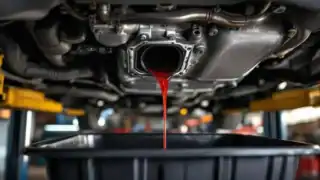
We start by checking the condition of the existing fluid and the level in the reservoir. Then we test for moisture content, because that’s the real measure of whether the fluid has done its dash. From there we flush the old fluid out through each brake line and bleed the system, working through each wheel until clean, fresh fluid comes through with no air bubbles.

Air in the lines is the enemy here. Trapped air compresses, and that’s what gives you a soft pedal. Bleeding the system properly is what gives you a firm pedal again. While we’re under there, our technicians give the brake lines, calipers and hoses a once-over for leaks or wear, since it makes sense to catch any issues while everything’s exposed. We use brake fluid that matches your car’s specification, whether that’s DOT 3, DOT 4 or DOT 5.1, so the system runs the way the manufacturer intended.

What Affects the Cost and Time?

A straightforward brake fluid flush on most cars is a quick job. A few things can shift the price and time, though, and we’ll always talk you through them before we start:

  • The type of brake fluid your vehicle needs, as some specs cost more than others
  • Whether your car has electronic stability control or ABS that needs a special bleed procedure
  • If we find a leak, worn hose or other issue that needs sorting at the same time
  • The condition of bleed nipples on older vehicles, which can occasionally seize

You’ll get an honest, upfront quote before any work happens. No surprises, no upselling you on parts you don’t need. If the fluid’s still in good shape, we’ll tell you that too.

Why Mackay Drivers Choose TFD Tyre & Mechanical

We’re a family-run father-and-son workshop with 18 years in the trade, and the whole business runs on honest advice and fair pricing. Our team uses the latest Snap-On diagnostic gear to find faults fast, and we fit genuine and OEM-spec parts and fluids rather than cheap substitutes that can let your brakes down.

Because we’re a one-stop shop, you can sort your brake fluid, a wheel alignment, new tyres, a logbook service or a roadworthy under one roof. We’re a TMR-approved inspection station for roadworthy and certificate of inspection work, and we’re ARCtick licensed for air conditioning too. That means you’re not running your car between three different places to get everything done. Every job we do is backed by our satisfaction guarantee. If you’re not happy, we make it right.

If your pedal feels soft or it’s been a while since your last brake fluid change, Call Us Today or Book Your Free Inspection online. We look after drivers right across Mackay and the surrounding area, and we’ll have your brakes feeling firm and safe again.
Other Services

Whatever your needs we have you covered, see some similar services below or click "See All Services" to explore our full service offering.

Honest Mechanics Mackay Drivers Rely On

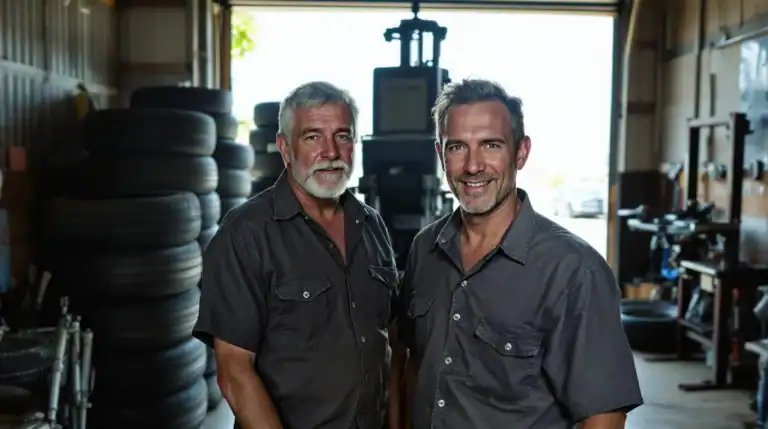
Family-run by Mark and Elijah with 18 years in the trade, we give you straight answers, fair prices, and quality parts — not the runaround.

Honest, Upfront Quotes

You’ll know exactly what’s needed and what it costs before we touch your car.

Latest Snap-On Diagnostics

Bring your vehicle in and we’ll assess it and give you a clear, honest quote upfront.

OEM-Spec Fluid, Right Grade

We use the correct fluid spec for your vehicle, not a one-size-fits-all substitute.

How a Brake Fluid Change Works

Getting your brake fluid changed at TFD Tyre & Mechanical is a straightforward process from booking to back on the road.

Step 1

Book Your Free Inspection

Book your free inspection online or call us today to lock in a time that suits you.

Step 2

Fluid Condition Assessment

We test your brake fluid for moisture content and contamination to confirm whether a change is needed.

Step 3

Brake Fluid Flush and Refill

We flush the old fluid completely and refill with fresh fluid meeting your vehicle's specified grade.

Step 4

Brake Check and Handover

We verify brake pedal feel and system pressure before letting you know your car is ready to collect.

Rated 4.7 Stars by Our Customers

4.7 (89+ 5★ Reviews)

Quality Parts From Trusted Suppliers

We fit genuine and OEM-spec parts sourced from reputable suppliers. No cheap substitutes - just quality components that do the job properly.

Book Your Free Inspection

Fill in the form and we'll get back to you shortly. No obligation.

Booking Form
  • Vehicle Details
  • Confirm Vehicle
  • Services
  • Contact Details
Transparent Quotes
Quality Parts Used
Satisfaction Guarantee

Why Book With Us

Book Your Free Inspection
Drop Off Your Car
We Get to Work
Back on the Road

Got Questions? We Have Answers

Browse the questions below for quick answers about our services. If yours isn't listed, give us a call and we'll sort you out.

Most manufacturers recommend changing brake fluid every two years or around 40,000 km, whichever comes first. Brake fluid absorbs moisture over time, which lowers its boiling point and reduces braking performance. If your fluid hasn’t been changed in a while, or if it looks dark and murky rather than clear or light amber, it’s worth getting it tested. Some vehicles with specific driving conditions may need it done sooner, so checking your logbook is always a good starting point.

Old brake fluid absorbs water from the air, and that moisture causes corrosion inside your brake lines, callipers, and master cylinder. More critically, it lowers the fluid’s boiling point. Under hard braking, degraded fluid can vaporise and create air bubbles in the lines, which causes brake fade, meaning your pedal goes soft or spongy when you need it most. Delaying a fluid change is a genuine safety risk, not just a maintenance box to tick.

A soft or spongy brake pedal is the most common sign. You might also notice the pedal sinking closer to the floor than usual, or the vehicle taking longer to stop than it used to. A brake warning light on the dash can also indicate low or degraded fluid. Any of these symptoms are worth having checked promptly. Don’t wait for the next scheduled service if something feels off with your brakes.

We start by testing your existing fluid with a moisture meter to confirm it needs replacing. Then we flush the old fluid out of the entire braking system, including the master cylinder, brake lines, callipers, and wheel cylinders, before refilling with fresh fluid to the correct specification for your vehicle. We also check the system for any leaks or worn components while we’re in there. The whole job is typically completed within an hour.

Under ACCC guidance, Australian consumer law generally allows you to have your vehicle serviced by a qualified independent mechanic without voiding the manufacturer’s warranty, as long as the correct fluid specification and service procedures are followed. We use genuine and OEM-spec fluids to match your vehicle’s requirements. That said, this is general information rather than legal advice, so if you have specific warranty concerns, it’s worth checking your individual policy or contacting your manufacturer directly.

Yes, we can record the service in your logbook. Keeping a complete service history is worthwhile regardless of your vehicle’s age, as it supports any warranty claims and adds value if you ever sell the car. We note the fluid specification used, the date, and the odometer reading so there’s a clear record of the work.

The main variables are the type of fluid your vehicle requires and how much is needed to flush the system fully. Most standard passenger cars use DOT 4 fluid, but some European and performance vehicles require DOT 5.1 or a manufacturer-specific specification, which can affect the price. The overall job is usually straightforward and reasonably priced, but we’ll give you a clear quote before we start so there are no surprises.

The correct fluid type is usually printed on the brake fluid reservoir cap under the bonnet, and it will also be listed in your vehicle’s owner’s manual. Common types are DOT 3, DOT 4, and DOT 5.1, with DOT 4 being the most widely used in Australian passenger vehicles. Using the wrong type can damage seals and compromise braking performance, so it’s important to get it right. If you’re unsure, bring it in and we’ll check for you.

Topping up is possible at home if you know what you’re doing, but a full flush requires bleeding the brakes at each wheel in the correct sequence, which needs specific tools and care to avoid introducing air into the lines. Getting it wrong can leave air in the system, which seriously affects brake performance. For a safety-critical job like this, having it done professionally is the sensible call. Here in Mackay, it’s a quick job for us and gives you confidence that it’s been done properly.

While we’re working through the braking system, we keep an eye on the condition of brake lines, hoses, callipers, and the master cylinder for any signs of leaks, corrosion, or wear. We also check pad and rotor condition while the wheels are off. We won’t push unnecessary work on you, but if we spot something that needs attention, we’ll let you know before doing anything. Transparent advice is how we operate at TFD Tyre & Mechanical.

Continue to site