Family-Run & Trusted
Genuine & OEM Parts
5★ Reviews
Satisfaction Guaranteed

Verified 5★ Reviews

Expert Japanese Vehicles Mechanic In Mackay

Mackay's Japanese cars deserve a mechanic who knows them. We service Toyota, Honda, Mazda, Subaru and more using genuine OEM-spec parts and Snap-On diagnostics - straight advice, fair price.

Expert Diagnostics

Honest Advice

5★ Reviews

Japanese Car Experts

Book Your Free Inspection

Fill in the form and we'll get back to you shortly. No obligation.

Booking Form
  • Vehicle Details
  • Confirm Vehicle
  • Services
  • Contact Details
Transparent Quotes
Quality Parts Used
Satisfaction Guarantee

Why Book With Us

Book Your Free Inspection
Drop Off Your Car
We Get to Work
Back on the Road

If you drive a Toyota, Mazda, Nissan, Subaru, Honda, Mitsubishi or any other Japanese make, you want a Japanese Vehicles mechanic who actually knows these cars inside out. They’re built differently to European or American vehicles, and the way they fault, the service intervals they follow, and the parts they need all reflect that. At TFD Tyre & Mechanical in Mackay, we look after Japanese cars and utes every day, from family Corollas and CX-5s to hardworking HiLux and Triton utes. We use the right diagnostic gear, the right parts, and give you honest advice on what your car actually needs.

What Makes Japanese Vehicle Servicing Different?

Japanese manufacturers are known for tight engineering tolerances and detailed logbook schedules. Skip a service or use the wrong oil and these engines will let you know about it. Each brand has its own quirks too. Toyotas and Mazdas tend to run long and reliably when serviced on time, while some Subaru engines need an eye kept on head gaskets and oil consumption as they age. Nissan CVT transmissions (the type with no fixed gears) need the correct fluid and regular checks to stay healthy. Knowing these patterns means we can catch small issues before they turn into big bills.

Signs Your Japanese Car Needs a Mechanic

Some problems creep up slowly, others arrive all at once. Either way, don’t wait it out. Common signs we see across Japanese makes include:

  • A dashboard warning light that stays on, especially the check engine light
  • Rough idling, hesitation when accelerating, or unusual fuel use
  • A whine, shudder or delayed response from an automatic or CVT transmission
  • Rattles, knocks or clunks over Mackay’s rougher back roads
  • Oil spots on the driveway or oil disappearing between services
  • Air con that’s lost its bite (we’re ARCtick licensed to sort that)
  • Your logbook service is overdue or the service light is showing

Any of these is worth a look. The sooner we find the cause, the cheaper and simpler the fix usually is.

What We Do When You Bring In a Japanese Vehicle

We start by listening to what you’ve noticed, then we get the car on the hoist and connect our latest Snap-On diagnostic equipment. For Japanese makes, this lets us read manufacturer fault codes properly rather than guessing from a generic scan. We pinpoint the real fault fast, which means you’re not paying to replace parts that were never the problem.

For logbook servicing, we follow the manufacturer’s schedule for your make and model, whether that’s Toyota’s interval-based servicing or the schedule your handbook sets out. We use genuine or OEM-spec parts and fluids matched to your vehicle, not cheap substitutes that void the spec. That covers the right engine oil grade, correct filters, brake checks, and the specific items your logbook calls for at each interval.

Beyond servicing, we handle Japanese vehicle diagnostics, brakes, suspension, cooling systems, clutches, wheel alignments, tyres and air con all under one roof. You won’t get sent across town to a tyre shop and then to a separate inspection station. If you need a roadworthy, we’re a TMR-approved inspection station for RWC and COI as well.

Logbook Servicing and Your Warranty

A lot of Japanese car owners worry that servicing anywhere but a dealership will affect their new-car warranty. Generally, Australian Consumer Law allows you to have your vehicle serviced by a qualified independent mechanic without affecting the manufacturer’s warranty, as long as the service is done to schedule with the right parts. We stamp your logbook and keep clear records. It’s worth checking your own warranty terms for your situation, and we’re happy to talk it through.

What Affects the Cost and Time?

Honest answer: it depends on the job. A standard logbook service on a Mazda3 is straightforward and quick. A transmission fault on an older Subaru or chasing an intermittent electrical gremlin takes longer because the diagnosis itself is the work. Parts availability matters too. Common Japanese parts are usually easy to get, but some models or older imports need ordering in. We always give you a transparent quote before we start, so you know what you’re up for. No surprises when you pick the car up.

Why Mackay Drivers Choose TFD for Japanese Vehicles

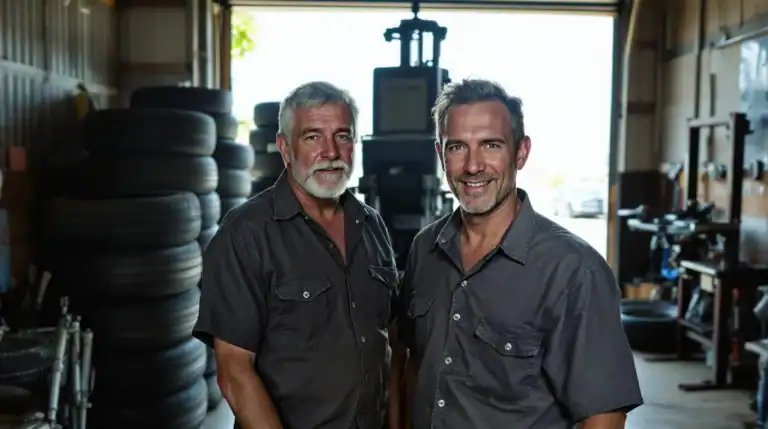
We’re a family-run, father-and-son workshop with 18 years in the trade. Japanese cars and utes are the bread and butter of what rolls through our doors around Mackay, so we know them well. What you get from us:

  • Snap-On diagnostics to find the real fault, not a guess
  • Genuine and OEM-spec parts matched to your make
  • A genuine one-stop shop: tyres, mechanical, alignments, inspections and air con
  • Honest advice and a transparent quote at a fair price
  • A satisfaction guarantee, so if you’re not happy, we make it right

We rate well with local drivers and a fair few of them keep coming back, which tells us we’re doing right by them.

If your Japanese car or ute is due for a service, showing a warning light, or just not feeling right, Call Us Today or Book Your Free Inspection online. We look after drivers right across Mackay and the surrounding area.
Honest Mechanics Mackay Drivers Rely On

Family-run by Mark and Elijah with 18 years in the trade, we give you straight answers, fair prices, and quality parts — not the runaround.

Honest, Upfront Quotes

You’ll know exactly what’s needed and what it costs before we touch your car.

Latest Snap-On Diagnostics

Bring your vehicle in and we’ll assess it and give you a clear, honest quote upfront.

OEM-Spec Parts for Japanese Makes

We fit genuine and OEM-spec parts suited to your Japanese vehicle’s exact specs.

Brands We Service

Whatever your needs chances are we have you covered, see other brands we service below or click "See All Brands" to see the full list of brands we service.

How Japanese Vehicle Servicing Works

Servicing your Japanese vehicle at TFD Tyre & Mechanical is a straightforward four-step process from booking to handover.

Step 1

Book Your Free Inspection

Call Us Today or Book Your Free Inspection online to tell us what your Japanese vehicle needs.

Step 2

Japanese Vehicle Diagnostic Scan

We run a full scan with Snap-On equipment, reading manufacturer-specific fault codes and checking known model issues.

Step 3

Repairs With OEM-Spec Parts

We carry out all required work using genuine or OEM-spec parts suited to your vehicle's make and model.

Step 4

Quality Check and Handover

We verify the work, walk you through what was done, and return your vehicle ready for the road.

Rated 4.7 Stars by Our Customers

Verified 5★ Reviews

Quality Parts From Trusted Suppliers

We fit genuine and OEM-spec parts sourced from reputable suppliers. No cheap substitutes - just quality components that do the job properly.

Book Your Free Inspection

Fill in the form and we'll get back to you shortly. No obligation.

Booking Form
  • Vehicle Details
  • Confirm Vehicle
  • Services
  • Contact Details
Transparent Quotes
Quality Parts Used
Satisfaction Guarantee

Why Book With Us

Book Your Free Inspection
Drop Off Your Car
We Get to Work
Back on the Road

Got Questions? We Have Answers

Browse the questions below for quick answers about our services. If yours isn't listed, give us a call and we'll sort you out.

A mechanic experienced with Japanese vehicles understands the specific service schedules, engineering tolerances, and known issues that come with brands like Toyota, Mazda, Honda, Subaru, Nissan, and Mitsubishi. Japanese manufacturers often have tighter specifications for oil viscosity, timing belt intervals, and torque settings. A general mechanic can absolutely work on these cars, but one familiar with the marque will recognise make-specific quirks faster, source the right OEM-spec parts without guessing, and use diagnostic equipment that reads manufacturer fault codes accurately.

Under ACCC guidance, Australian consumer law generally allows you to have your vehicle serviced by a qualified independent mechanic without voiding the manufacturer warranty, provided the correct parts and fluids are used and the service is properly documented. This is general information only, not legal advice, so check your specific warranty terms if you are unsure. We use genuine or OEM-spec parts and stamp your logbook at every scheduled service, keeping your records complete.

Japanese vehicles are generally reliable, but a few patterns do show up with age and kilometres. Toyota timing chains can rattle on cold starts if oil changes are overdue. Mazda SkyActiv engines are sensitive to carbon build-up if mostly driven on short trips. Honda CVT transmissions benefit from fluid changes earlier than the handbook suggests. Subaru head gaskets on older EJ engines are worth monitoring. Nissan timing chain tensioners on certain four-cylinder motors are a known weak point. Regular servicing catches most of these before they become costly repairs.

Most logbook services on Japanese vehicles take between one and two hours for a standard interval service. If additional items are due, such as a cabin filter, brake fluid flush, or spark plugs, the job will take a bit longer. We give you an honest timeframe when you book so you can plan your day. If anything unexpected comes up during the service, we call you before doing extra work.

Pull over and call us if your temperature gauge climbs into the red, the oil pressure warning light comes on, or you hear a sudden knocking noise from the engine. For Japanese vehicles specifically, an illuminated check engine light combined with rough idling often points to a sensor or fuel system issue that worsens quickly if ignored. Whining from the transmission or a shudder through the steering wheel at highway speed are also worth booking in sooner rather than later. Waiting can turn a minor fault into a major repair bill.

We use genuine or OEM-spec (original equipment manufacturer specification) parts as standard, meaning the parts match what the manufacturer originally fitted. For most Japanese brands, quality OEM-spec parts perform identically to genuine dealer parts and are covered by a parts warranty. If a genuine part is the better choice for your specific vehicle or situation, we will tell you. We do not fit cheap generic parts to cut costs because the saving is rarely worth the risk.

Most Japanese manufacturers recommend a service every 10,000 to 15,000 kilometres or every six to twelve months, whichever comes first. The exact interval depends on your model and year, so we always check your logbook rather than guessing. Vehicles used for lots of short trips, towing, or dusty conditions around Mackay may benefit from more frequent oil changes, since the engine does not always reach full operating temperature and oil degrades faster in those conditions.

We work through the manufacturer’s service checklist for your specific model and build year. That covers an engine oil and filter change, inspection of brakes, tyres, steering, and suspension, a check of all fluid levels, filters, belts, and lights, and a scan for any stored fault codes using our Snap-On diagnostic equipment. Any items due for replacement at that interval, such as air filters or spark plugs, are completed or flagged for your decision. We record everything in your logbook and talk you through what we found before you leave.

The main cost drivers are the service interval (a minor oil-and-filter service costs less than a major scheduled service), the parts required for that interval, and the oil specification your engine needs. Some Japanese engines require fully synthetic oil, which costs more than semi-synthetic but protects the engine better. Age, kilometres, and condition also matter, since older vehicles sometimes need additional work beyond the standard service items. We provide a transparent quote before starting any work so there are no surprises.

Yes. If your car has a warning light on, is running rough, or something just feels off, we can run a full vehicle diagnostic using our Snap-On equipment, which reads manufacturer-specific fault codes across Toyota, Honda, Mazda, Subaru, Nissan, Mitsubishi, and other Japanese brands. A lot of workshops use generic scan tools that miss manufacturer-level codes. Getting the right code the first time means we find the actual fault rather than replacing parts by guesswork. Plenty of customers across Mackay come to us for a second opinion after a warning light was misdiagnosed elsewhere.

Continue to site