A water pump failure in a European vehicle can leave you stranded or facing serious engine damage if not caught early. The water pump is the heart of your cooling system, circulating coolant through the engine block, radiator, and heater core to keep temperatures in check. When a European vehicles water pump starts to fail, it’s not always obvious until something goes wrong on the road. In Mackay’s warm climate, a struggling cooling system compounds quickly, so understanding the warning signs and getting professional attention early saves money and keeps your car reliable.
What Does a Failing Water Pump Feel Like?
Most drivers notice water pump problems through a combination of symptoms. You might see coolant pooling under the car after it’s been parked, or smell sweet fluid near the front of the engine. The temperature gauge creeping toward the hot zone is a red flag that the pump isn’t circulating coolant properly. Some European vehicles also develop a whining or grinding noise from the serpentine belt area, which can indicate bearing wear inside the pump itself.
Leaks are often the first sign. European vehicles, particularly those with plastic impellers or integrated pump housings, tend to fail at the weep hole first. This small drain hole sits at the bottom of the pump casing and weeps coolant as internal seals degrade. If you ignore a slow weep, it becomes a steady drip, then a loss of coolant that can overheat the engine within minutes of hard driving.
In some cases, the pump still circulates fluid but does so inefficiently. The engine runs hot, the fans work harder, and you might not see obvious leaks. Modern European diagnostics can reveal this through coolant temperature patterns and flow tests, which is why a proper inspection matters more than guessing.
How We Diagnose and Replace a European Vehicles Water Pump in Mackay
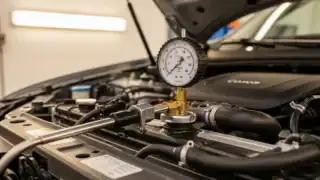
When you bring your European vehicle in, we start with our Snap-On diagnostic equipment to establish whether the pump is genuinely the culprit. Many drivers assume water pump failure when the real issue is a stuck thermostat, blocked radiator, or a failing temperature sensor. We pull live coolant temperature data and flow patterns to confirm the pump’s condition before recommending a replacement.
Once we’ve confirmed the pump needs replacing, we drain the cooling system safely and remove the pump according to the manufacturer’s service procedure. European vehicles often require removal of ancillary components like the timing cover, alternator, or drive belt tensioner to access the pump. We inspect the serpentine belt and tensioner at the same time, as they wear together and replacing them together prevents a second breakdown shortly after.
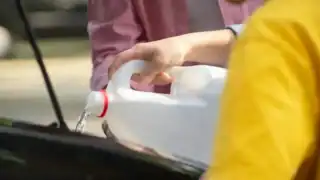
The replacement pump we install is genuine or OEM-spec, not a cheap aftermarket alternative. European manufacturers design their cooling systems with tight tolerances, and a substandard pump can fail within months or cause leaks that damage other components. We fit the new pump with a fresh gasket and O-ring, refill the system with the correct coolant type and concentration, and bleed air from the lines. Many European vehicles require specific coolant formulations to prevent corrosion in aluminium engine blocks, so using the right fluid is non-negotiable.
What Affects the Cost and Time for This Repair?
The price and timeframe depend on a few real-world factors. Some European pumps sit near the front of the engine and take two to three hours to replace. Others sit deeper in the engine bay or behind timing components, which can stretch the job to a full day’s work. Older models with corroded bolts or difficult-to-access mounting points sometimes take longer than newer vehicles with cleaner assembly points.
Parts availability also matters. We stock genuine and OEM-equivalent pumps for most European makes serviced in Mackay, so we’re not held up waiting for overseas freight. If your vehicle is a less common model, lead time might add a day or two, but we’ll give you an honest upfront estimate before we start.
Whether you choose a genuine pump or a quality aftermarket equivalent affects cost as well. We always recommend genuine or OEM-spec parts for European vehicles because the engineering tolerance and durability justify the investment, especially when you factor in labour time and the cost of a second failure.
Why TFD Tyre & Mechanical Is Your Best Choice for European Water Pump Replacement
We’re a family-run workshop with 18 years in the trade, and we’ve worked on plenty of European cooling systems. We own Snap-On diagnostic gear, which means we identify the real fault fast and don’t waste your time or money chasing symptoms. We use genuine and OEM-spec parts, not cheap substitutes that fail early. If you’re not happy with the work, our satisfaction guarantee means we make it right.
Because we’re a one-stop shop for tyres, mechanical work, wheel alignments, and TMR-approved RWC and COI inspections, we can assess your whole vehicle’s health in one visit. If your cooling issue stems from a belt that’s slipping or tyres that are dragging, we spot it and address it together rather than sending you between different shops. We’ve also earned a 4.7 star rating from over 89 five-star reviews, reflecting our commitment to honest service and fair pricing.
We give honest advice and transparent quotes at a fair price. No upselling, no pressure to replace parts you don’t need. If your coolant temperature is running high but the pump is healthy, we’ll tell you and look for the actual cause. Our ARCtick-licensed air conditioning service means we can also check whether a faulty air con compressor is adding extra load to your cooling system.
Next Steps
If you’ve noticed coolant leaks, a rising temperature gauge, or a whining noise from the front of your European vehicle, book your free inspection or call us today. We’ll diagnose the cooling system, confirm whether the water pump is the culprit, and give you a clear quote before any work starts. Addressing a failing water pump early prevents engine overheating and keeps your car reliable on Mackay’s roads.