A radiator that’s failing or clogged won’t just make your European vehicle uncomfortable on a warm day — it’ll push your engine toward serious damage. European vehicles like Volkswagen, Audi, BMW, and Mercedes-Benz rely on precision cooling systems, and when the radiator stops working efficiently, the whole engine suffers. We help drivers across Mackay keep their European vehicle radiators in working order before a complete failure leaves them stranded. Whether you’re seeing temperature warning lights, steam from under the bonnet, or white residue around the radiator connections, an inspection is worth your time.
Signs Your European Vehicle Radiator Needs Attention
Most radiator problems don’t happen overnight. You’ll usually notice warning signs first, and catching them early can save you a breakdown and a much bigger repair bill.
- Dashboard temperature gauge creeping into the red zone, even in cooler weather
- White or green fluid pooling under your car when parked
- Sweet smell coming from the engine bay (coolant has a distinctive odour)
- Visible corrosion, rust, or mineral deposits on the radiator fins or connections
- Engine running hot even at highway speeds with the air-con off
- Overheating shortly after refilling the coolant reservoir
- Cracks or leaks visible in the plastic radiator tank or metal fins
European vehicles, particularly VW and Audi models, sometimes develop coolant leaks at the seals where the plastic tanks meet the metal core. BMW radiators can become internally clogged over time if the coolant hasn’t been flushed regularly. Mercedes models occasionally show thermostat failures that mimic radiator problems. If you’re experiencing any of these symptoms in Mackay, it’s worth getting a proper diagnosis rather than guessing — a faulty thermostat looks like a dead radiator until you actually inspect it.
How We Diagnose and Replace Your European Vehicle Radiator
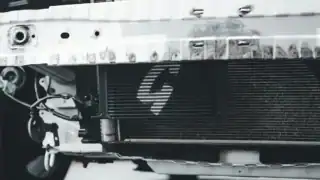
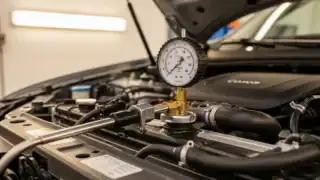
Radiator replacement isn’t complicated in theory, but European vehicles often have tight engine bays and manufacturer-specific mounting points. We start with a full diagnostic check using our latest Snap-On diagnostic equipment to confirm the radiator is actually the problem. We test coolant temperature, check for error codes related to the cooling system, and inspect the radiator itself for leaks, internal blockages, and physical damage.
Once we’ve confirmed the radiator is faulty, we’ll discuss whether to fit a genuine OEM-spec replacement or a quality aftermarket radiator of equivalent performance. For European vehicles, OEM parts carry the exact specifications your engine needs — the fin density, internal passages, and coolant flow rates are engineered specifically for your model’s cooling requirements. We stock genuine and OEM-spec parts, not cheap substitutes, so your cooling system works as the manufacturer intended.
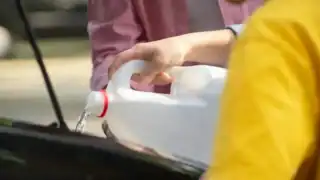
The replacement itself involves draining the old coolant safely, unbolting the radiator from its mounts, disconnecting the hoses and any electrical sensors, and fitting the new unit. For European vehicles, we make sure all connections are torqued correctly and that the fan shroud sits properly — poor fitment here causes airflow problems and early failure. After installation, we refill with the correct coolant type for your vehicle (not all European cars use the same formula), bleed any air from the system, and run a final temperature check to confirm the fix.
What Affects the Cost and Timeframe for European Vehicle Radiator Replacement
Several factors influence what you’ll pay and how long the job takes. The radiator itself varies in price depending on whether it’s OEM or aftermarket, and different European brands have different part costs — a Volkswagen radiator won’t cost the same as an Audi or BMW unit. Engine bay accessibility plays a role too; some models require removing other components to reach the radiator, which adds labour time. If the radiator has been leaking for a while, we may find corrosion or damage to nearby hoses and belts that need attention while we’re in there.
We always give you a transparent quote upfront, explaining what’s included and what the options are. If the old radiator’s hoses are weeping or brittle, we’ll flag that so you can decide whether to replace them now or monitor them. Coolant type is another cost consideration — your European vehicle needs specific coolant to match its engineering, and using the wrong type can cause internal corrosion.
Why Choose TFD Tyre & Mechanical for Your Radiator Work
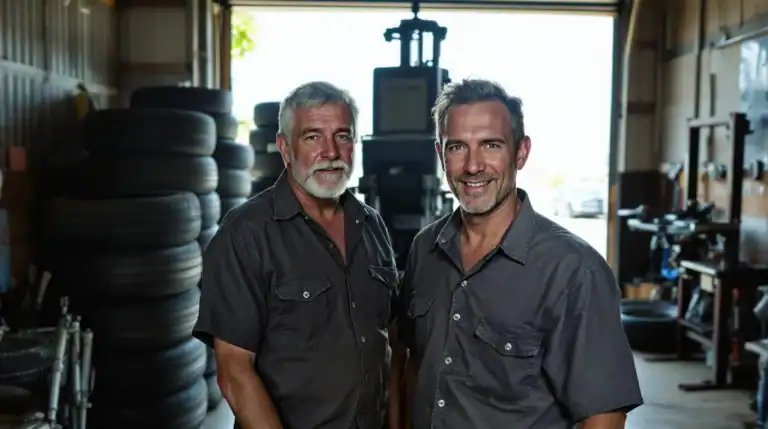
We’re a family-run workshop with 18 years in the trade, and European vehicles are something we see regularly. Our father-and-son team understands the quirks and requirements of VW, Audi, BMW, Mercedes, and other European brands — from their precise cooling system design to their diagnostic protocols. We’ve got the latest Snap-On diagnostic equipment to pinpoint the real problem fast, so you’re not paying for a radiator replacement if the actual issue is a faulty thermostat or a stuck fan clutch.
We’re also a one-stop shop. After your radiator replacement, if you need a wheel alignment check, new tyres, an air-con service, or a roadworthy inspection, you can sort it all here without sending your car between different shops. We’re TMR-approved for RWC and COI inspections, ARCtick licensed for air conditioning work, and we fit quality tyres and carry out full mechanical repairs under one roof. That honesty and convenience are backed by our satisfaction guarantee — if you’re not happy with the work, we make it right. Our customers have rated us 4.7 stars across 89 plus five-star reviews.
Get Your European Vehicle Radiator Inspected in Mackay
If your engine’s running hot or you’ve spotted coolant leaks, don’t ignore it. Book Your Free Inspection online, or Call Us Today to speak with our team. We’ll diagnose the problem accurately and give you a straight answer about what needs to happen next.