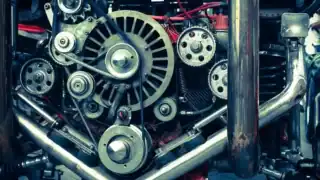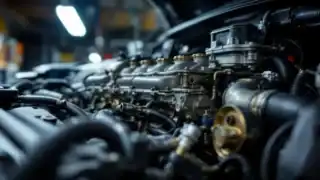
Your Holden’s drive belt is a rubber strip that runs around several pulleys under the bonnet, driving everything from the alternator to the water pump and air conditioning compressor. It’s one of those parts that works quietly in the background until it fails, and when it does, you’re stranded. Holden Drive Belt Replacement in Mackay is a straightforward job when caught early, but ignoring the warning signs can lead to engine overheating, a dead battery, or a breakdown on the side of the road.
Common Warning Signs Your Holden Needs a New Drive Belt
A failing drive belt doesn’t always announce itself with a bang. Most of the time you’ll notice smaller clues that tell you it’s time to act. Listen for a squealing noise from the engine bay, especially when you start the car on a cold morning or accelerate hard. That squeal means the belt is slipping on the pulleys because it’s lost grip.
Other signs include visible cracks, fraying, or glazing on the belt surface when you peek under the bonnet. If the belt looks shiny and smooth rather than textured, friction has worn it down and replacement is due. Some Holdens will show a warning light on the dashboard if the alternator isn’t charging properly because a worn belt isn’t turning the pulley fast enough. You might also notice the engine running hotter than usual or the air conditioning losing cooling power mid-drive, both caused by a slack belt that can’t spin the water pump or AC compressor efficiently.
When Should You Replace a Holden Drive Belt?
Holden’s service schedules vary by model and year. Older Commodores and Captivas typically recommend belt replacement every 60,000 to 100,000 kilometres, though many owners stretch that interval. If you’ve owned your Holden for several years and can’t recall the last belt change, it’s worth having us inspect it. We use our Snap-On diagnostic equipment and a visual inspection to check belt condition, tension, and pulley wear. A belt that looks tired at 80,000 km is better replaced before it breaks than ignored and hoped for.
Don’t wait for the belt to snap. A broken drive belt leaves you with no alternator charging, no water pump circulation, and no power steering or air conditioning. On a hot Mackay day, an overheating engine can cause serious damage in minutes.
What Happens During a Holden Drive Belt Replacement
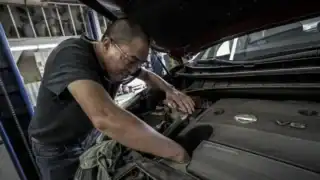
We start by removing any covers and components blocking access to the belt. On most Holdens, that means removing the radiator fan shroud and possibly the air intake hose. Next, we release tension on the belt by loosening the alternator or tensioner bolt, slide out the old belt, and inspect all the pulleys it ran on. A worn pulley can shred a new belt just as quickly as a bad old one, so we check for cracks, uneven wear, or wobbling.
We fit a genuine Holden or OEM-equivalent replacement belt, route it correctly around every pulley (it’s easy to misroute and cause noise), then tension it to Holden’s specification. Too loose and it slips; too tight and it wears out fast. We check the tension with a pressure gauge to get it right the first time.
Finally, we start the engine, listen for any squealing, and run a short test drive. A properly fitted belt should be silent and smooth.
What Affects the Cost and Time for Holden Belt Replacement
The replacement itself is usually a one to two hour job, depending on your Holden model and how many other components are blocking access. Some older Commodores are straightforward; newer models sometimes require more dismantling. Parts availability is rarely an issue because drive belts are standard items we stock or can source quickly.
Cost depends on whether you choose a genuine Holden belt or an OEM-equivalent part that meets the same specification. Both are reliable; the difference is mainly in price and warranty. If we spot pulley wear or a failing tensioner during the job, replacing those at the same time makes sense because you’re already in there. Doing it piecemeal later costs more in labour and inconvenience.
Why Holden Owners in Mackay Trust TFD Tyre & Mechanical for Drive Belt Replacement
We’re a family-run, independent workshop with 18 years in the trade. We don’t sell you parts you don’t need, and we explain what we find before we fix it. When we inspect your Holden’s belt, we use our latest Snap-On diagnostic equipment and visual checks to tell you exactly what’s wrong and what it’ll cost, upfront and honestly.
We stock genuine and OEM-spec parts, not cheap substitutes that fail early. Your Holden deserves parts that match factory standards. We also offer a satisfaction guarantee: if you’re not happy with the work, we make it right. You’re not just getting a belt swap; you’re getting honest advice from mechanics who’ve been doing this since before many of today’s Holdens rolled off the production line.
As a one-stop shop in Mackay, TFD Tyre & Mechanical handles your full vehicle needs. While we’re replacing your belt, we can check your tyres, alignment, air conditioning, or arrange a roadworthy inspection if you need one. We’re TMR-approved for RWC and COI inspections, ARCtick-licensed for air conditioning work, and equipped to handle everything from tyre sales and fitting to wheel alignments and logbook servicing. No running between shops.
Next Steps for Your Holden
If you’ve heard squealing from your engine, noticed a warning light, or simply want to know whether your drive belt is due, book your free inspection with us. We’ll take a look, explain what we find, and give you a transparent quote. Call Us Today or Book Your Free Inspection online, and we’ll get your Holden’s belt sorted in Mackay.