Family-Run & Trusted
Genuine & OEM Parts
5★ Reviews
Satisfaction Guaranteed

Verified 5★ Reviews

Industry Leading Jeep Drive Belt Replacement In Mackay

Your Jeep's drive belt is critical to engine performance. We replace worn or damaged belts with genuine parts and get you back on the road fast.

Expert Diagnostics

Honest Advice

5★ Reviews

Jeep Belt Expertise

Book Your Free Inspection

Fill in the form and we'll get back to you shortly. No obligation.

Booking Form
  • Vehicle Details
  • Confirm Vehicle
  • Services
  • Contact Details
Transparent Quotes
Quality Parts Used
Satisfaction Guarantee

Why Book With Us

Book Your Free Inspection
Drop Off Your Car
We Get to Work
Back on the Road

Your Jeep’s drive belt is one of those components that keeps everything running smoothly, yet most owners don’t think about it until something goes wrong. This rubber belt drives critical systems—your alternator, water pump, power steering pump, and air conditioning compressor—all from a single loop around your engine. When a Jeep drive belt replacement becomes necessary, it’s because the belt has worn out, cracked, or started to slip, leaving you at risk of losing power steering, losing charge to your battery, or worse, overheating on the road. In Mackay’s heat, a failing drive belt can turn a routine commute into a breakdown. We use Snap-On diagnostic equipment to inspect belt condition accurately and recommend replacement before failure, not after it leaves you stranded.

Warning Signs Your Jeep Needs Drive Belt Replacement

Drive belts don’t fail without warning if you know what to listen and look for. The most obvious sign is a squealing noise from the engine bay, especially when you first start the vehicle or when you’re turning the steering wheel hard. This squeal means the belt is slipping on its pulleys because it’s lost grip—usually because the rubber has hardened or become glazed over time. You might also notice the squeal gets worse in cold weather or damp conditions, which is typical behaviour for a worn belt losing elasticity.

Other symptoms include:

  • Visible cracks, splits, or fraying on the belt surface when you open the bonnet
  • A burning smell from under the bonnet, caused by friction as the belt slips
  • Loss of power steering assist, making the wheel suddenly harder to turn
  • Battery warning light on your dashboard, indicating the alternator isn’t charging properly
  • Engine overheating, because the water pump (driven by the belt) isn’t circulating coolant effectively
  • Air conditioning failing or blowing warm air instead of cold

Jeep drive belt replacement isn’t something that can wait. Unlike some wear items, a failed belt doesn’t just inconvenience you—it can lead to secondary damage. If your alternator stops charging, your battery drains and you’re stuck. If the water pump stops, your engine overheats within minutes. We recommend inspecting your belt every service and replacing it every 40,000 to 60,000 kilometres, depending on your driving conditions and the specific Jeep model you own. Many Jeep owners in Mackay drive in hot, dusty conditions, which accelerates belt deterioration.

What We Do When Replacing Your Jeep Drive Belt

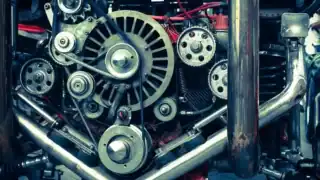
Jeep drive belt replacement starts with a full inspection of the belt and the pulleys it runs over. We look for uneven wear patterns, which can indicate misalignment or pulley problems that need addressing at the same time. Using our Snap-On diagnostic tools, we measure belt tension and check each pulley for wobble or bearing wear. If a pulley is damaged, replacing the belt alone won’t solve the problem—the new belt will fail quickly on a worn pulley.

We then remove the old belt carefully, noting its routing around the pulleys. On Jeeps, belt routing can be complex, so we photograph it or reference the routing diagram specific to your model before removal. Next, we install a genuine or OEM-spec belt matched to your exact Jeep specifications. We don’t use cheap substitutes—the belt is a critical component, and a budget option that stretches or glazes prematurely will bring you back sooner. Once fitted, we adjust tension to Jeep’s specifications and run the engine to confirm the belt is tracking straight and running quietly. A properly installed belt should run silent; if you hear noise after we’ve finished, we investigate and correct it.

On some Jeep models, the serpentine drive belt also passes through a tensioner or idler pulley. If those components show wear or play, we recommend replacing them at the same time. It’s more cost-effective to do it all at once than to have you back in six months because the tensioner failed and damaged the new belt. This is particularly important for Jeep owners, as tensioner failure is a known issue on certain model years and can compound the expense if left unaddressed.

Cost and Turnaround for Jeep Engine Drive Belt Replacement in Mackay

Several factors affect the price and time required for your Jeep drive belt replacement. The complexity of access varies significantly between Jeep models—some belts are straightforward to reach, while others require removing other components first. Your specific model and engine type determine the belt size, cost, and labour involved.

Parts availability matters too. Genuine Jeep belts are readily available in Mackay, so you won’t face delays waiting for stock from interstate. Aftermarket OEM-spec alternatives are also quick to source. If we discover worn pulleys or a faulty tensioner during inspection, the job scope increases, but we’ll show you the findings and discuss options before proceeding. We’re transparent about costs—you’ll get a clear quote before work starts, and you won’t face surprise charges.

Turnaround is typically quick for a straightforward belt replacement, though if additional pulley or tensioner work is needed, it may take longer. We’ll give you an honest timeframe based on your specific vehicle. Unlike chain-store operators, we don’t rush jobs or cut corners to move vehicles through faster—your Jeep’s reliability is what matters.

Why Choose TFD Tyre & Mechanical for Your Jeep Drive Belt Replacement

We’re a family-run workshop with 18 years in the trade, and we service Jeeps regularly across Mackay and the surrounding area. Our Snap-On diagnostic equipment lets us inspect your belt condition accurately and identify problems before they cause breakdowns. We fit genuine and OEM-spec parts, not cheap substitutes that fail prematurely. We’re also a one-stop shop—if your belt replacement reveals other issues like alternator or pulley problems, we can often address them on site rather than sending you elsewhere.

We hold full vehicle diagnostics capabilities, tyre sales and fitting, wheel alignments, and TMR-approved RWC and COI inspections all under one roof. We’re ARCtick-licensed for air conditioning work, so if your air conditioning compressor needs attention at the same time as your belt, we can handle it immediately. Our satisfaction guarantee means if you’re not happy with the work, we make it right. We stand behind every job, and we treat your Jeep as we’d treat our own. With 4.7 stars from over 89 five-star reviews, you can trust that other Jeep owners in Mackay have had the same positive experience.

Get Your Jeep Drive Belt Inspected Today

If you’ve noticed squealing, visible belt damage, or loss of power steering, don’t delay. A failing drive belt can leave you stranded, and the longer you wait, the higher the risk of secondary damage. Call Us Today or Book Your Free Inspection online to have your Jeep’s belt assessed by our experienced team in Mackay. We’ll give you honest advice and a transparent quote, and we’ll get you back on the road safely.
Honest Mechanics Mackay Drivers Rely On

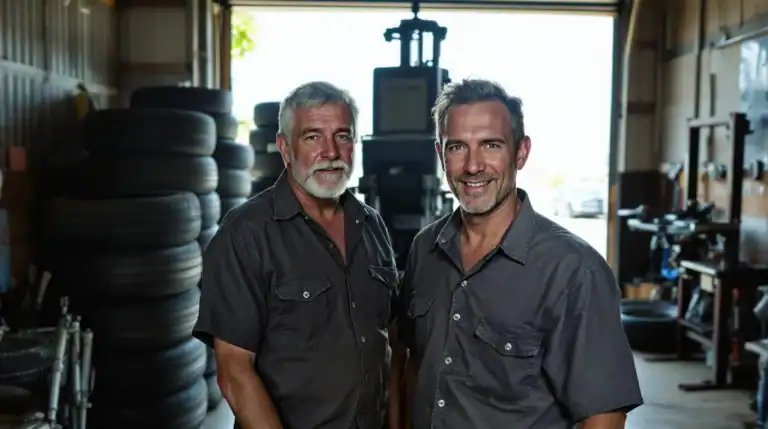
Family-run by Mark and Elijah with 18 years in the trade, we give you straight answers, fair prices, and quality parts — not the runaround.

Honest, Upfront Quotes

You’ll know exactly what’s needed and what it costs before we touch your car.

Latest Snap-On Diagnostics

Bring your vehicle in and we’ll assess it and give you a clear, honest quote upfront.

Genuine Jeep OEM Parts

We source genuine Jeep belts matched to your model for reliable performance.

How Jeep Drive Belt Replacement Works

We inspect, replace, and test your Jeep drive belt with precision to keep your engine running smoothly.

Step 1

Book Your Free Inspection

Book your free inspection to assess your Jeep drive belt condition and understand what repair is needed.

Step 2

Drive Belt Inspection

We examine your Jeep's belt for wear, cracks, and glazing to confirm replacement is required.

Step 3

Belt Replacement

We install an OEM-spec replacement belt and tension it to Jeep manufacturer specifications.

Step 4

Test and Collection

We test the new belt operation and return your Jeep roadworthy and ready to drive.

Rated 4.7 Stars by Our Customers

Verified 5★ Reviews

Quality Parts From Trusted Suppliers

We fit genuine and OEM-spec parts sourced from reputable suppliers. No cheap substitutes - just quality components that do the job properly.

Book Your Free Inspection

Fill in the form and we'll get back to you shortly. No obligation.

Booking Form
  • Vehicle Details
  • Confirm Vehicle
  • Services
  • Contact Details
Transparent Quotes
Quality Parts Used
Satisfaction Guarantee

Why Book With Us

Book Your Free Inspection
Drop Off Your Car
We Get to Work
Back on the Road

Got Questions? We Have Answers

Browse the questions below for quick answers about our services. If yours isn't listed, give us a call and we'll sort you out.

Your Jeep’s drive belt (also called a serpentine belt) drives multiple engine components like the alternator, water pump, and power steering pump. Over time, the belt cracks, frays, or glazes and loses grip. Replacing it before it breaks prevents sudden engine failure and keeps your vehicle running reliably. We inspect the belt during routine services and replace it when wear becomes visible.

Most Jeep models need belt replacement every 60,000 to 100,000 kilometres or every 5 to 7 years, whichever comes first. Some newer Jeeps may go longer between replacements. We’ll check your logbook and inspect the belt during each service to spot wear early. Regular inspection catches problems before they leave you stranded and helps you plan maintenance around your schedule.

Watch for squealing noises from the engine, especially on cold starts or when turning the steering wheel. You might also notice visible cracks, fraying, or a glazed appearance on the belt itself if you look under the bonnet. Loss of power steering assistance or dimming headlights can signal belt slippage. If you spot any of these, bring it in for an inspection. Waiting too long risks the belt snapping while you’re driving.

Replacement typically takes one to two hours, depending on your Jeep model and how the belt is positioned relative to other engine components. We’ll give you a clear timeframe when you book. Most replacements can be completed while you wait, though you’re welcome to drop off your vehicle and grab a coffee in Mackay while we work.

Australian consumer law generally supports independent servicing without affecting manufacturer warranty, provided the work is done to proper standards by qualified mechanics. For specific warranty terms and conditions, check your Jeep paperwork or contact your dealer directly. We use genuine and OEM-spec parts and follow manufacturer service schedules, so your warranty protection is maintained. If you’re uncertain about your circumstances, it’s worth confirming with your dealer before booking.

We use genuine Jeep and OEM-equivalent parts that meet or exceed manufacturer specifications. Genuine parts are engineered to fit and perform properly on your specific Jeep model, reducing the risk of premature wear or compatibility issues. We never cut corners with cheap substitutes. You’ll receive a transparent quote that clearly shows which parts we’re fitting, so you know exactly what you’re getting.

If your belt snaps while driving, the alternator stops charging, power steering and power brakes become harder to operate, and the engine can overheat because the water pump stops working. On some Jeep models, a broken belt can also cause interference between the pistons and valves, leading to serious internal engine damage. This is why we recommend replacing belts as soon as wear is detected rather than waiting for failure. Prevention is far cheaper than repair.

We’ll start with a full diagnostic inspection to check belt condition and look for related issues like pulley wear or coolant leaks. We’ll explain our findings and give you a transparent quote before starting work. During replacement, we remove the old belt, inspect pulleys and tensioners, and fit the new belt to manufacturer specifications. We’ll top up coolant and check alternator output to make sure everything’s working properly.

A fraying belt will eventually snap, and a squealing belt often means it’s losing grip on the pulleys. Driving on either one is risky. If the belt fails completely, you lose power steering, your engine overheats, and the alternator stops charging, leaving you stranded. We recommend booking a replacement as soon as you hear squealing or spot visible damage. It’s a straightforward service and much safer than waiting for failure on the road.

The drive belt (serpentine belt) powers external engine components like the alternator and water pump. A timing belt controls the timing of your engine’s internal valve openings. Most Jeeps use a timing chain rather than a belt, which lasts much longer. The drive belt is the one we replace during routine maintenance. Both are critical, but they serve different functions and replacement intervals vary.

Yes, we’ll stamp your logbook when we complete the service to record the replacement. This is important for maintaining your service history and helps protect your warranty. If you’re following a manufacturer service schedule, bring your logbook with you, and we’ll update it along with any other work completed. Keeping detailed service records also helps us track patterns and give you better maintenance advice over time.

If your belt breaks while driving, pull over safely and turn off the engine. Do not try to restart it repeatedly, as you may cause further damage. Call for roadside assistance or arrange a tow to a mechanic. Avoid driving the vehicle yourself. Once we inspect it, we’ll assess whether the belt simply needs replacing or if the break caused additional damage to pulleys, tensioners, or the engine itself. Bring it in as soon as possible.

Continue to site