Family-Run & Trusted
Genuine & OEM Parts
5★ Reviews
Satisfaction Guaranteed

Verified 5★ Reviews

Certified Hyundai Car Repair In Mackay

TFD Tyre & Mechanical services and repairs Hyundai vehicles in Mackay using factory-spec parts and advanced diagnostics. Get honest advice and transparent quotes in one visit.

Expert Diagnostics

Honest Advice

5★ Reviews

Hyundai Diagnostic Precision

Book Your Free Inspection

Fill in the form and we'll get back to you shortly. No obligation.

Booking Form
  • Vehicle Details
  • Confirm Vehicle
  • Services
  • Contact Details
Transparent Quotes
Quality Parts Used
Satisfaction Guarantee

Why Book With Us

Book Your Free Inspection
Drop Off Your Car
We Get to Work
Back on the Road

Hyundai car repair in Mackay requires a clear understanding of what your vehicle needs and why. Whether you’re facing warning lights on the dash, noticing unusual noises, or simply keeping up with scheduled maintenance, professional diagnosis and repair can save you time, money, and frustration. We work on Hyundai vehicles every week — from new i30s and Elantras to Tucson SUVs and Ioniq hybrids — and we’ve seen the full range of issues that owners encounter across the Mackay region.

Common Hyundai Problems and Warning Signs

Hyundai engines and transmissions are generally reliable, but they’re not immune to wear and failure. Some issues crop up more often than others, and catching them early can prevent an expensive breakdown.

  • Engine warning lights (check engine light, service soon, or fault codes) that need proper diagnosis rather than guesswork
  • Transmission hesitation, rough shifting, or warning lights related to automatic gearbox function
  • Brake noise, reduced pedal feel, or warning lights indicating pad wear or fluid issues
  • Air conditioning not cooling as it should, or making odd sounds when switched on
  • Suspension noises over bumps, uneven tyre wear, or steering that feels loose or unresponsive
  • Electrical gremlins such as intermittent dashboard warnings, window or lock failures, or battery drain
  • Cooling system overheating, temperature gauge climbing, or visible leaks under the vehicle

If you’re experiencing any of these symptoms, the first step is getting a proper inspection. Hyundai vehicles have specific diagnostic requirements, and our Snap-On diagnostic equipment is calibrated to read Hyundai fault codes accurately. That means we find the real problem fast, not just the symptom.

How We Diagnose and Repair Your Hyundai

Our approach to Hyundai car repair starts with listening to you. We ask questions about when the problem started, what you’ve noticed, and how the vehicle is behaving. Then we connect our diagnostic equipment to your Hyundai’s engine control unit and read the fault codes stored in the system.

From there, we perform a physical inspection of the relevant systems. If it’s an electrical issue, we test circuits and connectors. If it’s mechanical, we inspect wear, measure tolerances, and check fluid levels and condition. For transmission concerns, we review the shift history and pressure readings. This hands-on verification prevents us from replacing parts that don’t need replacing — a common trap in the auto repair industry.

Once we’ve identified the fault, we provide you with a transparent quote that lays out exactly what we’re doing and why. We source genuine Hyundai parts or OEM-specification equivalents, never cheap aftermarket substitutes that fail early and create more headaches down the track. When it comes to logbook servicing, we follow Hyundai’s recommended intervals and fluid specifications to the letter, so your warranty stays intact and your vehicle stays protected.

What Affects the Cost and Timeline

Hyundai repair costs depend on several factors. The nature of the fault matters most — some issues require component replacement, while others are solved through adjustment, cleaning, or fluid top-ups. Parts availability also plays a role. Genuine Hyundai parts are usually in stock or arrive within a few days, but if we need to source something specific, you’ll know upfront and we’ll keep you posted.

Vehicle age and mileage affect the scope of work too. A 2023 i30 with a transmission fault will likely be faster to diagnose and repair than a 2015 Tucson with multiple wear-related issues affecting brakes, suspension, and cooling simultaneously. We’re honest about complexity — if a job will take longer than a quick turnaround, we’ll tell you so you can plan accordingly.

We don’t pressure you into work you don’t need. If we find something that’s not urgent, we’ll explain the risk and let you decide when to address it. Our satisfaction guarantee means if you’re not happy with the repair, we’ll make it right.

Why Hyundai Owners Choose TFD Tyre & Mechanical for Car Repair in Mackay

We’re a family-run workshop — father and son with 18 years in the trade — and our reputation rests on honest advice and quality work at a fair price. That’s not marketing speak; it’s how we operate every day.

Our latest Snap-On diagnostic equipment is built for accuracy. We invest in tools that find faults correctly the first time, which means fewer return visits and fewer surprises on your bill. We use genuine and OEM-specification parts, not cheap substitutes that fail early and cost you more in the long run.

We’re also a genuine one-stop shop for Hyundai auto repair. If your Hyundai needs a brake inspection and new tyres, wheel alignment, or an air conditioning regas, you don’t have to drive between a tyre place, a mechanic, and an inspection station. Everything happens here — mechanical work, tyre sales and fitting, full vehicle diagnostics, wheel alignments, TMR-approved roadworthy inspections, and ARCtick-licensed air conditioning service. That convenience saves you time and money, whether you’re in central Mackay or the surrounding areas.

Book Your Free Inspection

If your Hyundai needs attention, call us today or book your free inspection online. We’ll get it sorted properly, with no surprises.

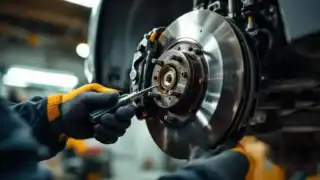
Honest Mechanics Mackay Drivers Rely On

Family-run by Mark and Elijah with 18 years in the trade, we give you straight answers, fair prices, and quality parts — not the runaround.

Honest, Upfront Quotes

You’ll know exactly what’s needed and what it costs before we touch your car.

Latest Snap-On Diagnostics

Bring your vehicle in and we’ll assess it and give you a clear, honest quote upfront.

Hyundai Parts & Tooling

We source genuine Hyundai parts and use manufacturer-spec equipment for accurate repairs.

How Hyundai Car Repair Works

From diagnosis to handover, we walk you through our straightforward repair process for your Hyundai.

Step 1

Book Your Free Inspection

Book your free inspection to describe your Hyundai's issue and get a clear diagnosis.

Step 2

Hyundai Diagnostic Scan

We run a full diagnostic scan using Snap-On equipment to pinpoint faults and identify the root cause.

Step 3

Precision Repair Work

We repair using genuine OEM-spec parts and Hyundai service procedures for lasting reliability.

Step 4

Quality Check & Collection

We verify all work, test your Hyundai, and hand it back ready for the road.

Rated 4.7 Stars by Our Customers

Verified 5★ Reviews

Quality Parts From Trusted Suppliers

We fit genuine and OEM-spec parts sourced from reputable suppliers. No cheap substitutes - just quality components that do the job properly.

Book Your Free Inspection

Fill in the form and we'll get back to you shortly. No obligation.

Booking Form
  • Vehicle Details
  • Confirm Vehicle
  • Services
  • Contact Details
Transparent Quotes
Quality Parts Used
Satisfaction Guarantee

Why Book With Us

Book Your Free Inspection
Drop Off Your Car
We Get to Work
Back on the Road

Got Questions? We Have Answers

Browse the questions below for quick answers about our services. If yours isn't listed, give us a call and we'll sort you out.

Yes. Under Australian Consumer Law and ACCC guidance, you can have your Hyundai serviced by a qualified independent mechanic without affecting your manufacturer warranty, provided the work is done to the required standard and you keep service records. We use genuine Hyundai parts and follow Hyundai service schedules. We recommend checking your specific warranty documents or contacting Hyundai directly if you have concerns, but independent servicing is a recognised right for Australian vehicle owners.

Ignoring warning signs can turn a small, inexpensive fix into a major repair. For example, a worn brake pad caught early costs far less than replacing damaged rotors and pads together. Electrical issues, suspension problems, or engine noises can worsen quickly and affect your safety. We recommend getting unusual sounds, warning lights, or changes in handling checked promptly. Early diagnosis with our diagnostic equipment often saves you money and keeps you safe on the road.

Most Hyundais follow a service schedule of every 10,000 kilometres or 6 months, whichever comes first. However, this can vary depending on your model year, driving conditions, and whether you’re doing mostly highway or city driving. Check your owner’s manual or logbook for the exact interval for your vehicle. Regular servicing keeps your warranty valid, maintains fuel efficiency, and catches problems early before they become expensive.

When you bring your Hyundai in, we start with a thorough diagnostic inspection to identify the exact fault. We’ll explain what we’ve found and give you a transparent quote before starting any work. Once you approve, we perform the repair using genuine Hyundai or OEM-spec parts, test the vehicle to confirm the issue is resolved, and walk you through what was done. You’ll know exactly what happened and why before you leave.

Some Hyundai models experience wear patterns with timing chain tensioners, transmission solenoid issues, and certain electrical glitches in infotainment systems depending on the model and year. We see these regularly and know how to diagnose and repair them efficiently. Your specific Hyundai’s vulnerability depends on its age and model. Regular servicing and prompt attention to warning lights help prevent many of these issues from becoming costly failures.

It depends on what needs fixing. Simple tasks like brake pad replacement or fluid changes typically take 1-2 hours. More involved work like suspension repairs or engine diagnostics can take longer. We’ll give you a realistic timeframe when we assess your vehicle. Some repairs we complete same-day; others may take 2-3 days if we need to order parts. We’ll keep you updated throughout so you’re never left guessing.

Several factors influence repair costs: the specific issue, whether parts need replacing, your vehicle’s age and condition, and labour time required. Simple services like filter changes cost less than complex engine work. Using genuine Hyundai parts costs more than generic alternatives, but we believe it’s worth it for reliability and warranty protection. We always provide a detailed quote before starting work so you understand exactly what you’re paying for and why.

Warning signs include squealing or grinding noises, soft or spongy brake pedal, longer stopping distances, or a vibration when braking. If your brake warning light appears on the dashboard, have it checked immediately as brakes affect your safety. Most brake pads wear gradually over time depending on your driving habits. We recommend having your brakes inspected annually as part of preventive maintenance to catch wear early before it damages rotors or other components.

Absolutely. We’re experienced with servicing Hyundais under warranty. Independent mechanics can legally service warranty vehicles in Australia without voiding cover, as long as the work meets manufacturer standards and is properly documented. We keep detailed service records and use genuine or equivalent parts that satisfy Hyundai requirements. If you’re concerned about any specific aspect of your warranty, we’re happy to discuss it before work begins.

Servicing is preventive maintenance like changing oil, filters, and fluids on a schedule to keep your Hyundai running smoothly and maintain warranty compliance. Repair addresses problems that have already developed, from worn brakes to engine faults. Regular servicing reduces the need for repairs by catching issues early. We recommend following your Hyundai’s logbook schedule for servicing, then handling repairs as they arise. Both are important for your vehicle’s longevity and safety.

Continue to site