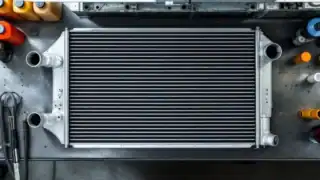
Land Rover car air conditioning keeps your cabin comfortable in Australia’s heat, but it also plays a role in demisting windows and maintaining cabin air quality. When your Land Rover’s AC stops blowing cold, or when it’s working harder than usual to cool the cabin, you need a proper diagnosis to pinpoint the fault. At TFD Tyre & Mechanical in Mackay, we use Snap-On diagnostic equipment to identify the real problem fast, whether it’s a refrigerant leak, compressor failure, or an electrical issue. Many Land Rover owners wait until summer to discover their air con isn’t working, but catching problems early avoids breakdown risk and keeps repair costs manageable.
Signs Your Land Rover Air Conditioning Needs Attention
Land Rover air conditioning faults usually announce themselves clearly. If the AC blows warm air even when the compressor is engaged, refrigerant has likely escaped through a leak in the system. A hissing or bubbling sound near the compressor suggests moisture or contamination inside the circuit. If the compressor cycles on and off rapidly without cooling the cabin, the system is struggling to maintain pressure, often because refrigerant is low.
Other warning signs include a grinding or squealing noise from the compressor clutch, foul or musty smells from the vents, or visible oil stains around AC fittings under the bonnet. Some Land Rover owners notice the AC works only when driving fast or at idle, which points to electrical or pressure-sensing problems. Condensation pooling on the floor after driving also indicates the drain line is blocked, a common issue in tropical climates like Mackay where humidity is high.
How We Diagnose and Service Land Rover Air Conditioning
We start by connecting our Snap-On diagnostic equipment to your Land Rover’s climate control module. This tells us exactly what the system is detecting: compressor pressure, refrigerant temperature, electrical signals from sensors, and fault codes stored in the ECU. Many AC problems leave digital footprints before they become obvious.
Once we understand what the diagnostics reveal, we visually inspect the compressor, condenser, evaporator, and all hoses and fittings for leaks, damage, or corrosion. Land Rover’s compact engine bays mean some components are tight to access, but our technicians know the layout. We check the compressor clutch for wear and test the electrical inputs that control it. If refrigerant is low, we use a leak detector to find where it’s escaping, because simply topping up without fixing the source leaves you back in the same spot within weeks.
If the AC needs service, we recover the old refrigerant responsibly, flush the system to remove moisture and debris, replace the receiver drier or accumulator (depending on your Land Rover model), and recharge with the correct specification refrigerant and oil. Land Rover vehicles use specific refrigerant types; newer models often use HFO-1234yf rather than the older R134a. We use genuine or OEM-spec parts because cheap replacements can leak prematurely or fail under the pressure and temperature cycling an air con system endures.
What Affects Cost and Repair Time for Land Rover AC Work
A simple refrigerant top-up is quick and affordable. A leak repair ranges from tightening a fitting to replacing a hose or compressor, depending on where the problem is. Compressor replacement takes longer and costs more because the component itself is expensive and the labour involves removing belts, pulleys, and sometimes other engine components to access it.
Availability of parts for Land Rover models varies. Popular models like the Discovery and Range Rover have good parts supply in Australia, so we can usually source genuine or equivalent components quickly. Less common models or older vehicles might require longer lead times. We always give you a transparent quote before starting work, so you know what the repair will cost and roughly how long it will take.
The type of repair also matters. A blocked drain line might take an hour to clear. A compressor clutch replacement takes half a day. A full system flush and recharge, including parts, can take most of a day. We’re honest about time estimates because we know downtime costs you money, especially if you’re relying on your Land Rover to get around Mackay for work or family commitments.
Why TFD Tyre & Mechanical Handles Land Rover Air Conditioning the Right Way
We’re an ARCtick-licensed air conditioning workshop, which means we’re qualified and legal to work with refrigerant systems. Many independent mechanics aren’t licensed for AC work, which is why some workshop owners refer AC jobs out. We do the work here, under one roof, with our own equipment and technicians who know the job inside out.
Our Snap-On diagnostic gear is professional-grade equipment. It reads your Land Rover’s climate control module, pulls fault codes, and logs live data so we see what’s really happening. This beats guesswork and saves you money by identifying the actual fault, not just the most expensive possible repair.
We use genuine and OEM-spec refrigerants and components for Land Rover AC service. Cheap aftermarket compressors and hoses fail prematurely, especially under the heat and pressure an AC system experiences. As a family-run workshop with 18 years in the trade, we’re built on honest advice and fair pricing, not pushing unnecessary work. If your Land Rover’s AC needs a simple fix, we’ll tell you so. If it needs a bigger repair, we’ll explain why and show you the options.
We’re also a one-stop shop. If your AC repair uncovers other issues, or if you need tyres, wheel alignments, or an RWC inspection while you’re here, we handle it all. You don’t get shuttled between a tyre place, a mechanic, and an inspection station. Our 4.7-star rating from over 89 reviews reflects the standard of service and transparency our customers expect and receive.
Book Your Land Rover Air Conditioning Service in Mackay
If your Land Rover’s air con isn’t working as it should, Call Us Today or Book Your Free Inspection online. We’ll diagnose the fault accurately and give you a fair quote before we start.