A Volkswagen oil change is one of the most straightforward services you can give your car, yet it’s also one of the most important for keeping your engine running smoothly and reliably. Your engine oil does far more than just lubricate moving parts—it cools the engine, carries away contaminants, and protects against corrosion and wear. Over time, oil breaks down from heat and oxidation, losing its protective properties and becoming less effective at keeping your engine in good condition. Whether you’re running a Golf, Polo, Passat, or any other Volkswagen model in Mackay, staying on top of regular oil changes is the foundation of engine health and longevity.
Why Volkswagen Oil Change Intervals Matter
Volkswagen vehicles come with manufacturer-specific service schedules, and oil change intervals vary depending on your model, engine type, and whether you’re following the logbook servicing requirements. Modern Volkswagens often recommend oil changes between 10,000 and 15,000 kilometres, though some newer models with advanced engines may extend this further. The key is following your vehicle’s service schedule—not just guessing based on gut feeling or what you heard from a friend. Sticking to the correct intervals keeps your warranty intact, maintains engine performance, and avoids the expensive damage that comes from running on degraded oil. If you’re unsure what your Volkswagen actually needs, we can check your service book and explain exactly where you sit in the maintenance cycle.
Signs Your Volkswagen Needs an Oil Change
While your service schedule is your primary guide, some warning signs tell you an oil change might be overdue or something else needs attention:
- Dark or milky-coloured oil on the dipstick (fresh oil is amber or light brown)
- An oil warning light illuminated on your dashboard
- Engine noise or knocking sounds that weren’t there before
- A burning smell when driving or a strong odour from the engine bay
- Sluggish acceleration or a slight loss in engine responsiveness
- Increased fuel consumption without obvious cause
Don’t ignore these signs. Dirty or low oil can lead to serious engine wear, and catching the problem early is far cheaper than dealing with engine damage later.
What Happens During Your Volkswagen Oil Change
Our process for a Volkswagen oil change is straightforward and thorough. We start by warming your engine slightly so the old oil flows freely and any contaminants drain effectively. We then locate and remove your oil drain plug, letting the old oil drain completely into a collection tank. Next, we replace the oil filter with a genuine or OEM-equivalent filter matched to your specific Volkswagen model—this is important because Volkswagens have different filter specifications depending on engine type and year. We then refill your engine with the correct grade and volume of fresh oil as specified in your service manual.
Once the new oil is in, we check the level using your dipstick or electronic system (depending on your model), start the engine to circulate the new oil through the system, and let it run briefly so the new filter fills with oil. We then recheck the level and top up if needed. Finally, we reset your service reminder if your vehicle has one. Throughout the process, we’re also visually inspecting under the bonnet for any obvious leaks, loose hoses, or other issues that might need attention soon.
Oil Grade and Genuine Parts for Volkswagen Vehicles
Volkswagen has specific requirements for engine oil viscosity and performance standards—using the wrong grade can affect engine efficiency, fuel consumption, and even performance. We use genuine Volkswagen oil or OEM-equivalent products that meet your vehicle’s exact specifications, not cheap substitutes that might save a few dollars upfront but compromise protection. The same applies to your oil filter: a genuine filter keeps contaminants out more effectively and lasts longer than a budget alternative. We stock the right parts for your Volkswagen on site, so you’re not waiting around or paying extra for delayed delivery.
Cost and Time for a Volkswagen Oil Change in Mackay
A straightforward Volkswagen oil change typically takes 30 to 45 minutes depending on your vehicle’s layout and whether any other issues are spotted during the service. Cost depends mainly on which model you own, the oil type required (synthetic versus mineral), and whether you choose genuine Volkswagen parts or quality aftermarket equivalents that meet OEM standards. We always provide a transparent quote before we start work, so you know exactly what you’re paying and why. If during the service we spot something that needs attention—a worn hose, a slow leak, or a damaged filter housing—we’ll flag it clearly and let you decide whether to address it now or later.
Why Choose TFD Tyre & Mechanical for Your Volkswagen Oil Change
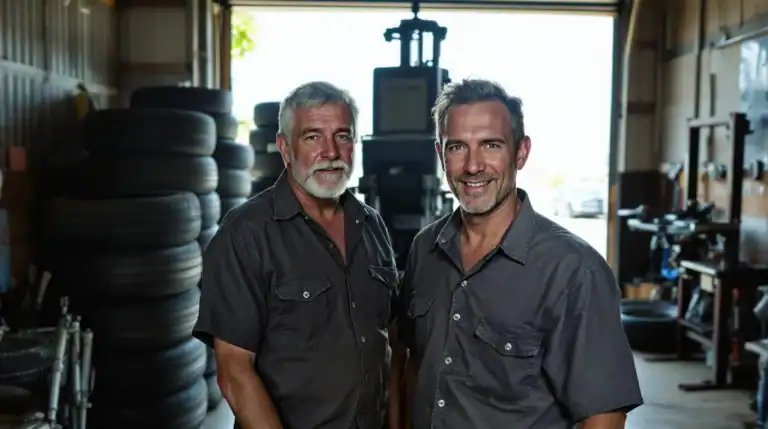
We’re a family-run workshop with 18 years in the trade, and we’ve serviced countless Volkswagens throughout Mackay and the surrounding area. We use Snap-On diagnostic equipment to identify any underlying issues quickly and accurately, so a simple oil change doesn’t mask a bigger problem you should know about. Our satisfaction guarantee means if you’re not happy with the work, we make it right—no hassle, no argument. As a one-stop shop, we handle your tyres, mechanical services, wheel alignments, RWC and COI inspections, and air conditioning all under one roof. You’re not sent between different workshops or waiting for parts from elsewhere.
We’re also honest about what your Volkswagen actually needs. We won’t push unnecessary services just to bump up the bill. Our advice is straightforward: follow your service schedule, use quality oil and filters, and address warning signs early. That’s how you keep your Volkswagen reliable and avoid expensive repairs down the track.
Book Your Volkswagen Oil Change in Mackay Today
If your Volkswagen is due for an oil change or you want to check where you sit in your service schedule, Call Us Today or Book Your Free Inspection online. We’ll get you sorted quickly and send you out with a car that runs better and an engine that’s properly protected.