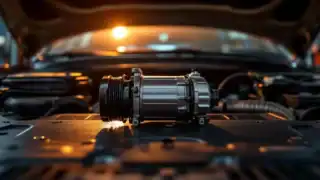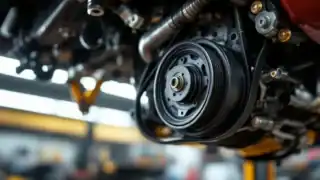
An alternator is the engine’s power plant for your battery and electrical system. When it fails, your Japanese vehicle can’t keep its battery charged, and you’ll be stranded. Japanese vehicles alternator repair is one of the most common electrical issues we see in Mackay, and it’s almost always caught too late. The good news is that a solid diagnosis with our Snap-On equipment tells us exactly what’s wrong before we touch anything, so you’re not paying for guesswork.
Warning Signs Your Japanese Vehicle’s Alternator Is Failing
Most drivers don’t think about their alternator until it stops working. By then, you’re often stuck. Watch for these clear indicators:
- Dashboard warning light shaped like a battery or the letter ‘A’ illuminating while driving
- Headlights dimming when you’re idling, especially at traffic lights
- Flickering interior lights or dashboard gauges that jump around
- A clicking or grinding noise when you turn the engine on
- Difficulty starting the engine, or needing jump-starts more frequently
- A burning smell near the engine, sometimes accompanied by a whining sound
- Battery light staying on after the engine is running for more than a few seconds
Japanese vehicles like Toyota, Nissan, Mazda, and Mitsubishi tend to give fairly consistent warning signs when the alternator’s output is dropping. Don’t ignore that battery light. It’s not telling you the battery is dead; it’s saying the alternator isn’t charging it.
How We Diagnose Your Japanese Vehicle’s Alternator
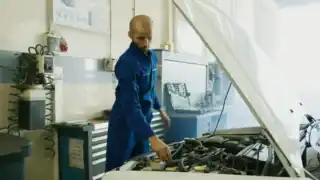
The alternator job looks simple from the outside, but the real work is confirming that the alternator is actually the problem. We use our Snap-On diagnostic equipment to run a full electrical system test. This tells us the alternator’s output voltage under load, how the battery is holding charge, and whether the wiring and connections are sound. A lot of workshops skip this and just replace the alternator because the battery light is on. That’s how you end up with a new alternator and the same problem.
For Japanese vehicles, the diagnostic procedure varies slightly depending on your model. Toyota alternators, for instance, have a specific OEM output specification we check against. Nissan and Mazda alternators follow similar protocols, but the connector types and pulley designs differ. We know those differences and test accordingly. Once we’ve confirmed the alternator is genuinely failing, we discuss whether you need an OEM-spec replacement or a quality equivalent that meets the original specification.
The Repair Process
Japanese vehicle alternators are generally accessible, though the location varies. A Nissan Pulsar alternator sits high on the engine; a Toyota Corolla’s is tucked lower. We remove the serpentine belt, unbolt the old unit, disconnect the wiring harness, and install the replacement. We always inspect the serpentine belt during this job because a worn belt will damage a new alternator quickly. Once everything’s bolted in, we start the engine and verify output with our test equipment before you leave.
What Affects Cost and Turnaround Time
Japanese vehicle alternator repair costs depend on whether you choose OEM-spec or aftermarket parts, how accessible your alternator is, and whether other components need attention. Some models require partial trim removal or manifold work to access the alternator cleanly. A Mazda 3 alternator is usually a straightforward job; a Honda CR-V might require a bit more patience. We always quote transparently before we start so there are no surprises.
Availability matters too. OEM-spec alternators for common Japanese vehicles in Mackay usually arrive quickly because parts suppliers stock them regularly. We carry genuine and OEM-spec parts in stock or can source them within a day. If we need to order a replacement, we’ll tell you upfront rather than guessing.
Turnaround is typically same-day for a straightforward alternator repair once the correct part is in hand. If we discover other electrical faults during diagnosis, like corroded battery terminals or a failing serpentine belt, those will extend the job. We discuss that before proceeding.
Why Choose TFD Tyre & Mechanical for Japanese Vehicles Alternator Repair
We’re a family-run workshop with 18 years in the trade, and we’ve replaced alternators in thousands of Japanese vehicles across Mackay and the surrounding area. That experience means we spot related issues fast: a worn belt, dodgy battery connections, or a faulty voltage regulator that might cause the same symptoms. We use our Snap-On diagnostic equipment to find the real fault, not just the obvious one.
We stock genuine and OEM-spec parts, not cheap substitutes. A budget alternator might work for a while, but it often fails sooner than it should. We stand behind our work with a satisfaction guarantee. If you’re not happy, we make it right.
We’re also a one-stop shop. If your alternator repair uncovers other electrical or mechanical issues, we can handle them on the spot. You’re not sent between a tyre shop, a mechanic, and a parts supplier. Full vehicle diagnostics, mechanical repairs, tyre sales and fitting, and everything else happens right here. Our 4.7-star rating from over 89 five-star reviews reflects the trust Mackay families place in us.
Get Your Japanese Vehicle Alternator Tested Today
If your battery light is on or you’re noticing any of those warning signs, don’t wait until you’re stranded. Call Us Today or Book Your Free Inspection online. We’ll get your alternator tested and talk through your options without pressure.