Family-Run & Trusted
Genuine & OEM Parts
5★ Reviews
Satisfaction Guaranteed

Verified 5★ Reviews

Certified Japanese Vehicles Brake Specialist In Mackay

We inspect and service brakes on Japanese vehicles in Mackay using genuine parts and diagnostic equipment. Safe, reliable brakes matter — book your free inspection today.

Expert Diagnostics

Honest Advice

5★ Reviews

Japanese Brake Diagnostics

Book Your Free Inspection

Fill in the form and we'll get back to you shortly. No obligation.

Booking Form
  • Vehicle Details
  • Confirm Vehicle
  • Services
  • Contact Details
Transparent Quotes
Quality Parts Used
Satisfaction Guarantee

Why Book With Us

Book Your Free Inspection
Drop Off Your Car
We Get to Work
Back on the Road

Japanese vehicles brake specialist work in Mackay demands a specific skill set. Japanese brands like Toyota, Nissan, Mazda, Honda, Mitsubishi and Subaru use brake components and hydraulic systems engineered to strict OEM tolerances, and they respond differently to wear, heat, and age than other manufacturers. A brake specialist who understands these systems can spot problems faster, source the right parts, and keep your vehicle safe and reliable.

Warning Signs Your Japanese Vehicle Needs Brake Inspection

Brake problems rarely announce themselves with a bang. They start small and get worse if ignored. If you own a Japanese vehicle, watch for these specific symptoms that mean it’s time to get your brakes checked:

  • Soft or spongy brake pedal that requires extra pressure to stop
  • Brake pedal that feels low or drops toward the floor
  • Squealing or metallic grinding noise when braking, even at low speeds
  • Visible brake fluid leak under the vehicle or around wheel areas
  • Brake warning light on the dashboard, solid or flashing
  • Uneven braking or pulling to one side when you apply the brakes
  • Brake pedal vibration or pulsing when stopping
  • Longer stopping distances than normal, especially in wet conditions

Many of these symptoms point to worn pads, but they can also indicate fluid contamination, caliper stiction, rotor damage, or air in the lines. That’s why a proper inspection matters before parts get replaced.

How We Diagnose Brake Problems on Japanese Vehicles

When you bring your Japanese vehicle in for brake work, we don’t guess. We use latest Snap-On diagnostic equipment to measure what’s actually happening, not what we assume. Here’s what a thorough brake inspection includes:

We start by pressure-testing your hydraulic system to find leaks or weakness in the lines and connections. Japanese vehicles often use compact brake layouts with tighter tolerances, so fluid leaks can develop in spots that are easy to miss without proper testing. We check every connection point, inspect hoses for age-cracking, and measure fluid condition to see if it’s absorbed moisture or degraded.

Next, we measure pad thickness and inspect rotor surface condition. On Japanese vehicles, we verify that OEM-equivalent brake pad material matches your manufacturer’s friction specifications, because using cheap pads designed for other brands can affect braking feel and accelerate rotor wear. We measure rotor runout and thickness to see if resurfacing is viable or if replacement is necessary.

We also inspect calipers for stiction, corrosion, or seal failure. Japanese brake calipers tend to hold up well, but salt exposure in coastal areas can accelerate corrosion inside the caliper bore. We test caliper release and look for uneven pad wear, which often signals a sticky piston or a failing brake hose.

Finally, we test the whole system under load. This means checking pedal feel, stopping distance, and balance between front and rear braking. If your vehicle has ABS or electronic brake assist, we scan for fault codes to make sure the system is responding correctly.

What Affects Brake Service Cost and Timing

Brake work timelines depend on what the inspection finds. A pad replacement with rotor resurfacing might take a few hours. If calipers need rebuilding or hoses need replacement, you’re looking at longer. If we find a master cylinder failure or air in the system, we address that before you leave.

Parts availability is usually straightforward for common Japanese models in Mackay. We source genuine or OEM-spec pads, rotors, fluid, and seals, not cheap substitutes that wear faster or feel wrong. Genuine-equivalent parts cost more than pattern parts, but they last longer and preserve the feel your vehicle was designed to have.

We always give you a transparent quote before we start work. We explain what we found, what needs fixing now, and what you can watch. If you’re unsure, ask us to walk through the inspection photos or measurements. That’s what we’re here for.

Why Choose TFD Tyre & Mechanical for Japanese Vehicle Brake Work

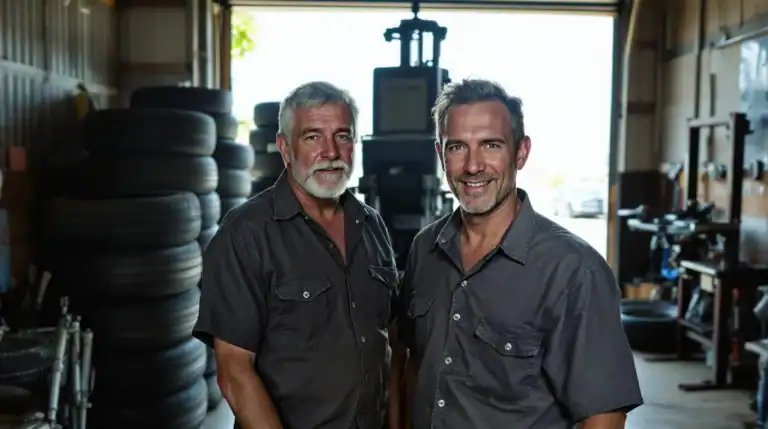
We’re a family-run workshop with 18 years in the trade. Mark and Elijah understand Japanese vehicle systems inside out, and they’ve built the workshop as a genuine one-stop shop. That means you’re not sent between a brake specialist, a tyre shop, and an inspection station. We handle your brakes, suspension, alignment, tyres, and RWC inspections under one roof.

Our latest Snap-On diagnostic equipment finds the real fault fast. We don’t replace parts we’re not sure about, and we don’t upsell work you don’t need. Our honest advice and transparent quotes mean you’ll know exactly what’s necessary before we touch your vehicle.

Every job comes with our satisfaction guarantee. If you’re not happy with the work, we make it right. We’re also a TMR-approved inspection station, so if you need a roadworthy certificate after brake work, we can handle that in-house without a second trip elsewhere.

Book Your Japanese Vehicle Brake Inspection in Mackay

If your Japanese vehicle shows any of the warning signs above, don’t wait. Brake issues get worse and more expensive the longer they sit. Call Us Today or Book Your Free Inspection online, and we’ll get to the bottom of what your brakes need. TFD Tyre & Mechanical serves Mackay with honest, expert brake work for Japanese vehicles.
Other Services

Whatever your needs we have you covered, see some similar services below or click "See All Services" to explore our full service offering.

Honest Mechanics Mackay Drivers Rely On

Family-run by Mark and Elijah with 18 years in the trade, we give you straight answers, fair prices, and quality parts — not the runaround.

Honest, Upfront Quotes

You’ll know exactly what’s needed and what it costs before we touch your car.

Latest Snap-On Diagnostics

Bring your vehicle in and we’ll assess it and give you a clear, honest quote upfront.

OEM-Spec Parts Sourcing

We source genuine Japanese brake parts fast to keep your vehicle safe and reliable.

Brands We Service

Whatever your needs chances are we have you covered, see other brands we service below or click "See All Brands" to see the full list of brands we service.

How Japanese Brake Repair Works

From booking to safe brakes, here's what to expect during Japanese brake specialist service at TFD Tyre & Mechanical.

Step 1

Book Your Free Inspection

Book your free inspection to diagnose brake issues and get clarity on what your Japanese vehicle needs.

Step 2

Japanese Brake System Inspection

We measure pad thickness, rotor condition, and fluid quality using manufacturer procedures for your model.

Step 3

Precision Brake Repair

We fit OEM-spec pads and rotors following Japanese manufacturer specs for safe, reliable braking performance.

Step 4

Safety Check and Handover

Final test drive confirms responsive brakes, then we walk you through the work before collection.

Rated 4.7 Stars by Our Customers

Verified 5★ Reviews

Quality Parts From Trusted Suppliers

We fit genuine and OEM-spec parts sourced from reputable suppliers. No cheap substitutes - just quality components that do the job properly.

Book Your Free Inspection

Fill in the form and we'll get back to you shortly. No obligation.

Booking Form
  • Vehicle Details
  • Confirm Vehicle
  • Services
  • Contact Details
Transparent Quotes
Quality Parts Used
Satisfaction Guarantee

Why Book With Us

Book Your Free Inspection
Drop Off Your Car
We Get to Work
Back on the Road

Got Questions? We Have Answers

Browse the questions below for quick answers about our services. If yours isn't listed, give us a call and we'll sort you out.

A Japanese vehicles brake specialist understands the specific brake systems, hydraulic designs, and common wear patterns across Japanese brands like Toyota, Honda, Nissan, and Mazda. We use diagnostic equipment to identify faults quickly and source genuine or OEM-equivalent parts matched to your vehicle’s exact specifications. This focused expertise means we find problems faster and get your brakes working properly the first time, rather than working through generic troubleshooting steps.

Most Japanese vehicles benefit from brake inspections every 12 months or 15,000 kilometres, whichever comes first. If you notice soft pedal feel, longer stopping distances, or hear squealing or grinding, get them checked immediately regardless of service interval. Brake wear varies with your driving style and conditions, so we recommend an inspection during your regular service visits. We’ll let you know if pads or rotors need attention before they cause safety issues.

Under Australian Consumer Law, as guided by the ACCC, you can have your vehicle serviced by qualified independent mechanics without affecting your manufacturer’s warranty, provided the work is done to the required standard. This is general information, not legal advice. We recommend checking your specific warranty documents or contacting the manufacturer if you have concerns. We use genuine and OEM-spec parts and maintain full service records to support your warranty position.

We start with a full diagnostic inspection using our equipment to measure pad thickness, rotor condition, and fluid quality. We’ll show you exactly what needs attention before we start work. If service is needed, we remove wheels, inspect brake lines and cylinders, replace worn pads or rotors, bleed the system if required, and test everything before you leave. You’ll get a transparent quote upfront and understand what we’ve done and why.

Stop driving and book an inspection immediately if you notice a soft or spongy brake pedal, a grinding sound when braking, the brake warning light on your dashboard, or a noticeable increase in stopping distance. These are safety-critical issues that can worsen rapidly. Don’t ignore them hoping they’ll improve. Brake failure puts you and others at serious risk. We offer prompt brake inspections and can often fit you in quickly when safety is at stake.

Yes, they do. Toyota models typically use different brake pad compounds, rotor designs, and ABS system configurations than Honda vehicles. Our technicians are familiar with these differences and source OEM-spec parts specific to your model. For example, some Toyota brakes respond differently to bedding procedures than Honda equivalents. We also understand model-specific issues. certain years have known pad wear patterns or rotor problems. Using the right parts and process for your specific brand ensures reliable, safe braking.

A full brake diagnostic inspection is affordable and helps identify any issues before they become expensive problems. Costs vary depending on what we find and what needs replacing, but we provide a transparent quote before starting any work. An inspection typically covers pad thickness measurement, rotor condition assessment, fluid quality check, and brake line inspection. If no service is needed, you’ll know your brakes are safe. If repairs are required, you’ll understand the options and pricing upfront.

Uneven pad wear usually indicates a sticking caliper, misaligned wheels, or worn suspension components affecting brake pressure distribution. Japanese vehicles can develop these issues at different rates depending on model and age. Wheel alignment problems are common culprits, as they cause one brake to work harder than others. We inspect your entire brake system, suspension, and alignment during diagnosis. Addressing the root cause prevents expensive repeat repairs and keeps your brakes working efficiently across all wheels.

Continue to site