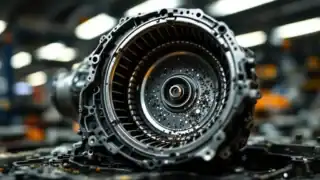
Japanese vehicles transmission repair is one of those services that catches owners off guard because transmissions often run quietly in the background until something goes wrong. Whether you drive a Toyota, Nissan, Mitsubishi, or Mazda around Mackay, the transmission is what converts engine power into movement at the wheels, and when it starts slipping, grinding, or refusing to shift smoothly, you need accurate diagnostics fast. We’ve spent 18 years working on Japanese vehicles across all makes, and transmission faults are rarely simple guesses; they require proper testing to isolate the real problem before any repair work begins.
Common Signs Your Japanese Vehicle Transmission Needs Attention
Transmission problems usually announce themselves through specific symptoms rather than vague noises. If your vehicle hesitates or delays when you shift from Park to Drive, or if you notice a lag between pressing the accelerator and the engine responding, that’s often a transmission fluid or hydraulic pressure issue. Grinding or whining sounds during shifts, particularly in automatics, suggest internal wear or low fluid levels. Some owners report a burning smell around the engine bay, which almost always points to transmission fluid that’s overheated or degraded.
Manual transmission vehicles send different signals. Difficulty engaging gears, a clutch that doesn’t fully disengage (so the engine stalls when you try to select a gear), or slipping under load are key warning signs. Leaks underneath your vehicle, whether automatic or manual, mean the transmission is losing fluid and won’t operate correctly for long. The longer you drive with low transmission fluid, the more internal damage accumulates, so these symptoms warrant a prompt inspection rather than hoping they’ll resolve themselves.
Automatic transmission fluid in Japanese vehicles also degrades over time and use. Many Toyota, Nissan, and Mitsubishi models follow manufacturer service schedules that specify fluid checks and changes at particular intervals, typically between 40,000 and 80,000 kilometres depending on driving conditions and the specific model. If you’ve never had your transmission fluid checked or you’re overdue based on your logbook, that’s a good reason to book an inspection here in Mackay.
How We Diagnose Japanese Vehicle Transmission Problems in Mackay
Our first step is always a full vehicle diagnostic scan using our latest Snap-On diagnostic equipment. This isn’t a generic scanner; we use tools that understand Japanese vehicle transmission protocols, so we can read fault codes specific to Toyota ECUs, Nissan CVT systems, Mitsubishi gearbox computers, and Mazda automatic boxes. Fault codes tell us what the transmission control module has detected, and that data narrows down whether the issue is electrical (a sensor failure), hydraulic (pressure or fluid), or mechanical (internal wear).
We also perform a physical inspection. We check transmission fluid colour, smell, and level, because discoloured or burnt-smelling fluid indicates temperature problems or internal degradation. We listen to the transmission under load, feel for any lag or harshness during shifts, and check for leaks. For manual transmissions, we test clutch engagement, check for grinding when shifting, and inspect the linkage for wear or adjustment issues.
Once we’ve identified the fault, we discuss findings with you clearly. We explain what we found, why it matters, what will happen if you leave it, and what repair options exist. Some issues are simple, like a low-cost fluid change or filter replacement. Others involve internal work or parts replacement. We only recommend what your vehicle actually needs, and we source genuine or OEM-spec parts that match Japanese manufacturer standards, not cheap substitutes that fail early.
What Affects Cost and Timeline for Transmission Repair
Transmission repair costs vary significantly depending on what’s wrong. A transmission fluid and filter service takes a few hours and sits at the lower end. A sensor replacement or solenoid repair typically takes longer but stays reasonable. Internal transmission work, such as bearing replacement or seal repairs, requires more time and parts, so costs increase. Parts availability also matters; genuine Japanese parts ship quickly, but if we’re sourcing a specific component for a less common model, lead time might extend a few days.
We’re honest about timelines. A straightforward diagnostic and fluid service might finish same-day. A repair involving parts replacement usually takes 1-3 working days depending on complexity and parts availability. Major internal work can take longer, but we’ll give you a clear estimate before we start and keep you updated as work progresses. We don’t charge you for guessing, and we don’t start work without your approval on cost and scope.
Why Choose Our Workshop for Japanese Vehicle Transmission Repair
We’re a family-run father-and-son workshop with genuine expertise in Japanese vehicles. We’ve diagnosed and repaired thousands of Japanese transmissions across all makes, and we use that experience to avoid unnecessary parts replacement. Our Snap-On diagnostic equipment means we find the real fault fast, not just the obvious symptom. We stock genuine and OEM-spec parts rather than cheap alternatives, because a transmission repair is too critical to install substandard components.
Because we’re a one-stop shop, you’re not sent between a transmission specialist, a mechanic, and a parts supplier. We handle full vehicle diagnostics, mechanical work, wheel alignments, tyre sales and fitting, and all related services under one roof in Mackay. We also hold TMR-approved RWC and COI inspection qualifications, and our air conditioning work is ARCtick-licensed. If your transmission issue is related to your engine management system, cooling system, or anything else, we diagnose and address it together. We’re backed by a satisfaction guarantee: if you’re not happy with the work, we make it right.
Our reputation speaks for itself, with a 4.7 star rating from over 89 five-star reviews from customers who’ve trusted us with their vehicles. That consistency comes from transparent pricing, honest advice, and the experience of 18 years in the trade.
Next Steps for Your Japanese Vehicle
If you’ve noticed any of these transmission symptoms, the best move is to book your free inspection with us. We’ll run a full diagnostic, identify exactly what’s happening, and walk you through your options. You’ll know the cost and timeline before you commit to any repair. Book Your Free Inspection online or Call Us Today, and let’s get your Japanese vehicle transmission running smoothly again.