Family-Run & Trusted
Genuine & OEM Parts
5★ Reviews
Satisfaction Guaranteed

Verified 5★ Reviews

Expert Japanese Vehicles Radiator Flush In Mackay

A radiator flush clears built-up sediment and old coolant from your Japanese vehicle's cooling system, restoring efficiency and preventing overheating. We use genuine parts and transparent advice.

Expert Diagnostics

Honest Advice

5★ Reviews

Japanese Cooling Experts

Book Your Free Inspection

Fill in the form and we'll get back to you shortly. No obligation.

Booking Form
  • Vehicle Details
  • Confirm Vehicle
  • Services
  • Contact Details
Transparent Quotes
Quality Parts Used
Satisfaction Guarantee

Why Book With Us

Book Your Free Inspection
Drop Off Your Car
We Get to Work
Back on the Road

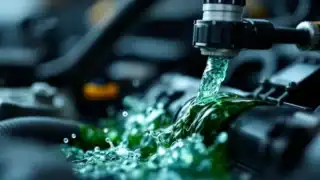
A radiator flush is a preventive cooling system service that removes old coolant and built-up deposits from your engine’s cooling passages, then refills with fresh fluid. For Japanese vehicles in Mackay, a Japanese vehicles radiator flush becomes important when your coolant degrades over time or when your manufacturer’s service schedule calls for it. Unlike a simple coolant top-up, a proper flush cleans the entire system, helps your engine run cooler, and can prevent expensive overheating damage down the track.

Warning Signs Your Japanese Vehicle Needs a Radiator Flush

Most drivers don’t think about coolant until something goes wrong. Watch for these symptoms that suggest your radiator system needs attention:

  • Engine temperature gauge creeping into the hot zone, even in normal driving
  • Sweet-smelling fluid visible under the car or around the engine bay
  • Discoloured coolant in the overflow tank (should be bright green, pink, or orange depending on the type)
  • Heater blowing cool air instead of hot, even when the engine is warm
  • Rough idle or loss of power, sometimes caused by thermal stress from overheating
  • Visible corrosion or sludge inside the radiator cap or overflow bottle

Japanese brands like Toyota, Nissan, Mazda, and Mitsubishi have specific coolant type requirements. Some use long-life coolant that’s rated for extended intervals, while others recommend more frequent changes. Even if you’re not seeing obvious symptoms, checking your service schedule for the manufacturer’s recommended flush interval is the smart move.

What a Proper Radiator Flush Involves

When you bring your Japanese vehicle in for a radiator flush in Mackay, we start by running a full diagnostic check on your cooling system. Our Snap-On diagnostic equipment lets us identify the real condition of your coolant and any underlying issues like thermostat performance or circulation problems before we start the work.

Here’s what happens during the service:

  • We inspect hoses, the water pump, radiator, and connections for leaks or wear
  • The old coolant is drained completely from the radiator, engine block, and heater core
  • The system is flushed with cleaning fluid to remove rust, scale, and sludge that accumulates over years of use
  • Fresh, genuine OEM-spec coolant matching your vehicle’s manufacturer requirements is refilled to the proper level
  • We bleed air pockets from the system and test circulation to confirm proper operation
  • A final pressure test confirms the system holds pressure and temperature gauges read correctly

For Japanese vehicles, using the correct coolant type is critical. Toyota, for example, uses Toyota Super Long-Life Coolant (TSLLC), while some Nissan models require Nissan Long-Life Coolant (NLC). Mixing types or using a generic coolant can cause internal corrosion and reduce the life of your cooling system. We stock genuine and OEM-spec parts to match your vehicle’s exact requirements, not cheap substitutes that could damage your engine.

Cost and Time Factors for Your Radiator Flush

The total cost and time for a Japanese vehicles radiator flush depends on a few real-world factors. A straightforward flush on a standard sedan is faster than the same job on a larger vehicle or one with a complex cooling layout. The type of coolant you need also affects the price. Long-life OEM coolant costs more upfront but lasts longer and protects better than generic equivalents.

Vehicle age and condition matter too. Older cooling systems with stubborn deposits or minor leaks may need extra time to flush thoroughly. We’ll diagnose the actual condition first, so you’ll know exactly what’s needed before we start. If we find a leaking hose or failing thermostat during the inspection, we’ll let you know the options and costs in advance with no surprises.

Why TFD Tyre & Mechanical Is Your Radiator Flush Specialist in Mackay

We’re a family-run workshop with 18 years in the trade. We work on Japanese vehicles regularly and understand the specific cooling system demands of Toyota, Nissan, Mazda, Mitsubishi, and other brands common in the Mackay area. That means we’re not guessing at your vehicle’s needs. We know what your manufacturer recommends and what your engine actually requires.

Our latest Snap-On diagnostic equipment finds the real fault fast, so we don’t replace parts unnecessarily. We stock genuine and OEM-spec coolants, not generic blends that might save a dollar but cost your engine’s lifespan. Because we’re a genuine one-stop shop for mechanical work, wheel alignments, tyres, and air con all under one roof, you’re not sent between three different shops to get your cooling system serviced properly.

We offer a satisfaction guarantee. If you’re not happy with the work, we make it right. Our customers trust us with honest advice and transparent quotes at a fair price. That’s how we’ve stayed independent and trusted for nearly two decades. With over 89 five-star reviews, families across Mackay know they can rely on us for genuine service and real expertise.

Schedule Your Japanese Vehicles Engine Radiator Flush Today

If your engine’s running hotter than normal, your coolant looks discoloured, or your service schedule says it’s time for a flush, we’re ready to help. Book Your Free Inspection with TFD Tyre & Mechanical today, and we’ll check your cooling system from top to bottom. You’ll get a clear picture of what needs doing and honest advice on the next steps. Call Us Today or Book Your Free Inspection online to get started with your Mackay radiator flush service.
Other Services

Whatever your needs we have you covered, see some similar services below or click "See All Services" to explore our full service offering.

Honest Mechanics Mackay Drivers Rely On

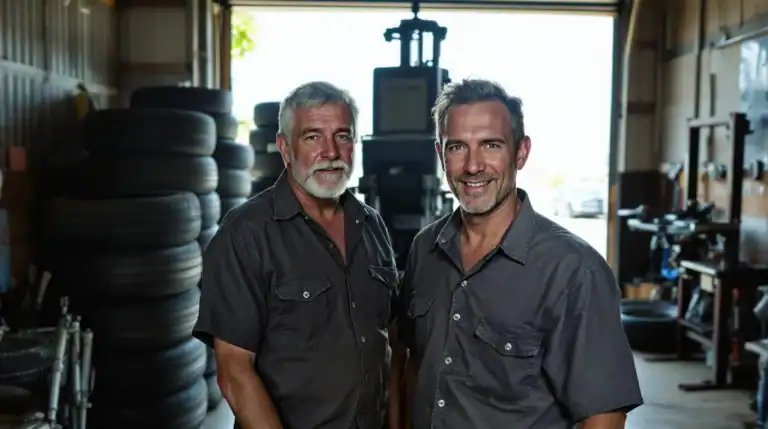
Family-run by Mark and Elijah with 18 years in the trade, we give you straight answers, fair prices, and quality parts — not the runaround.

Honest, Upfront Quotes

You’ll know exactly what’s needed and what it costs before we touch your car.

Latest Snap-On Diagnostics

Bring your vehicle in and we’ll assess it and give you a clear, honest quote upfront.

Japanese Cooling System Knowledge

We source OEM-spec parts for Japanese vehicles to keep cooling systems reliable.

Brands We Service

Whatever your needs chances are we have you covered, see other brands we service below or click "See All Brands" to see the full list of brands we service.

How Japanese Radiator Flush Works

From booking to collection, we handle your radiator flush service professionally and thoroughly.

Step 1

Book Your Free Inspection

Call us today or book your free inspection to arrange your Japanese vehicle's radiator flush service.
Step 2

Cooling System Assessment

We test coolant condition, pressure and flow using Japanese vehicle-compatible diagnostics and specifications.

Step 3

Complete Radiator Flush

We flush the system thoroughly, replace with OEM-spec coolant, and pressure-test for leaks.

Step 4

Final Check & Collection

We verify temperature stability, top up if needed, and return your vehicle ready to drive.

Rated 4.7 Stars by Our Customers

Verified 5★ Reviews

Quality Parts From Trusted Suppliers

We fit genuine and OEM-spec parts sourced from reputable suppliers. No cheap substitutes - just quality components that do the job properly.

Book Your Free Inspection

Fill in the form and we'll get back to you shortly. No obligation.

Booking Form
  • Vehicle Details
  • Confirm Vehicle
  • Services
  • Contact Details
Transparent Quotes
Quality Parts Used
Satisfaction Guarantee

Why Book With Us

Book Your Free Inspection
Drop Off Your Car
We Get to Work
Back on the Road

Got Questions? We Have Answers

Browse the questions below for quick answers about our services. If yours isn't listed, give us a call and we'll sort you out.

A radiator flush removes old coolant and deposits from your cooling system, then refills it with fresh coolant to the proper specification for your Japanese vehicle. Over time, coolant breaks down and loses its ability to protect against corrosion and overheating. Fresh coolant keeps your engine running at the right temperature and prevents rust buildup inside the radiator, which can lead to expensive repairs down the track.

Most Japanese vehicles need a radiator flush every 40,000 to 80,000 kilometres or every 2 to 3 years, depending on your specific model and the type of coolant used. Some newer Japanese vehicles run longer intervals. Check your owner’s manual or logbook for the manufacturer’s recommendation. We can advise you on what’s right for your car when you bring it in.

Watch for the engine running hotter than usual, discolouration of coolant (rusty or murky rather than bright), sweet smelling liquid under the car, or your temperature gauge creeping toward the hot zone. If your car is losing coolant regularly or the heater isn’t blowing warm air, these can also signal cooling system problems. Don’t ignore these signs as overheating can damage the engine.

Generally, Australian consumer law under ACCC guidance does not require you to use a dealership to maintain your vehicle’s warranty. Independent workshops can service your car and preserve warranty coverage, provided the work is done properly using appropriate parts and techniques. We recommend checking your warranty documents or asking your dealer about your specific circumstances. We use OEM-spec coolant and perform the service to manufacturer standards.

A radiator flush typically takes 1 to 2 hours depending on your vehicle and the condition of the system. We’ll drain the old coolant, flush the system with cleaning fluid, and refill with fresh OEM-spec coolant for your Japanese vehicle. On the day you come in, we’ll give you a clear timeframe once we’ve assessed your car.

Old, degraded coolant loses its protective properties and corrosion inhibitors break down. This allows rust to build up inside the radiator and engine passages, which can restrict flow and cause overheating. Over time, corrosion can puncture the radiator, leading to coolant leaks and engine damage. Regular flushing is a cheap preventive measure compared to a radiator replacement or engine repair.

Yes, we use genuine OEM-spec coolant matched to your specific Japanese vehicle make and model. Using the correct coolant is critical because different manufacturers use different formulations, and mixing types can damage your cooling system. TFD Tyre & Mechanical stocks the right coolant for most Japanese vehicles and always confirms the correct specification before starting work.

While a radiator flush is straightforward, it involves draining hot coolant safely, flushing the system to remove debris, and refilling to the correct level and specification. Getting the coolant type wrong can cause corrosion or compatibility issues. We have the diagnostic tools to check for leaks and blockages while we’re at it, and we’ll dispose of old coolant responsibly. It’s worth getting it done properly.

The cost varies depending on your vehicle’s size, coolant type, and whether we find any leaks or blockages during inspection. We’ll always give you a transparent quote before we start work so you know exactly what you’re paying for. The investment in a regular flush is small compared to the cost of radiator replacement or engine damage from overheating.

A top-up simply adds coolant to bring the level back up, but doesn’t address old, degraded coolant already in the system. A flush removes all the old coolant and deposits, then refills with fresh fluid. If you’re regularly topping up, it usually signals a leak or a system that needs flushing. We can diagnose which one you need during an inspection.

Continue to site