A radiator that’s losing coolant, running hot, or showing rust inside the core is one of the most common cooling system failures we see in Japanese vehicles here in Mackay. Japanese Vehicles radiator replacement is often straightforward, but getting it right matters for your engine’s longevity. Whether you’re driving a Toyota, Nissan, Mazda, Mitsubishi, or another Japanese brand, the radiator is your engine’s first line of defence against overheating. When it fails, you’re not just facing a parts swap — you’re risking serious engine damage if you keep driving.
Warning signs your radiator needs replacement
Most radiator problems announce themselves clearly before they become critical. Watch for these symptoms:
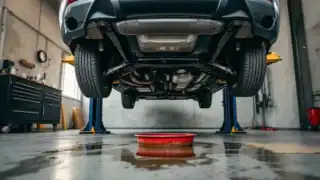
- Coolant pooling underneath the vehicle after parking, especially on the passenger side where the radiator sits
- Temperature gauge climbing into the red zone during normal driving, even in cool weather
- Sweet-smelling coolant odour inside the cabin or around the engine bay
- Visible rust, corrosion, or white crusty deposits on the radiator fins or core
- Cloudy or discoloured coolant when you check the expansion tank
- The radiator fan running constantly or not cycling off even when the engine cools down
- Loss of coolant requiring top-ups every week or two, with no obvious external leaks
Some Japanese vehicles also develop pinhole leaks in the radiator core itself — you might not see pooling fluid, but you’ll notice the coolant level dropping steadily. Internal corrosion is especially common in older Toyota and Nissan models if the coolant hasn’t been flushed and replaced on schedule.
How we diagnose and replace your Japanese vehicle’s radiator in Mackay
When you bring your car in, we start with a pressure test. This tells us whether the radiator is actually leaking or whether the problem lies elsewhere in the cooling system — a failing thermostat, water pump, or hose can mimic radiator failure. Using our Snap-On diagnostic equipment, we can identify the exact fault fast, which saves you money on unnecessary parts.
Once we confirm the radiator is the culprit, here’s what the replacement involves:
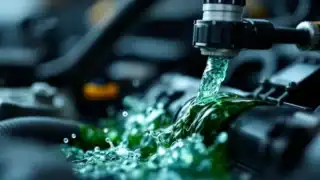
- Draining the coolant system completely and safely
- Disconnecting the inlet and outlet hoses, plus any transmission oil cooling lines if your vehicle has an automatic
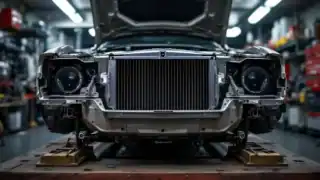
- Unbolting the radiator mounting brackets and removing the old unit
- Installing a genuine or OEM-equivalent replacement radiator matched to your exact Japanese vehicle model
- Refitting all hoses and connections, checking for leaks under pressure
- Refilling with the correct coolant type — this matters for Japanese brands, as Toyota and Nissan models often require specific coolant formulations to prevent internal corrosion
- Running the engine to bleed air from the system and verify proper operation
- Road testing to confirm the temperature gauge holds steady
We don’t mix and match parts. We fit genuine or OEM-spec radiators that meet your vehicle’s original engineering specifications. This protects your warranty and your engine. Cheap aftermarket radiators fail faster and can leave you stranded.
What affects cost and turnaround time for radiator replacement
A Japanese vehicles radiator replacement typically takes half a day to a full day depending on a few factors. Engine bay access varies — some models like older Mazda 3s are straightforward, while others require removing bumpers or air intake boxes first. That’s where our 18 years of workshop experience with Japanese vehicles pays off; we know the quirks of each model and can work efficiently.
Parts availability matters too. Genuine Toyota or Nissan radiators are usually in stock or available same-day through our supplier network. If you choose an OEM-equivalent part, lead times might stretch a day or two, but the quality is identical and the cost is fairer. We’ll always be transparent about your options before we start work.
The condition of your cooling system also affects the final bill. If your radiator failed because the coolant wasn’t flushed regularly, internal sediment might have damaged the water pump or thermostat as well. We’ll spot that during inspection and give you an honest quote covering everything that actually needs fixing — not just the radiator in isolation.
Why Japanese vehicle owners choose TFD Tyre & Mechanical for cooling system repairs
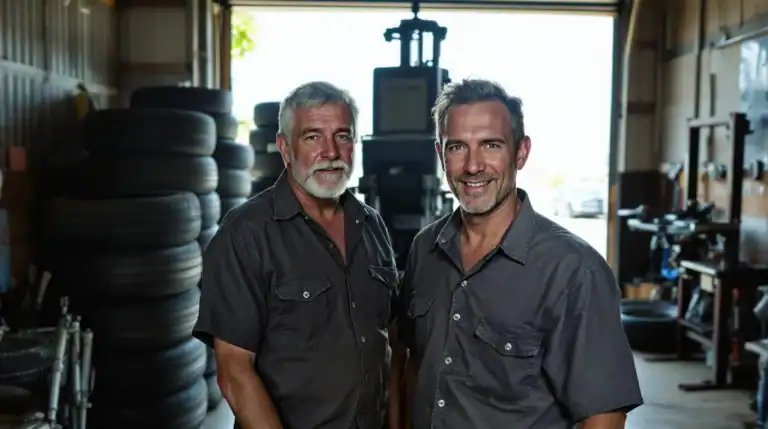
We’re a family-run father-and-son workshop with 18 years in the trade, and we’ve built our reputation on honest advice and transparent quotes at a fair price. We’re not a franchise or dealership — we work with you, not against your wallet. That means we’ll recommend a radiator replacement only when it’s genuinely needed, not as an upsell on every overheating complaint.
Our Snap-On diagnostic equipment lets us find the real fault fast, so you’re never paying for guesswork. We fit genuine and OEM-spec parts, not cheap substitutes that fail within a year. And because we’re a one-stop shop offering tyres, mechanical work, wheel alignments, RWC and COI inspections, and air conditioning all under one roof, we can handle any related cooling or fluid issues without sending you elsewhere.
We back our work with a satisfaction guarantee — if you’re not happy, we make it right. Your Japanese vehicle matters to you, and we treat it like it matters to us too.
Next steps for your radiator repair in Mackay
If you’ve noticed any of the warning signs above, don’t wait. Overheating can warp your cylinder head or damage your engine block, and that repair bill is ten times larger than a radiator swap. Call Us Today to describe what you’re seeing, or Book Your Free Inspection online. We’ll diagnose the problem accurately and give you a clear, upfront quote before we touch a spanner.