A Japanese vehicles cooling system flush is essential maintenance that keeps your engine running at the right temperature and protects the entire cooling network from corrosion and blockages. Over time, coolant breaks down and loses its protective properties, leaving your radiator, water pump, hoses, and engine block vulnerable to rust and scale buildup. For Japanese vehicle owners in Mackay, a proper cooling system flush ensures reliable operation through hot weather and prevents costly breakdowns that could leave you stranded.
Signs Your Japanese Vehicle’s Cooling System Needs Attention
Cooling system problems don’t always announce themselves loudly, but there are clear warning signs that a flush is overdue. If your engine temperature gauge creeps higher than normal, or you notice the needle sitting closer to the hot side than usual, that’s a signal the coolant isn’t doing its job effectively. Discoloured coolant is another red flag; fresh coolant is bright green, pink, or orange depending on the type, but old coolant turns brown or murky as it degrades.
- Visible leaks under the car, especially sweet-smelling puddles (coolant has a distinctive odour)
- White or dark crusty deposits around hose connections or the radiator cap
- Overheating during normal driving, especially in traffic
- Coolant level dropping between services
- Engine running rough or misfiring due to temperature instability
- Heater blowing lukewarm air even when set to hot
Japanese vehicle manufacturers like Toyota, Nissan, Honda, and Mitsubishi specify coolant change intervals in their logbooks, typically every 40,000 to 100,000 kilometres depending on the model and coolant type. Ignoring these intervals means the protective additives in the coolant are exhausted, and corrosion begins eating away at metal components inside your cooling system. A cooling system flush clears out this degraded fluid and replaces it with fresh coolant that protects your engine properly.
What Happens During a Japanese Vehicles Cooling System Flush
When you bring your Japanese vehicle in for a cooling system flush, we start with a full diagnostic inspection using our latest Snap-On diagnostic equipment to identify any existing leaks, blockages, or pressure issues before we drain anything. This means we catch problems early instead of discovering them halfway through the job.
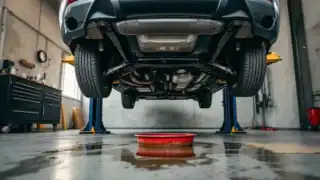
The flush itself involves draining the old, degraded coolant completely from the radiator, engine block, and heater core. We then run a specialised flushing solution through the system to dissolve rust, scale, and sediment that’s accumulated inside the passages. For Japanese vehicles, this step is crucial because many models use aluminium components that are susceptible to corrosion if coolant protection fails.
After the flush cycle, we rinse the system thoroughly with clean water to remove all residue, then refill it with genuine or OEM-spec coolant matched to your specific vehicle’s requirements. Toyota vehicles, for example, often use Toyota red coolant or an equivalent that meets their exact specifications. Nissan models may require different coolant types. Using the correct fluid prevents chemical reactions that can damage seals and cause leaks. We also inspect the radiator cap, thermostat housing, and all hoses for wear or damage while we’re in the system.
The job includes bleeding air from the system so there are no pockets that could cause overheating or poor heater function. We run the engine and monitor temperature gauges to confirm the system is holding pressure and maintaining proper operating temperature before you leave.
What Affects Cost and Time for Your Cooling System Service
The time and cost of a cooling system flush depend on several factors specific to your vehicle. Some Japanese models have easier access to drain points and flush connections, while others require removing hoses or components to get full system coverage. The capacity of your cooling system matters too; a larger engine with a bigger radiator holds more coolant and takes longer to flush thoroughly.
Whether parts are needed changes the scope significantly. If we find a leaking hose, failed thermostat, or corroded radiator cap during the inspection, those components need replacement. We always use genuine or OEM-spec parts, not cheap substitutes, because your cooling system’s reliability depends on components that meet the exact pressure and temperature tolerances your engine was designed for. A failed cheap radiator cap can let pressure escape and cause overheating, so we don’t cut corners on parts.
Coolant type also influences cost slightly. European and some Japanese vehicles require specific coolant formulations, and genuine or equivalent fluids cost more than universal budget coolant, but they protect your engine far longer and prevent compatibility issues.
Why Choose TFD Tyre & Mechanical for Your Mackay Japanese Vehicle
TFD Tyre & Mechanical is a family-run workshop with 18 years in the trade, and our reputation in Mackay is built on honest advice and transparent quotes at a fair price. When we diagnose a cooling system issue, we explain exactly what we found, why it matters, and what needs to happen next. You’ll get a clear quote before we start work, and no surprise charges.
Our latest Snap-On diagnostic equipment helps us identify cooling system faults quickly and accurately, so we don’t waste your time or money chasing the wrong problem. We work on Japanese vehicles regularly and understand their specific cooling requirements and common issues. Whether it’s a Toyota, Nissan, Honda, Mitsubishi, Mazda, or Isuzu, we know the right coolant type, the correct flush procedure, and what to watch for during inspection.
As a one-stop shop, we can handle everything from the cooling flush itself to radiator replacement, hose repairs, and wheel alignments all under one roof. If your vehicle needs an RWC inspection, we’re TMR-approved to provide that too. You’re not sent between different shops; we do the work here and do it right. We also offer tyre sales and fitting, wheel alignments, ARCtick-licensed air conditioning service, and logbook servicing across all makes and models.
Our satisfaction guarantee means if you’re not happy with the work, we make it right. That’s how we’ve earned 4.7 stars across 89+ customer reviews.
Book Your Japanese Vehicles Cooling System Flush in Mackay
Your Japanese vehicle’s cooling system is too important to ignore. Book Your Free Inspection today to have your cooling system checked by our team at TFD Tyre & Mechanical. Call Us Today or use our online booking to arrange a time that works for you. We’ll diagnose any issues and give you a clear picture of what your Japanese vehicle needs to stay cool and reliable on Mackay roads.