Your Nissan’s cooling system is one of the hardest working parts of your engine, yet it’s easy to overlook until something goes wrong. Nissan cooling system repair in Mackay becomes urgent when your engine overheats, your temperature gauge climbs into the red, or you spot coolant pooling under your vehicle. We’ve seen plenty of Nissan owners pull into our workshop worried they’ve done serious damage, but early diagnosis often means a straightforward repair that keeps your engine safe and your car on the road.
Common Signs Your Nissan’s Cooling System Needs Attention
The cooling system on a Nissan is designed to regulate engine temperature precisely. When it starts to fail, your car sends clear warning signals. Watch for these symptoms:
- Temperature gauge rising above centre, especially in traffic or climbing hills
- Steam or mist from under the bonnet (stop driving immediately if this happens)
- Sweet-smelling fluid leaking beneath the vehicle or pooling in your driveway
- White crusty deposits around hose connections or the radiator
- Engine knocking or pinging sounds, particularly under load
- Heater not blowing warm air, or warm air only when driving fast
- Coolant level dropping between services
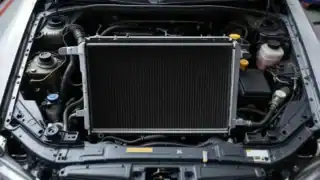
Nissan radiators, water pumps, and thermostats are engineered to OEM specifications, but they wear predictably. A radiator with years of use may develop internal corrosion or a slow leak. A failing water pump can starve the system of circulation. A stuck thermostat prevents the engine from reaching its correct operating temperature. Any of these issues can damage your engine if left unaddressed, so don’t wait for the warning light to become a crisis.
How We Diagnose and Repair Nissan Cooling Systems
Nissan cooling system repair starts with proper diagnosis. We don’t guess or replace parts that might be okay. Instead, we use our latest Snap-On diagnostic equipment to identify the exact fault quickly and accurately.
The Inspection Process
We begin with a full cooling system inspection. This includes checking coolant level and condition, testing radiator fan operation, inspecting all hoses and clamps for leaks or cracks, and listening for water pump noise or bearing wear. We pressure-test the entire system to find small leaks that aren’t visible to the eye. For Nissan vehicles, we also verify that the thermostat is opening and closing at the correct temperature, since Nissan thermostats are critical to the engine management system and affect both cooling and fuel economy.
Diagnostic Testing
If the system is not cooling properly, we run a thermostat test using temperature sensing equipment. We check radiator airflow by inspecting core condition and electric fan relay function. We also test the coolant itself to ensure it has not become diluted or contaminated, which happens gradually over time and reduces the system’s ability to protect against corrosion and cavitation.
Repair and Replacement
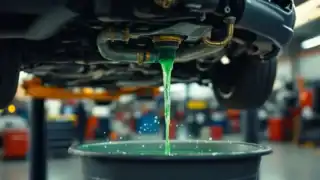
Once we know what’s wrong, we walk you through the options and costs before we start work. If a radiator needs replacement, we fit a genuine Nissan or OEM-equivalent unit, not a cheap aftermarket substitute that may fail prematurely. The same applies to water pumps, thermostats, and hoses. If coolant contamination is the issue, we perform a full system flush and refill with Nissan-approved coolant specification. We also replace any corroded hose clamps or damaged hoses to prevent future leaks.
What Affects the Cost and Timeline of Repair
Nissan cooling system repair costs depend on several factors, and we’re always transparent about what drives the price. A simple thermostat replacement is faster and less expensive than a radiator replacement. A radiator flush is much cheaper than radiator replacement. If parts need to come from a supplier, that can add a day or two, but most common Nissan cooling components are available locally or we can source them quickly.
Labour time varies depending on engine bay layout and how accessible the component is. Some Nissan models require removing other parts to access the radiator or water pump. Parts availability also matters: a genuine Nissan radiator is reliable but may take longer to source than an OEM-equivalent, whilst a cheaper aftermarket part might fail sooner and cost you more in the long run. We’ll explain these trade-offs upfront so you can make an informed decision.
Severity matters too. A slow coolant leak caught early is a quick, affordable fix. An overheated engine with a cracked head or warped block is a much bigger problem and much more costly. This is why we always recommend getting cooling issues diagnosed and repaired as soon as symptoms appear.
Why Choose TFD Tyre & Mechanical for Nissan Cooling System Repair in Mackay
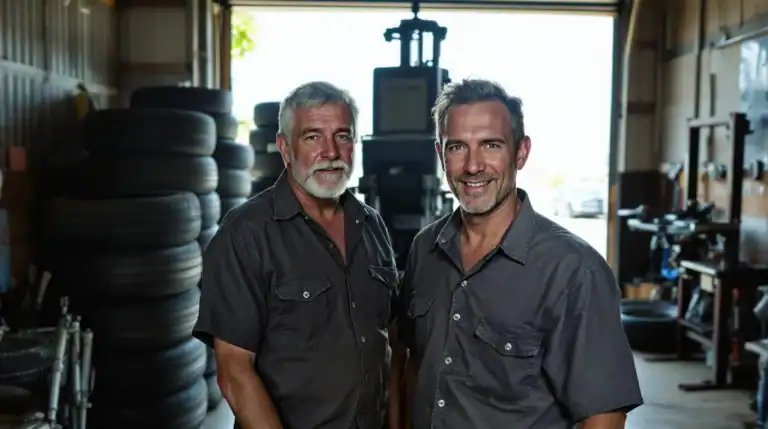
We’re a family-run father-and-son workshop with 18 years in the trade, and we’ve worked on hundreds of Nissan cooling systems. We have the diagnostic equipment to find the real fault fast, which means no wasted money on parts you don’t need. We stock genuine and OEM-spec parts, not cheap substitutes. We offer a satisfaction guarantee: if you’re not happy with the repair, we make it right.
We’re also a one-stop shop for all your vehicle needs. If your cooling issue has damaged your radiator fan or affected your air conditioning efficiency, we can handle that under one roof. Our ARCtick licensed technicians can also service your air conditioning system if needed, and we’re a TMR-approved inspection station if you need your roadworthy checked after major repair work. Beyond Nissan cooling system repair, we provide full vehicle diagnostics, wheel alignments, tyre sales and fitting, and logbook servicing to keep your vehicle running smoothly.
Book Your Nissan Cooling System Repair with TFD Tyre & Mechanical
If your temperature gauge is climbing, your heater isn’t working properly, or you’ve spotted coolant leaks, don’t risk engine damage. Call Us Today or Book Your Free Inspection online. We’ll diagnose the issue, explain what needs to happen, and get your Nissan cooling properly again. We service Mackay and surrounding areas with honest advice and transparent quotes at a fair price.