Brake failure is not a slow fade — it’s a safety event. When you own a Suzuki and feel your brakes losing bite, making noise, or pulling to one side, a Suzuki Brake Specialist inspection becomes urgent. Brakes are the single system between your family and a serious accident. We’ve spent 18 years diagnosing and repairing brake issues across all Suzuki models in Mackay, from Swift city cars to Vitara SUVs. This page explains what brake trouble looks like, what we check, and why having a specialist understand your Suzuki’s brake design matters.
Signs Your Suzuki Needs Brake Inspection
Most people don’t bring their car in for brakes until something feels wrong. That’s fine — we’d rather you act on a warning sign than ignore it. Here’s what to listen and feel for:
- A soft or spongy brake pedal that sinks toward the floor
- Brake fluid warning light illuminated on the dashboard
- Squealing, grinding, or metal-on-metal noise when braking
- The brake pedal feels harder to press than usual
- Your Suzuki pulls to the left or right during braking
- Brake fluid leaking under the vehicle or staining the driveway
- ABS light flashing or staying on
- Vibration or pulsing through the pedal or steering wheel
Even if your brakes feel normal, if it’s been more than two years since your last brake inspection, book one now. Brake pads wear silently until they don’t. Rotors can crack without warning. Fluid degrades over time and absorbs moisture, which reduces stopping power. A Suzuki Brake Specialist doesn’t wait for drama — we inspect before the drama starts.
How We Diagnose Suzuki Brake Problems
Suzuki brake systems are straightforward, but each model has its own specs. A Swift’s brake design differs from a Grand Vitara’s, and we know both cold. Our diagnostic approach starts with listening to you — what did you notice, when did you notice it, how does the pedal feel — then moves to the vehicle.
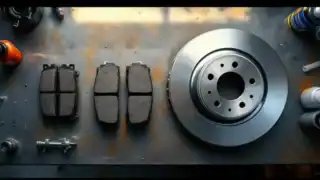
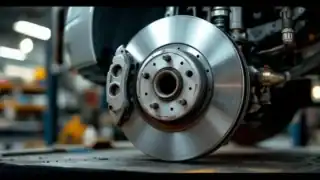
We lift your Suzuki and perform a complete visual inspection of all four wheels. We measure pad thickness and rotor depth with precision tools. We check rotor condition under magnification for scoring, cracking, or uneven wear. We test the brake fluid for contamination and moisture content using a dedicated moisture meter — old fluid can hide inside a perfectly clean-looking brake line. We spin each wheel to feel for dragging callipers or seized pistons. We test the ABS system with our Snap-On diagnostic equipment to see if fault codes are stored and whether the ABS pump and sensors are responding correctly.
For Suzuki models with electronic handbrake systems, we verify that the parking brake mechanism is functioning and not creating drag during normal driving. If your Suzuki has a brake-assist or stability control system, we scan for errors that might trigger warning lights. We’re not guessing — we’re measuring and testing every component that keeps you safe.
What Happens Next: Repair or Replacement
Once we’ve diagnosed the problem, we’ll show you photos, explain what we found, and outline your options. Brake pad replacement is straightforward and affordable. Rotor resurfacing or replacement depends on damage and how much material is left. If your Suzuki has a brake fluid leak, we’ll trace it — it might be a calliper seal, a brake line, or a wheel cylinder — and give you an honest price to fix it.
We use genuine or OEM-specification brake components for Suzuki. Cheap brake pads and rotors wear fast, noise more, and can damage callipers. We don’t cut corners on safety. We’ll explain whether your Suzuki needs original Suzuki parts or a quality equivalent, and the difference in price and longevity.
Cost and Repair Timeframes
Brake work costs vary. A simple pad replacement across all four wheels takes a few hours and sits in the lower to mid range. Rotor replacement adds time and cost. A complete brake fluid flush, calliper overhaul, or brake line replacement takes longer and costs more. We’re transparent — you’ll see an itemised quote before we start work, and we won’t exceed it without talking to you first.
Parts availability rarely delays Suzuki brake repairs. We stock common pads and rotors for Suzuki models. Specialty parts like ABS modules or brake boosters may take a day or two, but we’ll tell you upfront. Most brake jobs are done within 24 to 48 hours. When you’re driving in and around Mackay, getting back on the road safely and quickly matters, and we prioritise that in our scheduling.
Why Choose TFD Tyre & Mechanical for Your Suzuki Brake Needs
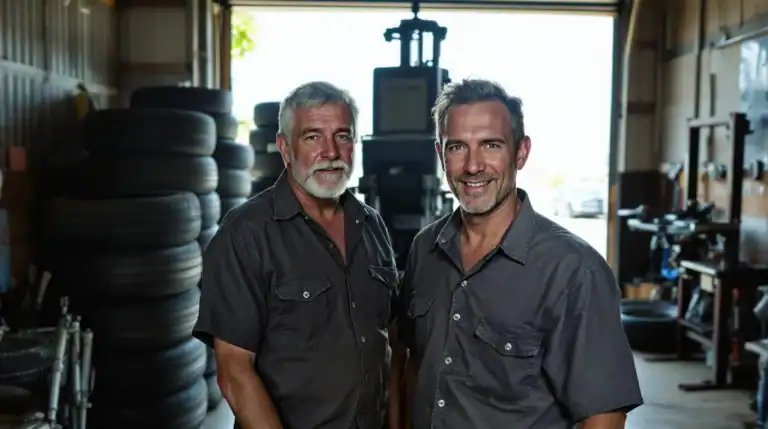
We’re a family-run workshop with 18 years in the trade and a reputation built on honest advice. We own Snap-On diagnostic equipment — the same gear dealerships use — so we find the real fault fast instead of throwing parts at a problem. Every brake repair comes with our satisfaction guarantee. If you’re not happy with the work, we make it right.
We’re a one-stop shop. If your Suzuki needs new brakes and your tyres are worn, we handle both. If you need a wheel alignment after brake work or a roadworthy inspection, we can do that too. You won’t be sent between a tyre place, a mechanic, and an inspection station. You come to TFD Tyre & Mechanical, and we look after everything under one roof.
Our 4.7-star rating across 89+ reviews reflects our commitment to transparent pricing and quality work. When Mackay drivers trust us with their brakes, we don’t take that lightly.
Book Your Suzuki Brake Inspection Today
Brakes are not something to put off. If you’ve noticed a change in your brake feel, heard a noise, or simply haven’t had an inspection in over a year, book a free brake inspection with us now. Call Us Today or Book Your Free Inspection online. We’ll get your Suzuki safe and back on the road.