A clutch that’s starting to slip, judder, or feel spongy under your foot is telling you something important. For Volkswagen owners in Mackay, a clutch replacement isn’t always urgent, but ignoring the warning signs can leave you stranded or facing a much bigger repair bill. We work on Volkswagen clutch replacement regularly, and we’ve learned what separates a simple fix from a costly breakdown. This guide walks you through what’s happening in your car, what to expect from a proper repair, and why getting it sorted early matters.
Signs Your Volkswagen Clutch Needs Attention
Volkswagen clutches tend to show the same red flags as most manual vehicles, but the way they feel in a VW is worth knowing. If your pedal feels soft or sinks to the floor without resistance, or if you notice a burning smell when you’re hill-starting or heavy on the clutch, that’s a signal the friction material is wearing fast.
Other common signs include:
- Difficulty engaging gears, especially when the car is cold or sitting still
- Slipping under load (revs rising without matching acceleration)
- A grinding or chattering noise when you release the pedal
- The clutch engaging very high or very low in the pedal travel
- Loss of drive feel when pulling away, even on flat ground
In Volkswagens, these symptoms often develop gradually. The clutch disc loses its grip slowly, the pressure plate wears unevenly, and the release mechanism can become less responsive. The key is not to wait until the clutch fails completely. Once it goes, you’re looking at a tow and a full replacement under pressure, rather than booking in for scheduled work on your own timeline.
What We Do: Volkswagen Clutch Replacement and Diagnosis
We start with a proper inspection, not guesswork. Our latest Snap-On diagnostic equipment lets us check for clutch-related fault codes in your VW’s onboard systems, which can point us toward a stuck slave cylinder, a hydraulic leak, or a worn pressure plate before we lift the car.
Once the car’s on the hoist, we inspect the clutch assembly from the flywheel up. For most Volkswagens, this means removing the gearbox to access the clutch bell housing. Here’s what we examine:
- Clutch disc – the friction material that grips the flywheel. If it’s worn below the minimum thickness, it’s replaced.
- Pressure plate – the spring-loaded assembly that pushes the disc into engagement. If it’s scored, warped, or worn unevenly, it gets replaced too.
- Flywheel – we check its surface for scoring and heat damage. If it’s heavily damaged, resurfacing or replacement keeps the new clutch performing properly.
- Release bearing – this small bearing wears with the clutch. We always replace it during a full replacement to avoid a second job in a few years.
- Clutch hydraulics – the master and slave cylinders, hoses, and fluid. Leaks here are a common cause of clutch problems in Volkswagens, and we address them before reassembly.
We use genuine Volkswagen or OEM-equivalent parts, never cheap substitutes. The quality difference in clutch components is real. A budget clutch assembly might save you money upfront, but it typically wears faster and doesn’t feel as smooth during engagement. Volkswagen’s engineering specifications for clutch systems are precise, and cutting corners with aftermarket parts often means a rougher pedal feel and shorter lifespan.
Once everything is replaced, we bleed the hydraulic system, adjust the pedal height and free play to VW specification, and test-drive the car through a full range of conditions. You’ll notice the difference immediately: smooth engagement, crisp gear changes, and no slip or judder.
What Affects the Cost and Time for Your Volkswagen Clutch Work
The main variables are the extent of the damage and whether other components need attention. If the flywheel is heat-damaged, resurfacing or replacement adds time. If the hydraulic cylinders are leaking, they need rebuilding or replacement. A straightforward clutch disc and pressure plate replacement with a new release bearing typically takes a day; a job involving hydraulic work or flywheel resurfacing might take longer.
Parts availability for Volkswagen clutches is generally good. We hold common items in stock, but if your model requires a specific assembly, we source it quickly without delays. Using OEM or genuine parts costs more than aftermarket options, but the fit, durability, and warranty coverage are worth it, especially on Volkswagens where precision matters.
We’ll give you a transparent quote before we start work and let you know if we uncover anything unexpected during the job. No surprises, no pressure to upgrade to parts you don’t need.
Why Choose TFD Tyre & Mechanical for Volkswagen Clutch Replacement in Mackay
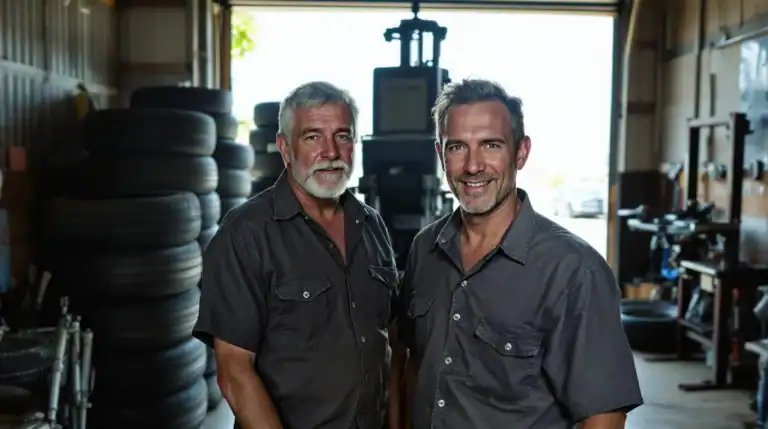
We’re a family-run father-and-son workshop with 18 years in the trade, and we’ve built our reputation on honest advice and transparent quotes. We’re not a dealership, and we’re not pushing the most expensive option. Our goal is to get your Volkswagen back on the road reliably and fairly.
We use genuine and OEM-spec parts, not cheap substitutes that fail early. Our latest Snap-On diagnostic equipment means we find the real fault fast, not guess and replace. As a one-stop shop in Mackay, you don’t need to bounce between a gearbox specialist, a mechanic, and an inspection station. We handle clutch replacements, wheel alignments, tyre sales and fitting, logbook servicing, TMR-approved RWC and COI inspections, and ARCtick-licensed air conditioning all under one roof.
Our customers rate us 4.7 stars across 89 plus five-star reviews. If you’re not happy with the work, we make it right. That’s our satisfaction guarantee.
Next Steps: Book Your Volkswagen Clutch Inspection
If you’ve noticed any of the symptoms above, don’t leave it to chance. Book Your Free Inspection with us and get a clear picture of what your clutch needs. Call Us Today or book online, and we’ll have your Volkswagen sorted.