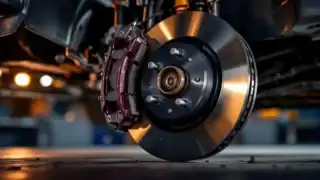
If you’re driving an Audi in Mackay and your brakes don’t feel quite right, the issue could range from worn pads to a failing brake booster or caliper problem. Audi Brake Repair requires a methodical diagnostic approach because Audi’s brake systems are precisely engineered, with modern models relying heavily on electronic brake force distribution and integrated ABS modules. A minor symptom ignored can become a safety issue fast, which is why we inspect every brake complaint with proper diagnostic equipment and a clear eye for what’s actually failing.
Common Signs Your Audi Needs Brake Attention
Brake problems rarely announce themselves in one obvious way. You might notice one or several of these warning signs, and each one points to a different part of the system that needs investigation.
- Soft or spongy brake pedal, or pedal that goes to the floor before stopping
- Brake warning light on the dashboard (often linked to pad wear sensors in newer Audis)
- Grinding, squealing, or metallic scraping sounds when braking
- Pulling to one side when you brake (sign of uneven pad wear or caliper sticking)
- Brake fluid leaking under the vehicle or visible drips on your driveway
- Reduced braking power or longer stopping distances
- Pulsing sensation through the brake pedal (warped rotors or ABS activation)
Some Audi models, especially those with electronic parking brake systems, also throw coded faults that look obvious on a scan tool but don’t always mean you need an expensive repair. That’s where proper diagnosis saves you money.
What We Check During an Audi Brake Inspection
When you bring your Audi in for brake repair, we don’t just look at pad thickness and call it done. Our process is built around finding the actual fault, not guessing.
We start with a full vehicle diagnostic scan using Snap-On equipment, which reads Audi’s specific brake modules and fault codes. Modern Audis log a lot of information about brake performance, and these codes often tell us exactly which component failed or is failing. From there, we physically inspect the brake components: pad condition and wear patterns, rotor thickness and run-out (warping), caliper slides and seals, and brake line condition. On vehicles with electronic parking brakes or ABS systems, we test the sensors and module function to make sure the electronics aren’t the root cause.
For Audi, brake fluid condition matters too. Audi brake systems are sensitive to moisture in the fluid, and contaminated fluid can degrade performance over time. We check fluid condition as part of our inspection and recommend flushing if needed.
Once we’ve identified the fault, we explain exactly what we found and what repair options are available. You’ll know before we start work whether you need pads alone, rotors resurfaced or replaced, a caliper rebuilt or swapped, or something more involved.
Genuine Audi Parts vs Aftermarket: What Makes the Difference
Audi brakes are engineered to very tight tolerances. A genuine Audi rotor, for instance, is made to specific thickness, metallurgy, and thermal properties that match your car’s stopping power and ABS logic. Aftermarket parts that look identical often don’t meet those specs, and you can end up with soft brakes, premature wear, or brake issues a few months later.
We fit genuine Audi-spec or equivalent OEM parts, not cheap substitutes. That matters for your safety and your wallet in the long run. Your Audi’s brakes were designed to work a certain way, and we respect that design when we repair them.
What Affects Cost and Turnaround Time for Audi Brake Repair
Brake repair cost and time depend on what’s actually failed. A pad-and-rotor job might be done the same day. A caliper replacement or brake line repair can take longer if we need to source a genuine Audi part or if the work involves other components we uncover during disassembly.
We always quote you upfront after the inspection so you know exactly what you’re paying for and why. Some workshops charge extra for diagnostics; we include the scan and inspection in our quote because we believe you should know the fault before deciding whether to proceed.
Parts availability in Mackay can affect timing on rare Audi models, but for mainstream Audi vehicles (A3, A4, A6), parts are usually in stock or available within a day or two. We’ll give you a realistic timeframe once we know what we’re fixing.
Why Choose TFD Tyre & Mechanical for Your Audi Brake Repair
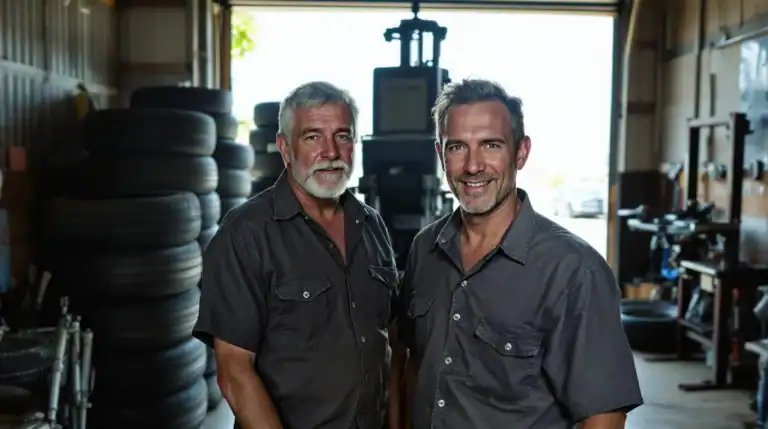
We’re a family-run father-and-son workshop with 18 years in the trade, and we’ve seen Audi brakes from every angle. We invest in the diagnostic equipment that reads what Audi systems are actually doing, not just what a basic scan tool tells us. Our Snap-On diagnostic kit lets us pinpoint the exact fault quickly, which saves you money on unnecessary parts and guesswork.
We fit genuine and OEM-spec parts because your safety depends on brake quality. We’ll explain what you need and why, give you an honest quote with no hidden costs, and back our work with a satisfaction guarantee. If you’re not happy with the repair, we make it right.
Being a one-stop shop matters too. If your brake issue links to wheel alignment or tyre condition (which it sometimes does), we can handle that in-house rather than sending you somewhere else. We’re also a TMR-approved inspection station, so if you need a roadworthy certificate after brake work, we can do that on the spot.
Our 4.7-star rating from over 89 five-star reviews reflects how seriously we take your vehicle and your safety. We’ve built our reputation on honest advice, transparent pricing, and work that lasts.
Next Steps: Book Your Audi Brake Inspection in Mackay
If your brakes are showing any of the signs above, don’t wait. Brake problems get worse, not better, and safety is not negotiable. Book Your Free Inspection with us online or Call Us Today to discuss what you’ve noticed. We’ll get your Audi on the hoist, find the real fault with proper diagnostics, and give you a clear quote before we start work. That’s how we do things here in Mackay.