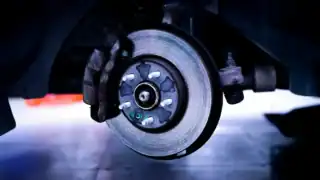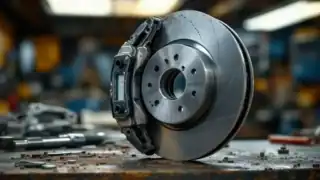
Land Rover brake repair is one of the most safety-critical services your vehicle needs. When your Discovery, Range Rover, Defender, or Evoque isn’t stopping as it should, the entire vehicle becomes unpredictable on Mackay roads. Brake systems on Land Rovers are engineered for durability across varied terrain and weather, but they do wear, and they need professional attention the moment you notice any sign of trouble. We diagnose and repair Land Rover brake faults using Snap-On diagnostic equipment to pinpoint the exact cause, then fit genuine or OEM-spec parts to restore full stopping power.
What are the warning signs your Land Rover needs brake work?
Most drivers ignore early brake symptoms because they assume a car will still stop. That’s dangerous thinking. A soft or spongy brake pedal, a hard pedal that requires extra pressure, or brakes that fade when you need them most aren’t minor inconveniences—they’re red flags that something is failing.
- Brake pedal feels soft, spongy, or goes to the floor
- Grinding or squealing noises when braking, especially in wet weather
- Brake warning light on the dashboard (amber or red)
- Uneven braking or pulling to one side when you brake
- Longer stopping distances than normal
- Brake fluid leaks (wet spots under the vehicle)
- Vibration or pulsing in the brake pedal when braking hard
Land Rovers, particularly Defenders and Discovery models, are regularly driven in conditions—rough terrain, towing, heavy loads—that put extra strain on brake systems. If you’ve been doing any of that, have the brakes inspected sooner rather than later.
How Land Rover brake repair works at our Mackay workshop
We don’t guess at brake faults. Every Land Rover brake repair starts with a full system inspection and diagnostic test using our Snap-On equipment. This approach finds the real problem fast, rather than replacing parts you don’t need.
Here’s what we check. First, we visually inspect the brake pads and rotors on all four wheels for thickness and wear. Land Rovers typically need pad replacement every 30,000 to 50,000 kilometres depending on driving style, but we measure yours to see where you actually sit. Second, we test brake fluid condition. Land Rover hydraulic systems are sensitive to moisture and contamination; if the fluid’s degraded, the whole system suffers. We check for air in the lines, which causes that spongy pedal feel. Third, we inspect the brake booster (the vacuum-assisted mechanism that gives you easy pedal pressure) and the master cylinder, which are common failure points on older Defenders and Discovery models.
If you’re experiencing uneven braking or pulling, we check the callipers for stiction or leaks, and inspect the brake hoses for cracks or bulging. For Land Rovers with ABS or electronic stability control, our diagnostic equipment reads the system codes and tells us exactly which component is misbehaving—wheel speed sensors, ABS modulators, or control modules.
Once we know what needs fixing, we explain it plainly. If it’s just worn pads, that’s a straightforward job. If the booster is failing or calipers are seizing, we walk you through what that means for safety and cost. We use genuine Land Rover parts or OEM-spec equivalents, never cheap substitutes that compromise braking performance.
What affects the cost and time for your brake repair?
Several factors change what a brake repair costs and how long it takes. The most obvious is which components need replacing. Brake pads alone are relatively quick and affordable. A brake booster replacement, callipers, or master cylinder work takes longer and costs more because it involves more labour and higher-priced parts.
Parts availability matters too. Genuine Land Rover parts ship quickly in most cases, but if your vehicle is an older Defender or a specialised model, we may source OEM-spec alternatives that meet the same specifications at fair cost. Brake fluid flushes (recommended every two years or when contamination is found) add time but protect the whole system.
The complexity of your model affects labour time. Newer Range Rovers with electronic brake systems take longer to diagnose and recalibrate than a Defender with a simpler setup. Towing or heavy-duty use history can mean brake components are worn harder and need replacement sooner.
We always quote before we start work, so you know the cost and timeline upfront. No surprises.
Why trust TFD Tyre & Mechanical for Land Rover brake repair in Mackay
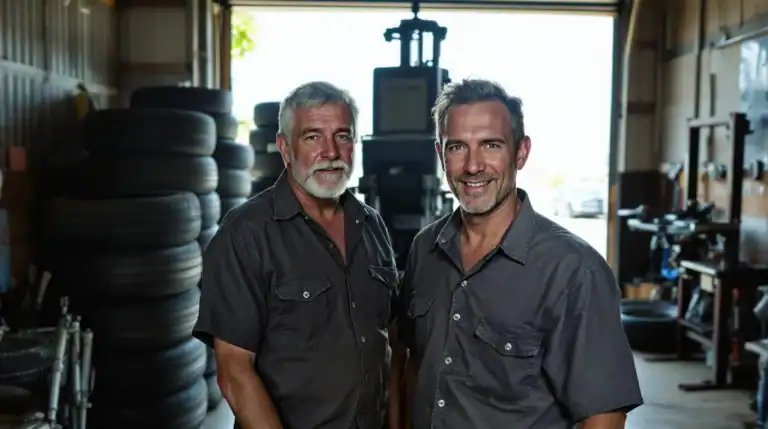
We’re a family-run workshop with 18 years in the trade. Mark and Elijah know Land Rovers inside out because we see them regularly—Defenders crossing rough country, Discovery models carrying families on long drives, Range Rovers navigating Mackay’s coastal and rural roads.
Our Snap-On diagnostic equipment is the same gear used in major dealerships. It reads Land Rover-specific codes and data that tell us exactly what’s failing, which means we don’t waste your time or money replacing parts that are fine. We fit genuine or OEM-spec parts, never cheap pads or rotors that wear fast and reduce braking feel.
As a one-stop shop, we handle brakes alongside tyres, mechanical work, wheel alignments, and RWC and COI inspections, so if your brake issue is connected to suspension wear, tyre condition, or alignment, we catch and fix that too. We’re TMR-approved for roadworthy inspections, which matters because a brake fault will fail you on a safety check.
Most importantly, we back our work with a satisfaction guarantee. If you’re not happy with the repair, we make it right.
Book your Land Rover brake inspection in Mackay today
If your brakes feel soft, sound wrong, or you’ve seen the warning light, don’t wait. Call Us Today or Book Your Free Inspection online. We’ll diagnose the fault, explain exactly what needs fixing, and get your Land Rover stopping safely again.