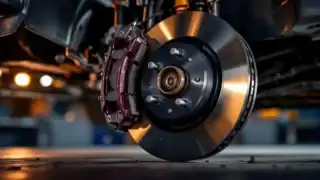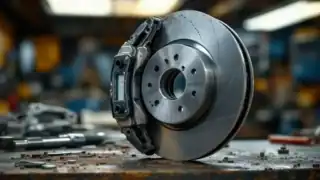
Honda brake repair is one of those services that sits at the intersection of safety and reliability. When your Honda’s brakes aren’t working as they should, it’s not a problem you can put off or hope will fix itself. Whether you’re noticing a soft pedal, a grinding noise, or just a feeling that something’s changed when you slow down, getting a proper inspection from our team in Mackay will pinpoint exactly what needs attention and what’s safe to leave alone.
Warning Signs Your Honda Needs Brake Service
Honda brake systems are generally well-engineered, but they do show wear patterns and develop faults just like any other vehicle. The symptoms that bring owners in are pretty consistent, and recognising them early saves money and keeps you safe on the road.
- Soft or spongy brake pedal that sinks toward the floor when you press it
- Grinding, squealing, or metallic noise when braking
- Brake pedal feels lower than usual or needs more pressure to stop
- Visible brake fluid leak underneath the vehicle or around the wheels
- Pulsing or vibration through the pedal under braking
- Dashboard brake warning light staying on or flashing
- Uneven braking or pulling to one side when you apply the brakes
Some of these symptoms point to specific faults. A soft pedal usually means air in the brake lines or a problem with the master cylinder. Grinding suggests the brake pads are worn right down to the rotors. Pulsing often indicates warped brake discs. The warning light might be triggered by low fluid level, a faulty sensor, or a genuine brake system fault. None of these should be ignored.
How We Diagnose and Repair Honda Brakes in Mackay
When you bring your Honda in for brake work, our first step is always a full brake system inspection. We’re not guessing or replacing parts on the hope that one of them was the problem. We use our Snap-On diagnostic equipment to scan the brake control module and identify any fault codes being stored. This tells us whether the issue is mechanical, hydraulic, or electrical.
From there, we physically inspect every component. We measure brake pad thickness and rotor wear, check brake fluid colour and level, look for leaks in lines and cylinders, and test the parking brake system. For Honda vehicles specifically, we pay attention to the brake booster function, which Honda models use extensively. A faulty booster or a leaking booster seal is a common repair on some older Honda models, and diagnosing this correctly saves you replacing parts that aren’t the problem.
Once we know what’s wrong, we’ll walk you through what needs fixing and why. That might be new brake pads and rotor resurfacing, a master cylinder replacement, a brake line repair, bleeding the system to remove air, or a full brake booster replacement. We use genuine Honda parts or OEM-equivalent components that meet Honda’s specifications exactly, not cheap substitutes that feel different or wear faster.
The repair itself varies depending on what we’ve found. Brake pad and rotor work is straightforward and tends to be quicker. Master cylinder or booster replacement takes longer because those components sit deeper in the system. Fluid flushing and bleeding ensures the system is free of air and contamination. Throughout the work, we’re testing as we go. Once everything’s done, we test-drive your Honda to make sure the brake feel is right and the system responds properly.
What Affects Cost and Time for Honda Brake Repair
Several factors change how long Honda brake repair takes and what it costs. The first is what actually needs repair. If it’s just pads and rotors, you’re looking at one of the quicker jobs. If the master cylinder, booster, or brake lines are involved, the work is more involved and takes longer. Parts availability matters too. Genuine Honda components usually arrive quickly, but if we need to special-order something specific to your model, that adds a day or two.
The age and condition of your Honda also plays a role. Older models sometimes have seized callipers or corroded brake lines that require extra work to free up or replace safely. A newer Honda with straightforward brake wear is faster. Whether you choose genuine Honda parts versus quality aftermarket equivalents can affect cost slightly, though we always recommend genuine parts because they’re engineered to Honda’s specifications and last longer.
We’ll give you a transparent quote before we start any work, so you’ll know exactly what’s involved and what it’ll cost. No surprises, no hidden charges.
Why Choose TFD Tyre & Mechanical for Your Honda Brakes
We’re a family-run workshop with 18 years of hands-on experience working on Hondas and every other make on the road in Mackay and the surrounding areas. That experience means we spot Honda-specific issues fast and know the right way to fix them first time. We have the Snap-On diagnostic gear to find the real fault quickly rather than replacing parts and hoping, we use genuine Honda parts or OEM-equivalent components that guarantee you get the right spec for your model, and we’re a genuine one-stop shop for mechanical work, tyres, alignments, and inspections, so you’re not sent between different places.
We stand behind our work with a satisfaction guarantee. If you’re not happy with the repair or you have questions about what we’ve done, we make it right. Your safety and trust matter more to us than a quick job, and that’s how we’ve built our reputation in the local community. Our 4.7-star rating across 89 plus reviews speaks to the quality of work and customer care we deliver on every job, from routine brake pad replacement to complex hydraulic system repairs.
Get Your Honda’s Brakes Inspected Today
If you’ve noticed any of the warning signs or you’re just due for a brake check, call us today or book your free inspection online. We’ll get your Honda sorted quickly and safely, and you’ll drive away knowing your brakes are doing their job properly.