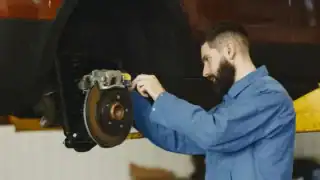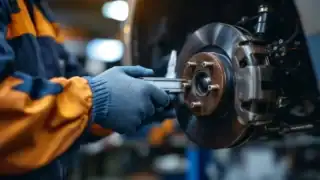
Your Hyundai’s braking system is built to last, but brake pads, rotors, and fluid all wear down over time. When you need a Hyundai brake replacement in Mackay, you’re dealing with one of the most safety-critical systems on your vehicle. We inspect and replace Hyundai brake components using genuine and OEM-spec parts that match your vehicle’s exact specifications, making sure your car stops reliably every time you press the pedal.
When Do Your Hyundai Brakes Need Replacing?
Most Hyundai models are fitted with either disc brakes on the front and drums on the rear, or full disc brakes depending on your model year and trim level. Recognising the warning signs early stops a small pad wear problem from becoming a rotor damage issue that costs far more to fix.
- Squealing or squeaking sounds when braking, especially on cold mornings
- A grinding noise that suggests pads have worn metal-to-metal against the rotor
- A soft or spongy brake pedal that feels lower than normal
- The brake warning light illuminated on your dashboard
- Visible rust or corrosion on brake rotors after the vehicle has sat for a few days
- Brake pedal vibration or pulsing under braking
- Longer stopping distances or a feeling that brakes aren’t as responsive as they used to be
Hyundai vehicles typically show brake pad wear between 30,000 and 70,000 kilometres depending on your driving style and road conditions around Mackay. Aggressive braking, frequent city driving, or towing work it harder. Highway driving is gentler on brake components. Check your owner’s handbook for your specific logbook interval recommendations, but don’t wait for a scheduled service if you notice any of these warning signs.
How We Diagnose and Replace Your Hyundai Brake System
When you bring your Hyundai in, we start with a complete brake inspection rather than just pulling off the pads. Our latest Snap-On diagnostic equipment lets us check your brake fluid condition, measure rotor thickness, and inspect caliper operation to understand the full picture of what’s happening underneath.
The inspection process looks like this:
- Check brake fluid colour and condition. Hyundai systems use DOT 3 or DOT 4 fluid depending on your model, and fluid that’s dark brown or smells burnt is a sign of moisture contamination and needs replacing
- Measure rotor thickness with precision tools. Hyundai rotors have a minimum thickness specification, and if they’re at or below that limit, replacement is necessary, not optional
- Inspect pad thickness on all wheels and look for uneven wear patterns that might indicate caliper or wheel alignment problems
- Test the brake pedal feel and bleed the system if fluid condition warrants a flush
- Check wheel cylinders on rear drum brakes for leaks or corrosion
Once we’ve diagnosed the issue, we give you an honest, transparent quote before we start work. If your Hyundai needs new pads only, that’s straightforward. If rotors are worn or damaged, we replace them to OEM specifications. If the brake fluid is old or contaminated, we’ll recommend a fluid flush and bleed to restore proper system function and safety. We use genuine Hyundai-spec brake pads and rotors or equivalent OEM-quality parts, never cheap substitutes that won’t last and don’t perform like your vehicle deserves.
What Influences the Cost and Timeline for Your Brake Job
The variables that affect your final cost and how long the job takes come down to a few factors. A simple front pad and rotor replacement on a Hyundai i30 is a faster job than a full four-wheel replacement on a Tucson, especially if the rear brakes involve drum removal and wheel cylinder inspection. If your rotors are warped or damaged, that’s an extra cost compared to just replacing pads.
Brake fluid condition also matters. If the fluid is old and needs flushing, that adds time to the job because we bleed the entire system to remove air and contaminants. Parts availability is rarely an issue for Hyundai models in Mackay, but if your vehicle is older or needs a specific component, we’ll source it quickly so you’re not left waiting.
We always give you the full picture upfront. You’ll know what’s needed, why, and what it costs before we turn a spanner. No hidden charges, no surprise invoices.
Why TFD Tyre & Mechanical Handles Your Hyundai Brake Replacement in Mackay
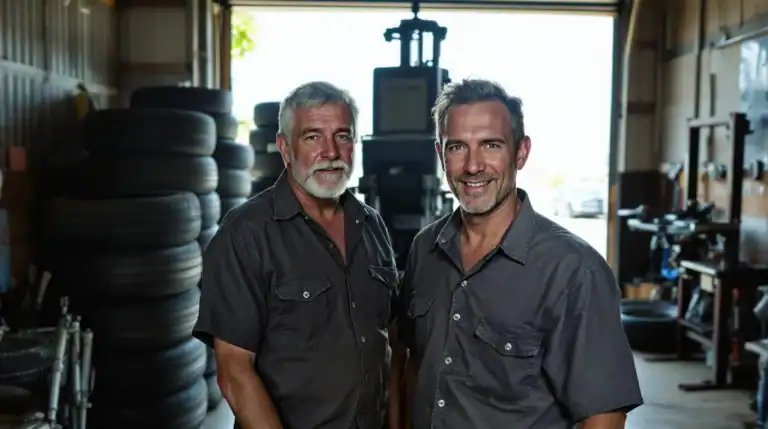
We’re a family-run workshop with 18 years in the trade, and we specialise in honest advice and transparent quotes at a fair price. When you bring your Hyundai in, you’re dealing with experienced technicians who understand Hyundai’s brake architecture and common wear patterns specific to how these vehicles perform in our local area.
Because we’re a one-stop shop, you can handle your tyres, wheel alignments, mechanical repairs, and air conditioning all under one roof. If a brake problem is connected to a wheel alignment issue or suspension wear, we can spot that and fix both. We use genuine and OEM-spec parts, and our satisfaction guarantee means if you’re not happy with the result, we make it right.
We’re also TMR-approved for RWC and COI inspections, so if you need a roadworthy certificate alongside your brake replacement, we can do both without sending you elsewhere. Our Snap-On diagnostic equipment finds the real fault fast, cutting through guesswork and getting straight to the solution your Hyundai actually needs. With over 89 five-star reviews, our customers trust us to get the job done right.
Book Your Hyundai Brake Inspection Today
Don’t ignore brake warning signs or put off a replacement you know is due. Call Us Today to discuss your Hyundai’s braking system, or Book Your Free Inspection online and let us diagnose what your vehicle needs. We’ll get you back on Mackay’s roads with brakes you can trust.