Japanese vehicles brake replacement is one of the most critical maintenance tasks you’ll face as a vehicle owner. Brakes are a safety system that directly affect whether you, your passengers, and other road users get home safely. When your Japanese vehicle’s brakes need attention, the difference between quality work and quick work is the difference between reliable stopping power and brake fade or failure. At TFD Tyre & Mechanical in Mackay, we specialise in brake work across all Japanese makes, using proper diagnostics to identify what actually needs replacing rather than replacing parts that still have life left in them.
When Do Japanese Vehicle Brakes Need Replacement?
Most drivers notice brake problems because something feels or sounds different. Your brakes might tell you they need attention in several clear ways. Listen for what’s happening when you press the pedal.
- Squealing or squeaking sounds, especially in wet weather or when braking lightly
- Grinding or metal-on-metal sounds that mean pads have worn through to the rotor
- A soft or spongy brake pedal that sinks further toward the floor than it used to
- Brake pedal pulsing or vibration through your foot when braking
- Longer stopping distances or feeling like the brakes aren’t as responsive as before
- A brake warning light on your dashboard
- Visible rust or scoring on brake rotors when you look through the wheel
Japanese vehicles, whether you’re driving a Toyota, Nissan, Mazda, Honda, or Mitsubishi, all follow similar brake-wear patterns. Pads typically last 30,000 to 70,000 kilometres depending on your driving style, terrain, and whether you use mostly highway or city roads. Stop-start city driving wears pads faster than steady-speed driving. Some Japanese models are also prone to uneven pad wear if suspension components have play or wheel alignment is off, which is why we always check alignment as part of brake diagnosis in our Mackay workshop.
How We Diagnose and Replace Japanese Vehicle Brakes
When you bring your Japanese vehicle in for brake work, we don’t just replace what’s obviously worn. We inspect the entire brake system using the same methodical approach we apply to every safety-critical service.
First, we lift the vehicle and remove the wheels so we can see what’s actually happening. We measure brake pad thickness against manufacturer specifications for your model. We inspect brake rotors for scoring, warping, or rust. Japanese vehicle brake rotors vary by model; some Toyota and Lexus models use larger rotors than equivalent Nissan or Mazda vehicles, and rotor thickness limits differ too. We measure rotor thickness against OEM specifications to determine whether it’s safe to resurface or needs replacement. We also check brake fluid colour and condition, as dark or milky fluid means moisture has entered the system and the fluid needs replacing.
We then inspect brake hoses for cracks or swelling, check that calipers are operating freely without sticking, and verify that the brake proportioning valve and master cylinder are functioning correctly. If we find issues beyond simple pad or rotor replacement, we’ll explain exactly what we found, why it matters for your safety, and what your options are. We never push expensive repairs you don’t need, and we never hide problems to make a job cheaper.
Once we’ve diagnosed the issue, we source genuine or OEM-spec replacement parts matched to your Japanese vehicle’s exact model and year. We fit brake pads with the correct friction rating, replace rotors if they can’t be resurfaced safely, and bleed the brake system if we’ve disconnected any hoses or replaced the master cylinder. For Japanese vehicles, this attention to specification matters because brake feel and stopping distance depend on having the right pad compound for your vehicle’s brake system design.
What Affects Brake Replacement Cost and Time in Mackay
Several factors influence how much your Japanese vehicle brake replacement will cost and how long the job takes. We’re transparent about this upfront so you’re not surprised when we provide a quote.
The biggest variable is whether you need just pads, pads and rotors, or additional work. A simple brake pad replacement takes a few hours. If rotors need replacement or resurfacing, fluid needs flushing, or calipers need attention, the job extends. The condition of your brakes when you bring the vehicle in also matters. If you’ve driven with worn pads long enough that they’ve damaged the rotor surface, the cost increases because the rotor can’t be saved.
We always offer both genuine OEM-spec parts and quality aftermarket alternatives. Genuine parts are typically more expensive but guarantee exact fit and performance for your Japanese model. Aftermarket parts can offer good value without sacrificing quality, though availability sometimes adds a day or two if we need to order parts. We’ll discuss both options with you and let you choose.
Parts availability is usually quick for common Japanese vehicles like Toyota and Nissan. Less common models or older vehicles might require ordering, which we’ll flag when we diagnose your brakes. We also factor in whether you need new brake fluid, which adds time but is essential if the system has been open or if fluid condition is poor.
Why Choose TFD Tyre & Mechanical for Japanese Vehicle Brake Work
We use latest Snap-On diagnostic equipment to measure brake wear, rotor thickness, and system function accurately rather than guessing. Accurate diagnosis means you get exactly what your brakes need, nothing more and nothing less. We fit genuine and OEM-spec parts matched to your Japanese vehicle’s specifications. Our satisfaction guarantee means if you’re not happy with the work, we make it right. We’re also a TMR-approved inspection station, so if your brake work is part of a roadworthiness inspection for a vehicle sale, the inspection carries full authority with no comeback.
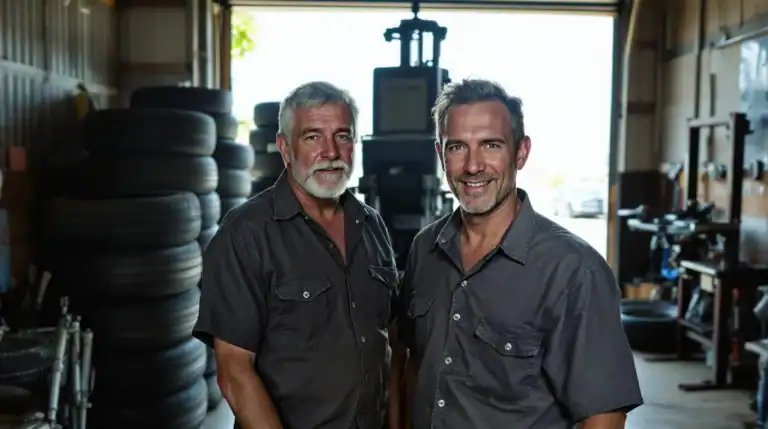
As a family-run father-and-son workshop with 18 years in the trade, we’ve built our reputation on honest advice and transparent quotes at a fair price. We don’t pressure you into expensive options, and we don’t hide costs or complications. We work on Japanese vehicles regularly, so we understand how different brands feel and perform on the road, and we respect the engineering that went into your vehicle. Our 4.7 star rating from over 89 five-star reviews reflects our commitment to getting brake work right every time.
Book Your Japanese Vehicle Brake Inspection in Mackay Today
If you’ve noticed any of the warning signs above, or if it’s been a while since your Japanese vehicle’s brakes were checked, book your free inspection with us. Call Us Today or Book Your Free Inspection using our online booking system to find a time that suits you. We’ll give you a transparent quote and honest advice on what your brakes actually need.