Family-Run & Trusted
Genuine & OEM Parts
5★ Reviews
Satisfaction Guaranteed

Verified 5★ Reviews

Affordable Hyundai Radiator Repair In Mackay

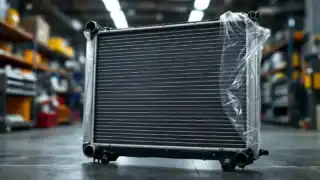
Your Hyundai's radiator keeps the engine cool and running smoothly. We diagnose leaks, blockages, and failures with precision diagnostics, then repair or replace with genuine parts to prevent costly engine damage.

Expert Diagnostics

Honest Advice

5★ Reviews

Hyundai Radiator Expertise

Book Your Free Inspection

Fill in the form and we'll get back to you shortly. No obligation.

Booking Form
  • Vehicle Details
  • Confirm Vehicle
  • Services
  • Contact Details
Transparent Quotes
Quality Parts Used
Satisfaction Guarantee

Why Book With Us

Book Your Free Inspection
Drop Off Your Car
We Get to Work
Back on the Road

A radiator that’s failing puts your Hyundai at real risk of overheating, which can damage the engine and leave you stranded. Hyundai radiator repair in Mackay is one of those services that often creeps up quietly — a small leak or a gradual loss of cooling efficiency — until your temperature gauge climbs and warning lights come on. The radiator is the core of your cooling system, and when it starts to fail, the whole car suffers. We’ve seen plenty of Hyundai owners come in with early warning signs they missed, so understanding what to watch for and when to act can save you a lot of trouble and expense.

Common Warning Signs Your Hyundai Radiator Needs Attention

Your radiator doesn’t usually fail without giving you clues. The trick is spotting them before you overheat on the road. Here’s what to look for:

  • Coolant leaks under the car, especially a bright green or orange fluid pooling beneath the front end
  • The temperature gauge creeping towards the hot zone, or the engine temperature warning light coming on
  • Visible rust, corrosion, or white crusty buildup on the radiator core itself
  • The heater blowing cold air even after the engine has warmed up
  • A sweet smell coming from the engine bay (that’s coolant burning off)
  • Overheating that only happens in heavy traffic or when the air-con is running hard

Some of these signs point to a radiator leak, others to internal blockages or failing seals. Hyundai models are fairly straightforward in their cooling layout, but the exact diagnosis depends on which generation and model you own. That’s why a proper inspection matters – not every temperature spike is the radiator’s fault, and not every leak needs a full replacement.

How We Diagnose and Repair Hyundai Radiator Problems

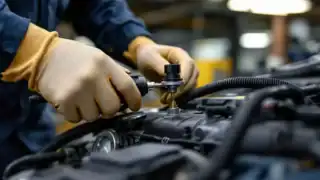
When you bring your Hyundai in with cooling concerns, we start with a full visual inspection and system pressure test. We look for obvious leaks, corrosion on the core, and damage to the fins. Then we hook up a cooling system pressure tester to see if the radiator is holding pressure as it should. This step is crucial because a slow weep might only show up under load.

For Hyundai vehicles, we also check the radiator cap and hoses, since failed caps and brittle hoses are common culprits in cooling failures. The cap maintains system pressure, so a weak cap can cause the same symptoms as a radiator leak. Our Snap-On diagnostic equipment lets us run a full system check quickly and accurately, so you know exactly what’s wrong before we start any work.

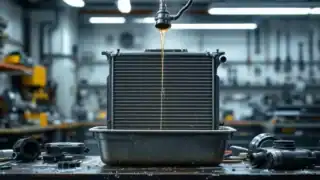
If the radiator itself is damaged or blocked, we’ll recommend either a repair (if it’s a small leak that can be sealed) or a replacement. For Hyundai radiator repair or replacement, we use genuine or OEM-equivalent parts that match the original specifications for your model. This matters because aftermarket radiators sometimes don’t fit as precisely or perform as reliably, especially in Hyundai’s cooling design. We’ll also flush the coolant system and refill it with the correct coolant type for your vehicle – Hyundai models have specific coolant requirements, and using the wrong type can cause problems down the track.

The repair or replacement itself typically takes a few hours, depending on how accessible the radiator is on your model and whether any other components need attention. We keep you informed about what we find and what needs doing, so there are no surprises.

What Affects the Cost and Time for Hyundai Radiator Service

Several factors shape both the timeframe and the cost of a radiator repair or replacement. The first is parts availability – if we need to order a genuine Hyundai radiator, it usually arrives within a day or two, but we’ll let you know upfront if there’s a delay. The second is the extent of the damage. A small puncture that can be sealed takes less time and money than removing the radiator, flushing the system, and fitting a new unit.

Your Hyundai’s model also plays a role. Some models have the radiator positioned where it’s quick to access; others require removing other components first. An older Hyundai might also need new hoses or clips while we’re in there, which adds time but protects your cooling system long-term. We quote honestly before starting any work, so you’ll know the scope and cost before we turn a wrench.

Whether you choose a genuine Hyundai radiator or an OEM-equivalent part will also affect cost. We stock both options and can discuss the trade-offs with you – genuine parts carry full peace of mind, while quality OEM alternatives can offer good value without compromising reliability.

Why TFD Tyre & Mechanical Handles Hyundai Radiator Repair Right

We’re a family-run workshop with 18 years in the trade, and we’ve worked on hundreds of Hyundai vehicles across Mackay and the surrounding area. Our team knows Hyundai cooling systems inside out, from common failure points to how each model responds to diagnostics and repair. We use latest Snap-On diagnostic equipment to find the real fault fast, so you don’t pay for guesswork or unnecessary parts replacements.

We stock genuine and OEM-spec parts, not cheap substitutes that fail early and leave you back in our chair in six months. Because we’re a one-stop shop with tyres, mechanical work, wheel alignments, RWC and COI inspections, and air conditioning all under one roof, you’re not sent bouncing between specialists. If your cooling problem is tied to a blocked heater core or an air-con issue, we can handle that too. We give honest advice at a fair price, and if you’re not happy with the work, we make it right – that’s our satisfaction guarantee. With over 89 five-star reviews, you can trust that we stand behind every job.

Book Your Hyundai Radiator Repair in Mackay Today

Don’t ignore coolant leaks or temperature warnings. The longer a radiator problem sits, the more damage it does to your engine. Call Us Today to discuss what you’ve noticed, or Book Your Free Inspection online and we’ll run a full diagnostic to pinpoint exactly what needs fixing. TFD Tyre & Mechanical is here to keep your Hyundai reliable.

Other Services

Whatever your needs we have you covered, see some similar services below or click "See All Services" to explore our full service offering.

Honest Mechanics Mackay Drivers Rely On

Family-run by Mark and Elijah with 18 years in the trade, we give you straight answers, fair prices, and quality parts — not the runaround.

Honest, Upfront Quotes

You’ll know exactly what’s needed and what it costs before we touch your car.

Latest Snap-On Diagnostics

Bring your vehicle in and we’ll assess it and give you a clear, honest quote upfront.

OEM-Spec Cooling System Parts

We fit genuine Hyundai parts matched to your model, so your cooling system runs reliably.

How Hyundai Radiator Repair Works

From diagnosis to completion, we get your Hyundai's cooling system back to working properly.

Step 1

Book Your Free Inspection

Book your free inspection to diagnose radiator faults and get a clear picture of cooling system needs.

Step 2

Cooling System Diagnosis

We pressure test your radiator, check coolant condition, and scan for Hyundai-specific engine fault codes.

Step 3

Radiator Repair or Replacement

We repair leaks, flush contaminated coolant, or fit genuine Hyundai-spec radiators to restore cooling function.

Step 4

Quality Check and Collection

We test your cooling system under load, confirm stable temperatures, and hand over your vehicle ready.

Rated 4.7 Stars by Our Customers

Verified 5★ Reviews

Quality Parts From Trusted Suppliers

We fit genuine and OEM-spec parts sourced from reputable suppliers. No cheap substitutes - just quality components that do the job properly.

Book Your Free Inspection

Fill in the form and we'll get back to you shortly. No obligation.

Booking Form
  • Vehicle Details
  • Confirm Vehicle
  • Services
  • Contact Details
Transparent Quotes
Quality Parts Used
Satisfaction Guarantee

Why Book With Us

Book Your Free Inspection
Drop Off Your Car
We Get to Work
Back on the Road

Got Questions? We Have Answers

Browse the questions below for quick answers about our services. If yours isn't listed, give us a call and we'll sort you out.

Most radiator repairs take between 1-3 hours depending on whether we’re flushing the system, replacing hoses, or installing a new radiator. Simple leak repairs can often be done same-day. Once we’ve diagnosed the issue with our diagnostic equipment, we’ll give you a realistic timeframe before we start work so you know exactly how long to expect.

Watch for coolant leaks under your vehicle, steam coming from the engine bay, the temperature gauge running hot, or your cabin heater suddenly blowing cold air. A sweet smell near the engine is also a red flag. These symptoms mean the cooling system isn’t doing its job, and driving on an overheating engine can cause serious damage. Get it checked soon.

Under Australian consumer law and ACCC guidance, having your vehicle serviced at a qualified independent workshop generally does not void manufacturer warranty, provided the work meets the vehicle’s service schedule and uses appropriate parts. For peace of mind, we recommend checking your specific warranty paperwork or contacting Hyundai directly about your situation, as warranty terms can vary. We use genuine and OEM-spec parts to keep your cooling system reliable.

We’ll start by pressure-testing the cooling system to find the leak or blockage. If it’s a hose or clamp, we’ll replace it. For a faulty radiator, we remove the old one and install a genuine or OEM-equivalent replacement, then flush the system with fresh coolant. We’ll test the whole system before you leave to make sure temperature control is working properly.

Small leaks in hoses or connections can often be sealed by replacing the hose, clamp, or gasket. However, if the radiator core itself is damaged or corroded, patching won’t hold and replacement is the safest option. We inspect the damage first to recommend the most cost-effective fix. Using sealants or stop-leak products is only a temporary measure and can cause bigger problems later.

Hyundai typically recommends a coolant flush every 60,000-80,000 kilometres or every 2 years, whichever comes first. This keeps the system clean and your coolant effective. Regular flushes help prevent rust, corrosion, and expensive radiator failures. Check your logbook for the exact service schedule for your model, and we’ll make sure it’s done on time during your regular services.

Certain Hyundai models can experience radiator corrosion or coolant leaks earlier than other brands, particularly in the core or at connection points. We’ve seen quite a few Hyundais come through needing radiator work sooner than expected. Sticking to regular coolant flushes and using the correct coolant type for your model helps prevent this. If your Hyundai is showing cooling symptoms, don’t delay getting it inspected.

Hyundai specifies particular coolant types depending on your model year, so using the wrong coolant can damage the radiator and engine. We stock the correct OEM-spec coolant for Hyundai vehicles and always use the right type for your car. Never mix different coolant colours or brands in your system. We’ll top up with the correct coolant after any repair and ensure it’s the right spec for your vehicle.

Radiator failure usually stems from coolant degradation, mineral buildup from hard water, or corrosion of the core itself. Hyundai models can be prone to internal corrosion if the coolant isn’t flushed regularly. Neglecting coolant changes allows rust to develop inside the radiator, eventually causing leaks or blockages. We recommend sticking to your service schedule and using the correct OEM coolant to avoid premature failure.

No, it’s not safe. A leaking radiator means your engine will overheat quickly, which can cause serious internal damage like warped cylinder heads or blown gaskets. Even a small leak can escalate if you keep driving. If you notice coolant dripping or your temperature gauge climbing, turn off the air conditioning, drive slowly to our workshop, and get it checked. Delaying radiator repair can turn a cheap fix into an expensive engine rebuild.

Continue to site