Your Volkswagen’s radiator is the silent workhorse keeping your engine at the right temperature. When it fails, your whole cooling system fails with it, and overheating can damage your engine beyond repair. If you’re noticing warning signs like steam from under the bonnet, puddles under the car, or a rising temperature gauge, Volkswagen radiator repair in Mackay shouldn’t wait. We’ve seen plenty of VW owners push through early warning signs only to end up with a much costlier engine rebuild. The good news is that catching radiator problems early and getting them fixed properly will keep your VW reliable for years to come.
Common Signs Your Volkswagen Radiator Needs Attention
Volkswagen radiators, particularly on models like the Golf, Passat, and Jetta, can develop leaks or lose efficiency over time. The first thing most owners notice is coolant pooling under the car when parked, usually a bright green or orange fluid. You might also see steam rising from the engine bay, especially after a drive, or smell a sweet, distinctive coolant odour inside the cabin.
Temperature gauge readings are another important signal. If your engine temperature sits higher than normal on the dash, or if the needle creeps into the red zone during normal driving, your radiator likely isn’t transferring heat as it should. Some VW models will also trigger a warning light or display a coolant temperature alert on the instrument cluster.
- Coolant leaks under the parked vehicle
- Steam or mist from under the bonnet during or after driving
- Engine running hotter than usual, especially in traffic
- Sweet-smelling coolant odour
- Low coolant level that needs topping up frequently
- White or rust-coloured deposits inside the radiator cap
- Heater blowing cold air while the engine runs hot
Don’t ignore these signs. An overheating engine puts stress on every component it passes through. Continuing to drive on an overheating Volkswagen risks warping the cylinder head, damaging the water pump, or blowing a gasket, all of which cost significantly more than a radiator repair.
How We Diagnose and Repair Volkswagen Radiators
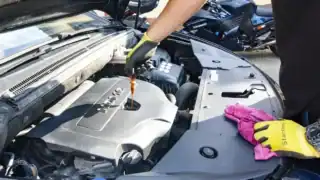
When you bring your VW in, we start with a full cooling system diagnostic using our latest Snap-On diagnostic equipment. This lets us measure actual coolant temperature, test the radiator fan operation, and pinpoint whether the fault is the radiator itself, a thermostat, or a circulation issue.
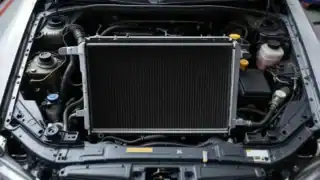
We then inspect the radiator visually for cracks, corrosion, or obvious leaks. VW radiators commonly develop pin-hole leaks in the plastic tanks where they meet the aluminium core, particularly on older models. We’ll also check the condition of hoses, clamps, and the radiator cap, as a worn cap can cause pressure loss and overheating even if the radiator is fine.
Once we’ve confirmed the radiator is the problem, we’ll discuss whether repair or replacement is the right call. Small leaks in plastic tanks can sometimes be sealed, but a corroded or heavily damaged radiator almost always needs replacement with a genuine Volkswagen or OEM-spec equivalent. We never use cheap aftermarket radiators that fail after a few months. VW cooling systems are designed to work with specific radiator dimensions and tank outlet positions, and using a poor-quality part often leads to leaks or poor cooling performance.
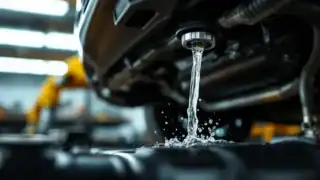
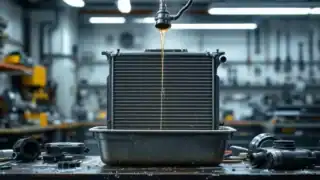
The replacement itself involves draining the old coolant, unbolting the radiator (a straightforward job on most VW models), disconnecting the hoses, and installing the new unit with fresh coolant. We’ll bleed any air from the system and run the engine to confirm the temperature stabilises at normal operating range.
What Influences Repair Cost and Turnaround
The main variables with Volkswagen radiator repair are whether you need a replacement radiator or just a seal, and whether you choose genuine VW parts or OEM-equivalent alternatives. Both are quality options, but they sit at different price points. We’ll always give you a transparent quote upfront so you know exactly what you’re paying for.
Availability can affect how quickly we can turn the job around. Genuine VW radiators usually arrive within a few days if we don’t have stock, while some OEM-spec options may be faster. We’ll let you know the timeline before we start so you can plan accordingly.
Vehicle age and model also matter. A Golf radiator is a simpler swap than a Passat or Touareg, simply because of access and hose routing. We’ll give you a realistic timeframe once we’ve had a proper look at your specific VW.
Why Mackay Vehicle Owners Choose TFD Tyre & Mechanical for VW Cooling Work
We’re a family-run workshop with 18 years in the trade, and we know Volkswagens inside out. We use genuine and OEM-spec parts because your VW cooling system deserves to work as designed. Our latest Snap-On diagnostic equipment means we find the real fault fast, not just patch the symptom.
We’re also a one-stop shop. If your radiator repair reveals an electrical issue with the cooling fan, or if you need new hoses or a belt service while we’re in there, we can handle it on the spot without sending you elsewhere. That saves you time and keeps your vehicle reliable. Beyond radiator work, we offer full vehicle diagnostics, wheel alignments, tyre sales and fitting, TMR-approved RWC and COI inspections, and ARCtick-licensed air conditioning services.
Every repair comes with our satisfaction guarantee. If you’re not happy, we make it right. That’s how we’ve built trust across Mackay and the surrounding area, reflected in our 4.7 star rating from over 89 five-star reviews.
Next Steps for Your Volkswagen
If your VW is showing signs of radiator trouble, don’t wait for it to overheat on a hot day or during heavy traffic. Book Your Free Inspection online to have one of our experienced technicians diagnose what’s happening with your cooling system. Alternatively, Call Us Today to discuss your VW radiator repair needs and get an honest, transparent quote. We’ll get your cooling system working properly again and have you back on the road.