Family-Run & Trusted
Genuine & OEM Parts
4.7★ Rating
Satisfaction Guaranteed

4.7 (89+ 5★ Reviews)

Certified Suzuki Radiator Repair In Mackay

Your Suzuki's cooling system needs expert attention to prevent overheating and engine damage. We diagnose and repair radiator issues with genuine parts and transparent pricing in Mackay.

Expert Diagnostics

Honest Advice

4.7★ Rating

Suzuki Cooling Experts

Book Your Free Inspection

Fill in the form and we'll get back to you shortly. No obligation.

Booking Form
  • Vehicle Details
  • Confirm Vehicle
  • Services
  • Contact Details
Transparent Quotes
Quality Parts Used
Satisfaction Guarantee

Why Book With Us

Book Your Free Inspection
Drop Off Your Car
We Get to Work
Back on the Road

A failing radiator in your Suzuki can leave you stranded, or worse, cause serious engine damage if coolant leaks out completely. Suzuki radiator repair isn’t always straightforward — some Suzuki models are prone to specific corrosion patterns in the radiator core, and the diagnostic process requires understanding how Suzuki’s cooling system is designed to work. We see these issues regularly in Mackay, and catching them early can save you a lot of money and hassle down the track. This guide walks you through what radiator failure looks like, how we diagnose and repair it, and why getting the right diagnosis matters.

Signs Your Suzuki Radiator Needs Repair or Replacement

A Suzuki radiator repair becomes necessary when you notice one or more of these symptoms:

  • Coolant pooling underneath your parked vehicle, especially after driving
  • The temperature gauge climbing into the red zone, even in mild weather
  • Sweet-smelling steam coming from under the bonnet
  • Low coolant levels that drop between services
  • White, crusty deposits around the radiator core or hose connections
  • Overheating that comes and goes, rather than staying consistently hot
  • Visible damage to the radiator fins, dents, or discolouration

Not every radiator leak or overheat event means the radiator itself has failed. Sometimes it’s a loose hose clamp, a failed thermostat, or a water pump that’s wearing out. That’s why proper diagnostics matter. We’ve had customers bring in Suzuki vehicles where the radiator looked fine, but the real problem was a faulty coolant sensor sending false temperature readings, or a blocked heater core restricting flow. Jumping straight to radiator replacement without finding the root cause costs money and leaves you frustrated.

How We Diagnose a Suzuki Radiator Problem

When you bring your Suzuki in for a cooling system inspection, we start by connecting our Snap-On diagnostic equipment to read any fault codes and live data from your engine computer. Suzuki vehicles report coolant temperature, system pressure, and sensor faults in real time, and this information tells us whether the radiator itself is the culprit or whether the fault lies elsewhere in the cooling loop.

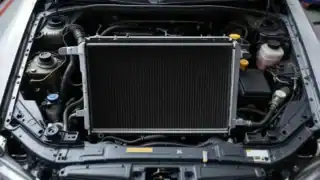
Next, we perform a visual inspection. We look for obvious leaks, crusty residue (which signals internal corrosion), and any damage to the radiator core or tanks. Some Suzuki models, particularly older Swift and Vitara generations, can develop pinhole leaks in the plastic end tanks due to coolant acidity over time. These are tough to spot without close inspection.

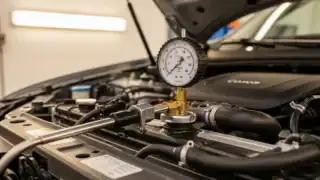
We also test the radiator cap and coolant condition. A worn radiator cap won’t hold proper pressure, and old coolant loses its corrosion inhibitors, which accelerates radiator failure. Many Suzuki owners don’t realise the coolant interval is typically every two years or 40,000 kilometres — skipping this allows acid to build up inside the radiator.

If the radiator is leaking, we check whether it’s repairable (small seam leaks sometimes can be sealed) or if replacement is the safer option. For Suzuki vehicles, we source genuine OEM radiators or OEM-spec equivalents that match Suzuki’s engineering standards. Using cheap aftermarket radiators often leads to repeat failures within a year or two.

What Affects the Cost and Time for Suzuki Radiator Repair

Several factors shape the scope and cost of your repair. First, whether the radiator is repairable or must be replaced. A small leak sealed properly can extend the radiator’s life; a corroded core typically requires replacement. Second, the specific Suzuki model. Some radiators are straightforward to remove (like on a Swift or Celerio), while others require more labour because of engine bay layout or other components in the way. Third, parts availability. Genuine Suzuki radiators are usually in stock or arrive within a day or two, but lead times can vary depending on whether the part is a common service item or a less frequent replacement.

We always give you a transparent quote before we start work. If repair is possible, we’ll explain why it makes sense. If replacement is necessary, we’ll talk through OEM versus equivalent parts and let you decide. We don’t push unnecessary parts or upsell you into replacements you don’t need — that’s not how we work.

Why Choose TFD Tyre & Mechanical for Your Suzuki Radiator Repair in Mackay

We’re a family-run workshop with 18 years of experience working on Suzuki vehicles across Mackay and the surrounding region. We use latest Snap-On diagnostic equipment to find the real fault fast, so you’re not paying to replace parts that aren’t broken. We fit genuine and OEM-spec parts, not cheap substitutes that fail again in six months. Our satisfaction guarantee means if you’re not happy with the work, we make it right.

We’re also a one-stop shop — if your radiator replacement needs a fluid top-up or a wheel alignment check while you’re here, we can handle it. No need to drive between different workshops. TFD Tyre & Mechanical offers full vehicle diagnostics, tyre sales and fitting, TMR-approved RWC and COI inspections, and ARCtick-licensed air conditioning servicing. Because we’re independent, we work on Suzuki vehicles of any age or mileage, not just recent models or those under warranty. With 4.7 stars from over 89 five-star reviews, our customers know they’re getting honest advice and fair pricing.

Next Steps

If your Suzuki is showing signs of radiator trouble — overheating, coolant leaks, or temperature gauge spikes — don’t ignore it. Engine overheating causes head gasket failure and warped cylinders, repairs that cost far more than catching a radiator problem early. Book Your Free Inspection today, and we’ll find out exactly what’s going on with your Suzuki’s cooling system. You’ll have a clear quote and honest advice before any work begins. Call Us Today to speak with our team at TFD Tyre & Mechanical, and let’s get your radiator sorted before summer arrives or before a minor leak becomes a major breakdown.


Other Services

Whatever your needs we have you covered, see some similar services below or click "See All Services" to explore our full service offering.

Honest Mechanics Mackay Drivers Rely On

Family-run by Mark and Elijah with 18 years in the trade, we give you straight answers, fair prices, and quality parts — not the runaround.

Honest, Upfront Quotes

You’ll know exactly what’s needed and what it costs before we touch your car.

Latest Snap-On Diagnostics

Bring your vehicle in and we’ll assess it and give you a clear, honest quote upfront.

Suzuki Radiator Warranty

We back every Suzuki radiator repair with a warranty and use OEM-spec parts.

How Suzuki Radiator Repair Works

From booking through collection, we diagnose and fix Suzuki cooling system issues professionally.

Step 1

Book Your Free Inspection

Book your free inspection to diagnose radiator faults and understand what repair is needed.

Step 2

Suzuki Cooling Diagnosis

We pressure test the radiator, check coolant condition, and scan Suzuki-specific fault codes.

Step 3

Radiator Repair or Replacement

We repair leaks or fit genuine OEM radiator components matched to your Suzuki model.

Step 4

Quality Check and Collection

We test the cooling system, verify temperature stability, and return your vehicle ready to drive.

Rated 4.7 Stars by Our Customers

4.7 (89+ 5★ Reviews)

Quality Parts From Trusted Suppliers

We fit genuine and OEM-spec parts sourced from reputable suppliers. No cheap substitutes - just quality components that do the job properly.

Book Your Free Inspection

Fill in the form and we'll get back to you shortly. No obligation.

Booking Form
  • Vehicle Details
  • Confirm Vehicle
  • Services
  • Contact Details
Transparent Quotes
Quality Parts Used
Satisfaction Guarantee

Why Book With Us

Book Your Free Inspection
Drop Off Your Car
We Get to Work
Back on the Road

Got Questions? We Have Answers

Browse the questions below for quick answers about our services. If yours isn't listed, give us a call and we'll sort you out.

Suzuki radiator repair typically starts with diagnosing the issue using diagnostic equipment to pinpoint leaks, blockages, or thermostat problems. We then either repair the radiator if damage is minor, flush and refill the cooling system with the correct coolant specification for your Suzuki model, or replace the radiator if it’s beyond repair. We use genuine or OEM-spec parts to match your vehicle’s engineering requirements and always test the system under load to confirm the fix works properly before you leave.

A straightforward radiator replacement or repair usually takes 1-2 hours, depending on your Suzuki model and how accessible the radiator is in the engine bay. A coolant leak diagnosis and flush can often be completed same-day. More complex jobs like removing the radiator to access other components may take longer. We’ll give you a clear timeframe when we inspect your vehicle, so you know what to expect.

Watch for coolant puddles under your car, a sweet smell coming from the engine, overheating warnings on the dashboard, or steam rising from under the bonnet. You might also notice the temperature gauge climbing into the red zone during normal driving. If you spot any of these signs, stop driving and have the cooling system inspected straight away. Running an overheated engine risks serious internal damage, so don’t ignore these warnings.

Coolant degrades over time and loses its protective properties, so most Suzuki models benefit from a coolant flush and refill every 2-3 years or as per your logbook schedule. Regular flushing removes corrosion and mineral buildup inside the radiator, which helps prevent leaks and keeps the cooling system running efficiently. We can check your Suzuki’s service schedule and recommend the right interval for your model during your inspection.

Under Australian Consumer Law and ACCC guidance, having your Suzuki serviced by a qualified independent workshop generally does not void your manufacturer warranty, provided the work is done to the proper standard and genuine or equivalent parts are used. We use OEM-spec parts for Suzuki cooling system work to maintain that standard. However, warranty terms can vary, so we recommend checking your specific warranty paperwork or contacting your dealer if you have concerns. This is general information only, not legal advice.

No, you should not drive with a radiator leak, even a small one. Coolant loss means the engine can overheat quickly, especially on warm days or under load. An overheated engine can suffer serious internal damage in minutes, turning a simple leak repair into an expensive engine rebuild. If you notice a leak, top up your coolant as a temporary measure and bring your vehicle in for inspection as soon as possible. We offer diagnostics in Mackay to identify the source and get it fixed before it becomes a bigger problem.

Some Suzuki models are prone to coolant seepage at the radiator seams or thermostat housing due to age and vibration. Older Suzukis may also develop sediment buildup in the radiator, reducing cooling efficiency. During inspection, we check for these common weak points specific to your Suzuki’s year and engine type. Using our diagnostic equipment, we can spot developing issues before they become leaks, which helps you avoid breakdowns and unexpected repair bills.

We start by checking coolant level and condition, then inspect the radiator, hoses, and connections for visible leaks or corrosion. We run the engine and monitor temperature readings to see how the cooling system performs under normal conditions. We may also pressure-test the system to find small leaks that are not obvious. Once we have identified the problem, we’ll explain what is needed, show you any damage, and give you a transparent quote before we start any work.

Continue to site