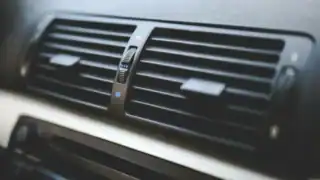
When your Japanese vehicle’s air conditioning stops blowing cold air, the whole drive becomes uncomfortable, especially in a Mackay summer. Japanese vehicles—whether Toyota, Nissan, Honda, Mazda, or Mitsubishi—are known for reliability, but their air con systems are complex and can develop faults that need professional diagnosis to fix properly. Japanese vehicles car air con repair requires specialist knowledge because the refrigerant systems, compressors, and electrical controls are engineered to tight OEM specifications. At TFD Tyre & Mechanical, we use the latest Snap-On diagnostic equipment to identify the real fault fast, rather than guessing or replacing expensive parts that aren’t the problem.
What Are the Warning Signs Your Japanese Vehicle’s Air Con Needs Repair?
The most obvious sign is warm air blowing from the vents when the air con is switched on. But air con problems develop gradually, and catching them early can save money and keep your cabin comfortable year-round.
- Weak or no cold air from the vents, even when the compressor is running
- Strange smells coming through the air con (musty, sweet, or chemical odours)
- Hissing or bubbling sounds when the system runs
- Visible leaks under the vehicle or on the engine bay
- The compressor clutch not engaging or disengaging
- Air con button not responding or display showing fault codes
- Humidity building up inside the cabin even with air con on
Japanese vehicles often show these signs in stages. Your Subaru might start with temperature control that fluctuates, or a Mazda might lose cooling performance gradually over a few weeks. Don’t wait until your air con fails completely—partial loss of cooling is a sign that refrigerant is escaping or the compressor is struggling.
How Japanese Vehicles Air Con Systems Are Diagnosed and Repaired
Japanese vehicle manufacturers design their air con systems to OEM specifications that differ slightly between brands. Toyota’s climate control logic isn’t identical to Honda’s, and Nissan’s compressor cycling thresholds are calibrated differently. This is why we diagnose your vehicle using brand-aware diagnostic procedures rather than generic scanning.
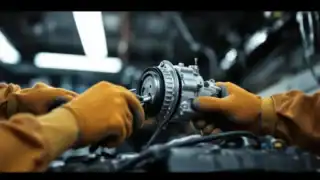
Our first step is connecting our Snap-On diagnostic equipment to read live data from your air con module. This tells us whether the compressor is actually engaging, what pressures the system is running at, and whether electrical signals are reaching the right components. Many air con faults aren’t actually refrigerant leaks—they’re failed expansion valves, blocked orifice tubes, electrical connector problems, or compressor bypass issues that only show up under diagnostic testing.
Once we’ve identified the fault, we explain it clearly and show you what needs to happen next. If your Mitsubishi’s compressor clutch isn’t engaging, that’s different from a refrigerant leak, and we’ll describe why and what each repair involves. We then use genuine or OEM-spec parts that match your vehicle’s original specifications—not cheap aftermarket substitutes that can damage your compressor or reduce efficiency.
The repair process typically includes flushing the system (to remove moisture and debris), replacing any failed components, recharging with the correct refrigerant type and quantity for your specific model, and running a full function test to confirm cold air and correct pressures. For Japanese vehicles, getting the refrigerant type right is critical—older systems use R134a, some newer models use R1234yf, and mixing them damages the compressor.
What Affects the Cost and Time for Japanese Vehicles Air Con Repair in Mackay
Several factors determine how quickly we can finish and what the bill will be. A simple refrigerant leak from a loose fitting might be found and sealed in an hour. A failed compressor that needs full replacement, de-gassing, flushing, and recharge could take a full day because we need to do the work properly and safely.
Parts availability matters too. We stock common air con components for Toyota, Nissan, and Honda vehicles because they’re popular in the Mackay area. If your Subaru or Isuzu needs a less common part, we can source it quickly, but that adds a day or two to your timeline. We always confirm parts availability and timeframe before starting work so you’re not surprised.
Whether we use genuine OEM parts or equivalent aftermarket components also affects cost. Genuine parts cost more but carry manufacturer backing and are guaranteed to match your vehicle’s engineering. We’ll explain the difference and let you decide—we don’t push the most expensive option just to inflate the bill.
Why Japanese Vehicle Owners Choose TFD Tyre & Mechanical for Air Con Repair
We’re a family-run workshop with 18 years in the trade, and our reputation is built on honest advice and transparent quotes. When we diagnose your air con fault, we explain what we found, why it happened, and what you need to do about it. No pressure, no surprise charges, no parts replaced that weren’t actually broken.
Because we’re a one-stop shop—mechanical work, tyres, wheel alignments, inspections, and ARCtick-licensed air conditioning all under one roof—we can often spot related issues during air con repair. A refrigerant leak might be coming from a worn serpentine belt putting stress on the compressor. Your air con isn’t cooling because the radiator fan isn’t running at full speed. These connections matter, and we catch them because we’re not siloed into just one service type.
We use the latest Snap-On diagnostic equipment, which means we find the real fault fast instead of throwing parts at the problem. That saves you money and gets you back on the road confident that the job’s done right. With 4.7 stars from 89+ five-star reviews, our customers know they can trust our work. And if you’re not happy with the result, our satisfaction guarantee means we make it right.
Book Your Japanese Vehicles Auto Air Conditioning Repair in Mackay Today
If your Toyota, Nissan, Honda, Mazda, or other Japanese vehicle’s air con isn’t cooling, don’t soldier on through summer heat. Call Us Today or Book Your Free Inspection online. We’ll run diagnostics, show you exactly what’s wrong, and give you an honest quote before we start work.