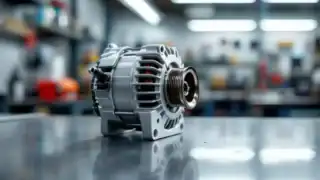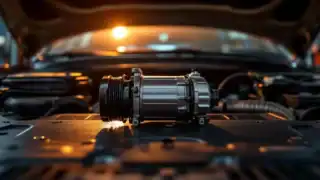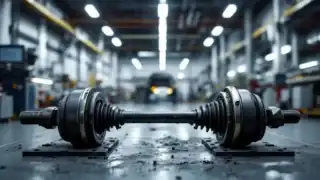
A driveshaft connects your engine’s power to the wheels, transmitting engine torque through the transmission and out to the drivetrain. For Japanese vehicles, driveshaft repair and replacement becomes necessary when this critical component wears, becomes damaged, or develops play that causes vibration and noise. In Mackay, where vehicles tackle everything from suburban commutes to rural and coastal roads, a failing driveshaft can leave you stranded or create unsafe handling. Understanding what a driveshaft does, how to spot trouble early, and why professional inspection matters helps you keep your Japanese vehicle safe and reliable.
Signs Your Japanese Vehicle’s Driveshaft Needs Attention
A damaged or worn driveshaft usually announces itself through vibration and noise that get worse as you accelerate or turn. You might feel a shuddering sensation under the car, particularly when pulling away from a stop or climbing a hill. Some drivers notice a clunking or clicking sound from underneath, especially when shifting between drive and reverse, or a grinding noise that changes pitch with speed.
- Vibration felt through the steering wheel or seat, worsening at certain speeds
- Clunking or banging noise from beneath the vehicle when accelerating or decelerating
- Clicking or popping sounds during tight turns (a sign of CV joint wear on front-wheel-drive Japanese models)
- Visible grease splatter or rubber debris around the driveshaft boots
- Difficulty engaging or staying in gear, or unusual resistance when shifting
- Steering wheel or rear end pulling to one side unexpectedly
Japanese vehicles like Toyota, Nissan, Mazda, and Mitsubishi commonly develop driveshaft issues because of the high torque loads these engines produce and the demanding road conditions in regional Queensland. Ignoring these symptoms risks complete driveshaft failure, which can damage the transmission or leave you unable to drive safely.
How We Diagnose and Repair Japanese Vehicles Driveshaft Issues
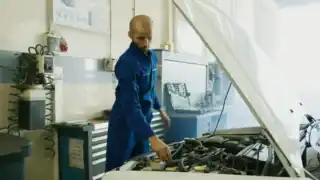
Our approach starts with a thorough inspection and diagnostic test. We lift your vehicle safely and spin the driveshaft by hand, checking for excessive play, unusual resistance, or visible cracks and corrosion. We rotate the wheels and listen for clicking or popping at different angles, which helps us identify CV joint wear on front-drive Japanese models. We also inspect the rubber boots that protect the joints and the mounting brackets that hold the driveshaft in place.
Using our latest Snap-On diagnostic equipment, we can identify the exact point of failure and confirm whether the problem is the driveshaft itself, a worn CV joint, a damaged universal joint, or a worn bearing. This precision matters because misdiagnosing the fault can lead to unnecessary parts replacement and inflated repair bills.
Once we’ve pinpointed the issue, we discuss your options. For minor boot damage or small cracks, we can sometimes repair the affected joint without replacing the whole shaft. For severe wear, cracks, or bent driveshafts, replacement is the safer choice. We use genuine and OEM-spec parts matched to your vehicle’s exact specifications, whether you drive a Toyota Corolla, a Nissan Navara, or a Mazda CX-5. OEM-spec parts ensure proper fit, balance, and torque handling, preventing premature failure and protecting your vehicle’s warranty and resale value.
What Affects Driveshaft Repair Cost and Time in Mackay
The cost and timeline depend on what we find during diagnosis. A CV boot replacement or universal joint repair takes a few hours, while a full driveshaft replacement may take longer because the shaft must be balanced and torqued to manufacturer specifications. Parts availability also matters: genuine parts for mainstream Japanese models like Toyota and Nissan are usually in stock or arrive quickly, while specialty or imported models may require longer lead times.
We always provide a transparent quote before we begin work, so you’ll know exactly what’s needed and what it’ll cost. If you need parts ordered, we’ll give you a realistic timeframe upfront and keep you updated.
Why Japanese Vehicle Owners Choose TFD Tyre & Mechanical for Driveshaft Repair
We’re a family-run workshop with 18 years in the trade, and we understand what Japanese vehicle owners need: honest advice, quality parts, and a fair price. We don’t rush diagnostics or recommend unnecessary replacements. Our Snap-On equipment finds the real fault fast, so you’re never paying for work you don’t actually need.
We stock genuine and OEM-spec parts for all common Japanese makes, and we’re set up as a one-stop shop for everything your vehicle needs. Whether you need driveshaft repair, wheel alignment, tyre fitting, air conditioning service, or a roadworthy inspection, you don’t have to visit multiple shops. TFD Tyre & Mechanical is a TMR-approved inspection station for RWC and COI certificates, and we’re ARCtick licensed for air conditioning work, so you can trust us to get every detail right.
Our satisfaction guarantee means if you’re not happy with the work, we make it right. That’s our commitment to every driver who comes through our door. With over 89 five-star reviews, our customers know we deliver on that promise.
Ready to Get Your Driveshaft Sorted?
If you’ve noticed vibration, clunking sounds, or other signs that your Japanese vehicle’s driveshaft needs attention, don’t ignore it. The sooner you get a professional inspection, the sooner we can stop the problem before it damages other parts of your drivetrain. Call Us Today or Book Your Free Inspection online, and we’ll have your vehicle back on the road safely in Mackay.