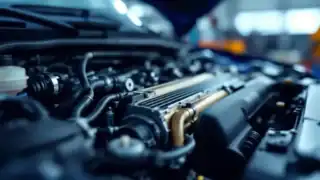
A timing belt (or cam belt, as it’s often called) is one of the most critical components in any Volkswagen engine. This rubber belt syncs the rotation of your crankshaft and camshaft, controlling the precise opening and closing of your engine’s intake and exhaust valves. Without it running properly, your Volkswagen simply won’t run. Unlike a serpentine belt, which you might replace every few years, Volkswagen timing belt replacement is a scheduled major service that most owners face once during their vehicle’s life. If you’re driving a VW in Mackay, catching this service at the right time prevents catastrophic engine damage and keeps your vehicle running smoothly.
When Do You Need Volkswagen Timing Belt Replacement?
Volkswagen doesn’t give you obvious warning signs when a cam belt is about to fail. Unlike a worn brake pad that squeals or a battery that struggles to start, your timing belt simply works silently until the moment it snaps. That’s why Volkswagen specifies replacement intervals in their service schedule, not based on symptoms but on age and kilometres. Most VW models require timing belt replacement between 80,000 and 120,000 kilometres, depending on the engine type and model year. Some newer models stretch this interval, but checking your logbook service schedule is the fastest way to know.
However, you should have the belt inspected immediately if you notice:
- A squealing noise from the front of the engine, especially when the engine is cold or during startup
- Rough or unstable idling that’s developed suddenly
- Loss of power or hesitation during acceleration
- Check engine light appearing without obvious cause
- Any visible cracks, fraying, or oil contamination visible on the belt (if you can see it)
If your Volkswagen is approaching the manufacturer’s recommended interval and you’re not sure whether the belt has been replaced, don’t guess. A timing belt failure on the motorway is far more expensive to manage than a planned replacement at a workshop you trust.
What We Check and Replace
Volkswagen timing belt replacement is more than just swapping out the belt itself. When we undertake this service, we’re accessing the front of the engine and inspecting the entire system that depends on that belt’s precision. Here’s what we do:
Full inspection and diagnostics. We start with Snap-On diagnostic equipment to confirm your engine’s current condition and check for any fault codes that might indicate wear in the valve train or other connected components. This tells us whether everything else is in good shape to accept a new belt, or if there are underlying issues that need addressing at the same time.
Belt and tensioner assessment. The timing belt itself wears out, but so does the tensioner that keeps it at the correct tension. If the tensioner is worn or weak, a new belt alone won’t solve the problem. We replace both together to ensure proper synchronisation and long belt life. Volkswagen engines are precise, and a loose or failing tensioner creates the same problems a worn belt does.
Water pump evaluation. Since the water pump is located right beside the timing belt area, most workshops replace it during this service. It makes sense: you’re already in there, and if the pump fails six months after a belt replacement, you’re back in the workshop for another major job. We use genuine or OEM-spec parts to match Volkswagen’s engineering standards.
Seal and gasket inspection. Front seals and gaskets around the timing cover often show wear during a belt service. We inspect these and recommend replacement if they’re compromised, preventing oil leaks that can damage the new belt.
Belt tension and timing verification. After installation, we set belt tension to Volkswagen’s exact specifications and verify engine timing using professional equipment. This is non-negotiable. Incorrect timing causes poor running, fuel consumption issues, or engine damage over time.
What Affects the Cost and Time
Volkswagen timing belt replacement costs depend on a few real factors. First, your model: a Golf or Jetta has a more straightforward layout than a Passat or Touareg, which affects labour time. Second, whether you need additional work while we’re in there. If the water pump is marginal, if seals are leaking, or if our diagnostics reveal other timing-chain or wear issues, that adds to the job. Third, parts choice: genuine Volkswagen components meet the strictest tolerances and come with confidence, while OEM-spec alternatives offer equivalent quality at a different price point. We’re transparent about both options and let you decide.
Turnaround time typically spans a day or two, depending on our current schedule and whether additional parts are needed. We’ll give you a clear timeframe and keep you updated. If your belt replacement uncovers unexpected issues (for example, a failing alternator or oil leak), we’ll discuss those with you before proceeding, never assuming you want the most expensive fix.
Why You Should Trust TFD Tyre & Mechanical With Your Volkswagen
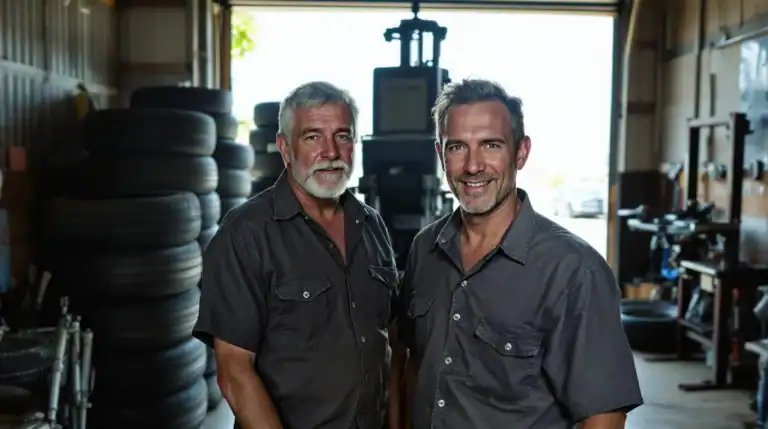
As a family-run father-and-son workshop with 18 years in the trade, we’ve completed hundreds of timing belt replacements across all Volkswagen models. We invest in Snap-On diagnostic equipment specifically to find the real fault fast and avoid guesswork. We use genuine and OEM-spec parts, not cheap substitutes that compromise your engine’s precision. Your Volkswagen’s timing system is too critical for shortcuts.
We’re a one-stop shop: we handle the timing belt replacement, and if you need tyre work, wheel alignments, or an RWC inspection for rego at the same time, we’ve got it all covered under one roof. Our satisfaction guarantee means if you’re not happy with the work, we make it right. We’re TMR-approved for RWC and COI inspections and ARCtick-licensed for air conditioning, so you can trust our credentials. Customers across Mackay rate us 4.7 out of 5 stars based on over 89 reviews. We give you honest advice and transparent quotes at a fair price.
Book Your Timing Belt Replacement in Mackay Today
Don’t leave your timing belt to chance. If your Volkswagen is due or overdue for this service, call us today to discuss your model and timeline, or book your free inspection online. We’ll confirm what you need and when, with no pressure and no surprises.