Brake fluid is one of those parts of your Honda that you don’t often think about until something goes wrong. A Honda brake fluid change is a straightforward but essential service that keeps your braking system reliable and safe. Unlike brake pads, which wear down visibly, brake fluid degrades over time as it absorbs moisture from the air. In Mackay’s climate, where humidity and heat can accelerate this process, regular brake fluid replacement becomes even more important for maintaining stopping power and preventing corrosion inside your braking components.
Why Honda Brake Fluid Needs Regular Replacement
Brake fluid is hygroscopic, which means it naturally absorbs water from the air around it. Over months and years, even small amounts of moisture accumulate inside your brake lines and cylinders. When brake fluid contains too much water, its boiling point drops significantly. Under hard braking or in hot driving conditions, contaminated fluid can boil inside the lines, creating air pockets that reduce brake pressure and feel. You might notice a soft or spongy brake pedal, or brakes that feel less responsive than they should.
Honda’s service schedule recommends a brake fluid change every two years, regardless of how many kilometres you’ve driven. This is a preventative measure, not a repair. Fresh brake fluid protects the entire hydraulic system, including the master cylinder, wheel cylinders, and ABS components that are specific to Honda’s brake architecture. Delaying this service doesn’t always produce obvious symptoms right away, which is why many owners skip it. But over time, the cost of neglect far outweighs the cost of regular maintenance.
Warning Signs Your Honda’s Brake Fluid Needs Attention
- Soft or spongy brake pedal that requires more pressure than usual
- Brake pedal feels lower than it should before engaging
- Brakes take longer to respond or feel less sharp
- Warning light on your dashboard related to the brake system
- Visible corrosion or discolouration inside the brake fluid reservoir
- Mushy or inconsistent braking feel under normal driving
Any of these signs suggest your brake fluid has degraded or become contaminated. Don’t wait for a dramatic loss of braking power. If you notice even a slight change in how your brakes feel, book a brake inspection. A technician can test your brake fluid using a moisture meter to determine whether it needs replacing or has reached saturation point.
What Happens During a Honda Brake Fluid Change in Mackay
We start with a full brake system inspection using our Snap-On diagnostic equipment. This helps us identify any existing issues in your Honda’s hydraulic lines, cylinders, or brake components before we begin the fluid replacement. Many Honda owners come in expecting just a fluid top-up and leave knowing their whole braking system is sound.
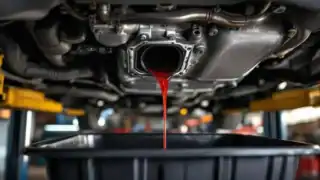
The actual fluid replacement involves opening each brake line at the wheel cylinders and pumping out the old, contaminated fluid while pushing fresh brake fluid through the system. This process, called bleeding the brakes, ensures air doesn’t enter the lines and that every component receives clean fluid. For Honda vehicles, we use OEM-specification brake fluid that matches your model’s requirements. Using the correct fluid type is critical because Honda’s ABS system and newer brake assist features are calibrated to work with specific fluid ratings.
We bleed all four wheel cylinders systematically, usually starting from the wheel furthest from the master cylinder and working closer. Once fresh fluid flows freely from each line without air bubbles, we test pedal firmness and stopping response. The brakes should feel noticeably sharper and more responsive immediately after the service.
Cost, Time, and What Affects Your Service
A Honda brake fluid change is one of the more affordable preventative services you can book. The cost depends mainly on whether you need any additional repairs uncovered during inspection. If your brake lines show early corrosion or if we find a leaking cylinder, those issues need addressing alongside the fluid replacement. Older Honda models sometimes need new hoses or seals, which will add to the total. We give you a transparent quote upfront, before we start any work.
The service itself typically takes 1-2 hours. If we discover brake components that need replacement, the timeline extends. Parts availability for genuine Honda brake components is usually quick in Mackay, but we’ll let you know if there’s any delay. We won’t guess at timeframes; we’ll tell you exactly what we need and how long it will take.
Why We Recommend Genuine Honda Brake Fluid
Some workshops use cheaper, generic brake fluids to cut costs. We don’t. Honda specifies exact brake fluid standards for each model generation, and using OEM-spec fluid ensures your braking system works as designed. Your Honda’s ABS system, electronic brake assist, and any stability control features depend on brake fluid with the right viscosity and boiling point. Saving a few dollars on fluid isn’t worth risking braking reliability.
Why Choose TFD Tyre & Mechanical for Your Honda Brake Service
We’re a family-run workshop with 18 years in the trade, and we use genuine and OEM-spec parts for every brake service. Our Snap-On diagnostic equipment lets us find real faults fast, so you’re never paying for guesswork. We give honest advice and transparent quotes at a fair price. If you’re not happy with the work, we make it right. We’re a one-stop shop for Honda owners in Mackay, offering mechanical work, wheel alignments, tyre fitting, RWC and COI inspections, and air conditioning all under one roof. That means you’re not sent between different shops to get your car sorted.
Call Us Today or Book Your Free Inspection online. We’ll test your brake fluid, check your entire braking system, and let you know exactly what’s needed before any work begins. If you’re driving a Honda in Mackay and it’s been more than two years since your last brake fluid change, contact TFD Tyre & Mechanical and we’ll get you booked in.