Family-Run & Trusted
Genuine & OEM Parts
5★ Reviews
Satisfaction Guaranteed

Verified 5★ Reviews

Reliable Japanese Vehicles Brake Fluid Change In Mackay

Brake fluid degrades over time and affects your Japanese vehicle's stopping power. We replace it to factory spec, inspect the system, and keep you safe on Mackay roads.

Expert Diagnostics

Honest Advice

5★ Reviews

Japanese Brake Expertise

Book Your Free Inspection

Fill in the form and we'll get back to you shortly. No obligation.

Booking Form
  • Vehicle Details
  • Confirm Vehicle
  • Services
  • Contact Details
Transparent Quotes
Quality Parts Used
Satisfaction Guarantee

Why Book With Us

Book Your Free Inspection
Drop Off Your Car
We Get to Work
Back on the Road

Brake fluid is the hydraulic lifeblood of your Japanese vehicle’s braking system. When you press the brake pedal, brake fluid transmits that force through metal lines to the calipers or wheel cylinders, bringing your car to a stop. Over time, brake fluid absorbs moisture from the air and degrades chemically, losing its ability to do that job reliably. A Japanese vehicles brake fluid change in Mackay is a critical maintenance task that keeps your brakes responsive and safe, and it’s one we see regularly as part of responsible vehicle ownership.

Why Brake Fluid Degrades and When You Need a Change

Brake fluid is hygroscopic, meaning it naturally absorbs water. Even in a sealed system, tiny amounts of moisture seep in over time through rubber hoses and seals. As water content builds up, the fluid’s boiling point drops, and its lubricating properties weaken. In hot braking situations like mountain descents or heavy city traffic, degraded fluid can boil and create a soft or spongy brake pedal that feels unpredictable.

Japanese vehicle manufacturers, including Toyota, Nissan, Mazda, Mitsubishi, and Subaru, typically recommend a brake fluid change every two years, regardless of distance travelled. Some newer models with condition-based servicing intervals may extend this slightly, but the two-year rule is the safest baseline. You should also consider a fluid change if:

  • Your brake pedal feels soft or spongy when pressed
  • Brakes feel less responsive than usual, even after recent pad replacement
  • Your ABS warning light comes on (fluid condition is part of the diagnostic)
  • You’ve done heavy braking (towing, mountain driving, sustained city traffic)
  • The fluid looks dark brown or discoloured instead of clear amber
  • You’re planning long-distance driving or towing

These signs tell us the fluid has absorbed too much moisture or broken down chemically. Catching it early through regular servicing prevents more expensive brake component failures down the road.

What Happens During a Japanese Vehicles Brake Fluid Change

A proper brake fluid change isn’t just draining old fluid and pouring in new. We start by inspecting your entire brake system: pads, rotors, hoses, and caliper condition. Using our latest Snap-On diagnostic equipment, we check brake system pressures and ABS function to ensure everything is working as it should. For Japanese vehicles, this matters because many models have coupled ABS or electronic brake distribution systems that need confirmation they’re functioning correctly before and after the fluid swap.

We then use a closed-loop fluid exchange system to flush old fluid out completely and replace it with fresh OEM-specification or genuine equivalent fluid matched to your vehicle’s requirements. Toyota vehicles typically use DOT 3 fluid, while some performance or newer Subaru and Mazda models may specify DOT 4. Using the correct specification is non-negotiable; we never substitute cheaper alternatives that don’t meet the manufacturer’s safety standards.

During the exchange, we bleed air from all four brake lines, starting from the wheel furthest from the master cylinder. This bleeding process is crucial: trapped air compresses under braking pressure, making your pedal feel spongy or mushy. Once the system is full of fresh fluid and free of air, we test the brakes under real conditions to confirm responsiveness and pedal feel.

Brake Fluid Specifications for Japanese Vehicles in Mackay

Your vehicle came from the factory with a specific brake fluid type. We stock genuine fluids or OEM-equivalent fluids that match your Japanese vehicle exactly. We don’t guess or substitute; every fluid we use meets or exceeds the manufacturer’s specifications. This matters for safety and also for protecting your warranty, since using non-specification fluid can affect coverage if brake issues arise later.

What Affects Service Time and Cost

A brake fluid change typically takes between one and two hours for most Japanese vehicles. The time depends on how accessible your brake system is and how much air needs bleeding out. Vehicles with all-wheel drive or complex brake layouts sometimes take slightly longer, but we’ll give you a clear estimate before starting work.

The cost is reasonable and straightforward. You’re paying for the fluid itself (genuine OEM-spec), the labour to do a complete exchange and bleed, and our diagnostic check to confirm your brake system is healthy. We don’t add hidden charges or recommend expensive repairs you don’t need. If your inspection reveals worn pads or damaged hoses during the fluid change, we’ll show you exactly what we found and give you options, not pressure you into unnecessary work.

Why Choose TFD Tyre & Mechanical for Japanese Vehicle Brake Service

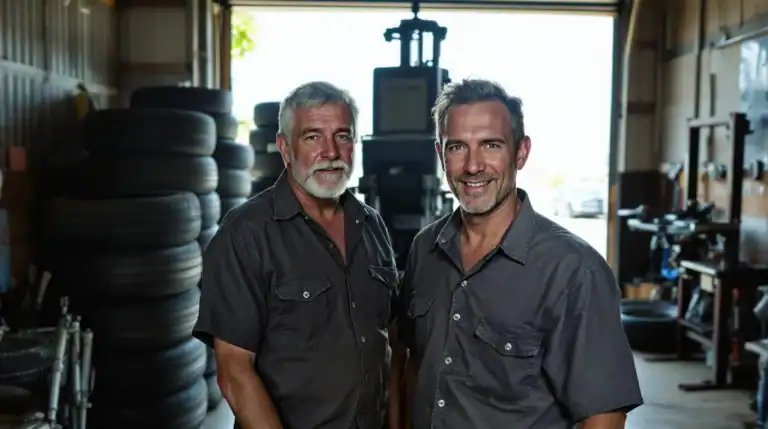
We’re a family-run independent workshop with 18 years in the trade, not a franchise pushing unnecessary upsells. Mark and Elijah know Japanese vehicles inside out, and that knowledge shows in how we diagnose and service them. We use genuine and OEM-spec parts, never cheap substitutes that compromise safety. Our latest Snap-On diagnostic equipment finds the real fault fast, so you know exactly what your brakes need.

We’re a one-stop shop in Mackay: mechanical work, tyre fitting, wheel alignments, and brake servicing all happen under one roof. You’re not sent between a mechanic, a tyre shop, and an inspection station. We offer a satisfaction guarantee too. If you’re not happy with the work, we make it right. Honest advice and transparent quotes at a fair price is how we’ve built our reputation with over 89 five-star reviews.

Our team is TMR-approved for roadworthy inspections and ARCtick-licensed for air conditioning, so when your Japanese vehicle needs brake fluid renewal plus any other scheduled maintenance, we handle it properly the first time.

Book Your Brake Fluid Inspection in Mackay Today

If your brakes feel soft, your fluid is due for a change, or you want a full brake system diagnostic, Book Your Free Inspection online or Call Us Today. We’ll check your brake system thoroughly, tell you exactly what it needs, and get your Japanese vehicle back to safe, responsive braking.
Other Services

Whatever your needs we have you covered, see some similar services below or click "See All Services" to explore our full service offering.

Honest Mechanics Mackay Drivers Rely On

Family-run by Mark and Elijah with 18 years in the trade, we give you straight answers, fair prices, and quality parts — not the runaround.

Honest, Upfront Quotes

You’ll know exactly what’s needed and what it costs before we touch your car.

Latest Snap-On Diagnostics

Bring your vehicle in and we’ll assess it and give you a clear, honest quote upfront.

OEM-Spec Fluid Sourcing

We source genuine OEM-spec brake fluid matched to your Japanese vehicle’s requirements.

Brands We Service

Whatever your needs chances are we have you covered, see other brands we service below or click "See All Brands" to see the full list of brands we service.

How Japanese Brake Fluid Change Works

We guide you through brake fluid change from booking to collection with precision and care.

Step 1

Book Your Free Inspection

Book your free inspection to assess your Japanese vehicle's brake fluid condition and service needs.

Step 2

Brake Fluid System Check

We test brake fluid condition using Japanese vehicle diagnostics and measure contamination levels accurately.

Step 3

Fluid Flush And Replace

We perform complete brake fluid flush and refill with OEM-spec fluid for your Japanese vehicle.

Step 4

Safety Test And Handover

We verify brake response and safety, then hand your vehicle back ready for the road.

Rated 4.7 Stars by Our Customers

Verified 5★ Reviews

Quality Parts From Trusted Suppliers

We fit genuine and OEM-spec parts sourced from reputable suppliers. No cheap substitutes - just quality components that do the job properly.

Book Your Free Inspection

Fill in the form and we'll get back to you shortly. No obligation.

Booking Form
  • Vehicle Details
  • Confirm Vehicle
  • Services
  • Contact Details
Transparent Quotes
Quality Parts Used
Satisfaction Guarantee

Why Book With Us

Book Your Free Inspection
Drop Off Your Car
We Get to Work
Back on the Road

Got Questions? We Have Answers

Browse the questions below for quick answers about our services. If yours isn't listed, give us a call and we'll sort you out.

Brake fluid absorbs moisture from the air over time, which lowers its boiling point and reduces braking performance. Japanese vehicles are no exception. Old fluid also becomes contaminated with particles and degraded compounds that wear your brake components faster. A Japanese vehicles brake fluid change removes this degraded fluid and replaces it with fresh, moisture-free fluid to keep your brakes responsive and safe.

Most Japanese vehicle manufacturers recommend a brake fluid change every two years or 40,000 kilometres, whichever comes first. Some models may differ, so check your logbook for the exact schedule. If you drive in hot conditions or tow regularly, you may need more frequent changes. We can review your service schedule and let you know what’s due.

A soft or spongy brake pedal, reduced braking power, or a brake warning light on your dashboard can all signal that your fluid is degraded or contaminated. You might also notice the brake pedal sinking slowly when you hold it down. Don’t ignore these signs. If your brakes feel off, bring your vehicle in for a check. We’ll test your fluid and advise whether a change is needed.

A brake fluid change typically takes 1 to 2 hours, depending on your vehicle’s design and condition. We’ll flush the entire system to remove old fluid from all brake lines and components, then refill with fresh fluid that meets the manufacturer’s specification. We’ll also bleed the brakes to remove any air bubbles that could affect pedal feel.

Yes. Under ACCC guidance, Australian consumer law generally does not require you to have warranty servicing done at a dealership, as long as the work is done by a qualified mechanic using appropriate parts and procedures. Having your brake fluid changed at an independent workshop won’t void your warranty. We recommend checking your specific warranty terms if you’re unsure, but this is standard consumer protection.

Brake fluid comes in several grades: DOT 3, DOT 4, and DOT 5.1. Each has different boiling points and moisture absorption rates. Your Japanese vehicle’s manual specifies which type it needs, and using the wrong type can damage your brakes. We always use the fluid grade your manufacturer recommends, ensuring your brakes perform as designed and your safety isn’t compromised.

Absolutely. We stamp your logbook every time we service your vehicle, including brake fluid changes. This keeps your service record complete and helps prove regular maintenance if you ever sell the car. A full logbook is important for resale value and warranty claims. We’ll make sure every service is documented properly.

Neglecting brake fluid changes can lead to serious safety issues. Contaminated, moisture-laden fluid has a lower boiling point, so heavy braking or driving downhill can cause the fluid to boil, creating air bubbles in the brake lines. This results in a spongy pedal and loss of braking power, which is dangerous. You may also experience corrosion inside your brake components, leading to expensive repairs. Regular fluid changes prevent these problems entirely.

We use genuine or OEM-equivalent brake fluid that meets your vehicle manufacturer’s exact specifications. We don’t use cheap substitutes that could compromise your brakes. For Japanese vehicles, we source fluid that matches the grade and performance your make requires. Using the right fluid ensures your brakes work as engineered and helps prevent damage to your brake system.

Brake fluid work is best left to professionals. The job requires proper equipment to flush the system thoroughly, bleed air from the lines, and ensure the correct fluid grade is used. A botched DIY fluid change can introduce air into your brakes, leaving you with a spongy pedal or complete brake failure. It’s not worth the safety risk. We’ll have it done right the first time.

Continue to site