Your Toyota’s brake fluid is one of those critical fluids that most drivers don’t think about until something goes wrong. A Toyota brake fluid change is a preventative maintenance task that keeps your stopping power reliable and your brakes safe. Brake fluid sits in a closed system, but over time it absorbs moisture from the air, gets contaminated, and loses its ability to handle the heat generated during braking. In Mackay’s climate, where summer temperatures climb and driving conditions vary from city streets to longer open-road trips, brake fluid degradation happens faster than many drivers realise. We recommend checking your Toyota’s brake fluid condition and performing a fluid flush every two years or according to your logbook schedule.
Warning Signs Your Toyota Brake Fluid Needs Attention
Brake fluid problems don’t always announce themselves with dramatic warning signs, but there are real indicators worth listening for. A soft or spongy brake pedal that travels further than normal before resistance kicks in often signals fluid contamination or moisture absorption. If you notice your brakes need more pressure than usual to stop, or if the pedal feels different from day to day, brake fluid condition should be checked. Some drivers experience a slight burning smell near the wheels during heavy braking, which can indicate fluid that’s overheating because it’s no longer performing at its original specification. Your Toyota’s brake warning light on the dashboard might also illuminate if fluid level drops or if the system detects a fault.
The catch is that fluid degradation happens invisibly. You won’t see it coming. That’s why scheduled maintenance beats waiting for symptoms. Toyota’s logbook service schedule specifies brake fluid intervals based on your vehicle’s age and model, and sticking to that schedule is far cheaper and safer than dealing with brake system damage caused by old, contaminated fluid.
How a Toyota Brake Fluid Change Works
When you bring your Toyota in for a brake fluid flush, we start by connecting our diagnostic equipment to read any fault codes in your brake system. Toyota uses specific ABS systems and electronic brake distribution depending on the model year, and we check those first to understand the baseline condition. This tells us whether we’re dealing with a straightforward fluid change or if there’s an underlying issue worth investigating.
Next, we locate the brake fluid reservoir under your bonnet and visually inspect the fluid itself. Fresh brake fluid is nearly clear; contaminated fluid appears darker or cloudy. We measure the boiling point of the existing fluid using a portable tester. Toyota brake fluid must meet DOT4 specification (or DOT4 plus, depending on your model), and fluid that’s absorbed moisture won’t boil at the correct temperature under hard braking. If it fails that test, a flush is overdue.
The actual flush involves bleeding the brake system at each wheel, starting with the brake unit furthest from the master cylinder and working toward the engine. We attach a hose to each brake calliper and pump new fluid through the system until the old, contaminated fluid is completely purged. We then refill with genuine Toyota or OEM-equivalent brake fluid that meets your vehicle’s specification. Once complete, we test brake pedal firmness and run a full diagnostic scan to confirm no fault codes remain.
Throughout the process, we’re checking brake pad thickness, hose condition, and the overall health of your braking system. A brake fluid change is an opportunity to catch wear and corrosion early.
What Affects Cost and Time for Brake Fluid Service
Several factors influence the scope and cost of a Toyota brake fluid change. The age of your vehicle and whether it’s equipped with ABS or electronic brake distribution matters; newer Toyotas sometimes require more careful bleeding and diagnostic confirmation than older models. If your brakes haven’t been serviced in several years, the old fluid may have left deposits inside lines or calipers, requiring more thorough flushing.
Parts availability is rarely an issue for Toyota brake fluid; we stock genuine Toyota specification fluid and can access OEM-equivalent fluid that meets Australian standards. We never use cheap substitutes that don’t meet DOT4 specification, because your brakes can’t afford that compromise. Labour time depends on system complexity and whether additional work is uncovered during inspection, such as brake pad replacement or hose damage.
Most Toyota brake fluid changes can be completed in a single visit, but if we discover corrosion in calipers or unusual wear, we’ll discuss options and timeline with you upfront before proceeding. Transparency is how we work.
Why TFD Tyre & Mechanical Is Your Mackay Workshop for Toyota Brake Service
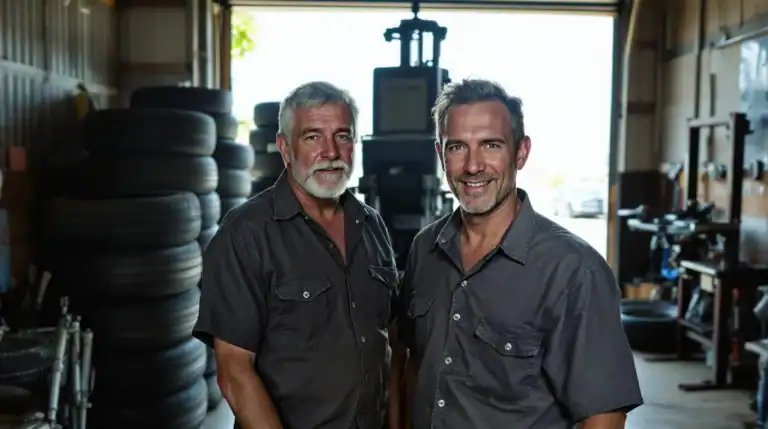
We’re a family-run father-and-son workshop with 18 years in the trade, and we’ve serviced hundreds of Toyotas across Mackay and the surrounding area. We invest in the right tools, which means our latest Snap-On diagnostic equipment can read Toyota’s brake system properly and find the real fault fast, not guess at problems. We use genuine or OEM-spec brake fluid, not budget alternatives that compromise your safety.
We’re also a one-stop shop, so if we find brake pads that need replacing while we’re flushing your fluid, we can sort it immediately without sending you elsewhere. Our TMR-approved inspection station means we can check your full braking system during an RWC inspection if that’s coming up. We give you honest advice and transparent quotes at a fair price, and our satisfaction guarantee means if you’re not happy with the work, we make it right. Our 4.7-star rating from over 89 five-star reviews reflects what our Mackay customers tell us about their experience with TFD Tyre & Mechanical.
Book Your Toyota Brake Fluid Change in Mackay
If your Toyota is due for a brake fluid change or if you’ve noticed any changes in your brake feel, the next step is simple. Call Us Today to discuss your vehicle’s service history, or Book Your Free Inspection online. We’ll get your brakes back to factory condition and make sure you know exactly what we found and why.