Your Jeep’s brake fluid is the hydraulic lifeline between your foot on the pedal and the brakes that stop your vehicle. Over time, brake fluid absorbs moisture from the air—even through sealed components—and degrades. Old or contaminated fluid reduces braking performance, increases stopping distance, and can damage brake components from the inside out. A Jeep brake fluid change in Mackay is one of those maintenance tasks that doesn’t announce itself with obvious symptoms, but neglecting it puts your safety and your Jeep’s brake system at real risk.
Why Jeep Brake Fluid Degrades and When It Needs Replacing
Brake fluid is hygroscopic, which means it actively absorbs moisture. Every time you use your brakes, heat is generated. Every time your Jeep sits in our Mackay climate—humid, salty air if you’re near the coast—moisture creeps into your brake system through microscopic gaps and the brake fluid itself. After three to five years, or around 80,000 to 100,000 kilometres, most Jeep models reach a point where the fluid has absorbed enough water to become a safety concern.
When moisture accumulates, brake fluid’s boiling point drops significantly. This matters most during hard braking or towing, when brakes heat up rapidly. If the fluid boils, it forms vapour bubbles in the brake lines. Bubbles compress, and compressed air cannot transmit hydraulic pressure. Your brake pedal goes soft, spongy, or in extreme cases fails entirely. You also get corrosion inside your brake calipers, wheel cylinders, and the master cylinder itself, which can lead to expensive repairs down the track.
Jeep vehicles, particularly Wrangler and Cherokee models, often see higher brake temperatures due to their weight distribution and the way owners tend to use them off-road or in towing scenarios. Your brake fluid condition directly affects how reliably your brakes respond in those situations.
Signs Your Jeep’s Brake Fluid Needs Attention
- Soft or spongy brake pedal that needs more pressure than usual to stop
- Brake pedal that feels like it travels further toward the floor than it used to
- Reduced braking power, especially when towing or descending steep grades
- Warning light on the dashboard related to brake system pressure
- Brake fluid that looks dark, murky, or smells burnt
- Any visible leaks around brake components or the master cylinder
If you notice any of these, your brakes need inspection and likely a fluid change urgently. Do not ignore these signs—they point to hydraulic pressure loss, which is a safety issue.
What Happens During a Jeep Brake Fluid Change
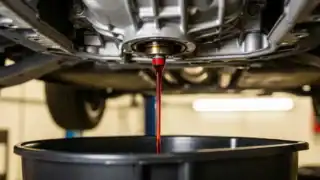
A proper brake fluid change is more than just draining the old fluid and pouring in new. We start by scanning your Jeep with our Snap-On diagnostic equipment to check for any brake system faults or pressure anomalies that might indicate deeper problems. This tells us whether the issue is simple fluid degradation or if something else—like a leaking seal or damaged component—needs attention before the fluid change.
Next, we locate all four brake bleeder valves (one on each wheel). Using a pressure bleeder or manual bleeding procedure, we flush the entire system methodically, starting at the wheel furthest from the master cylinder and working toward it. This removes all the old, contaminated fluid and replaces it with fresh, moisture-free Jeep-spec brake fluid. For your Jeep, we use genuine or OEM-equivalent fluid that meets Jeep’s DOT specifications—never cheap aftermarket substitutes that might not perform under heat or have inconsistent boiling points.
As we bleed, we watch for signs of contamination in the fluid as it exits each valve, and we listen for air bubbles. Once clean fluid flows from all four corners and no air remains in the lines, we test the brake pedal feel and verify that your Jeep stops as it should. We also inspect brake pads, rotors, hoses, and cylinders during the process—a fluid change is the perfect time to catch early wear or leaks.
What Affects Cost and How Long It Takes
A straightforward brake fluid change on most Jeeps takes between one and two hours, depending on whether we discover any additional issues during inspection. If your Jeep has been sitting for years, or if you’ve noticed a soft pedal, bleeding takes longer because we need to ensure all air is fully purged.
The cost depends mainly on the type of fluid your Jeep requires and whether we find damage during the service. If your brake hoses are cracked, if a caliper is leaking, or if the master cylinder is showing signs of internal corrosion, we’ll advise you of that before proceeding. We give you a transparent quote upfront—no surprises—and explain exactly what needs doing and why.
Why Choose TFD Tyre & Mechanical for Your Jeep Brake Fluid Service
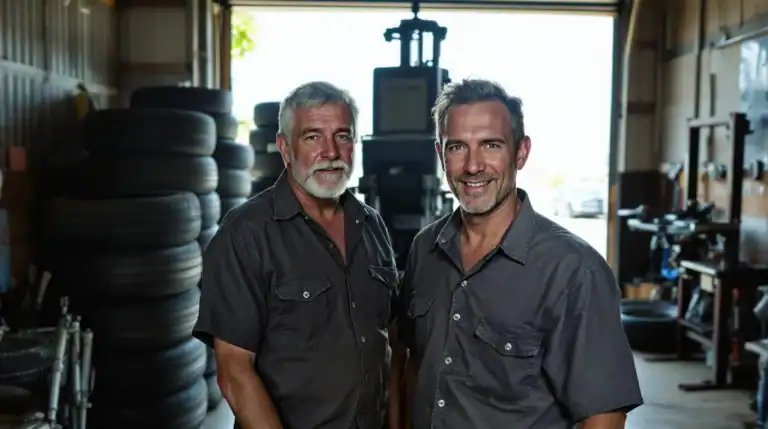
We’re a family-run workshop with 18 years in the trade, and we use Snap-On diagnostic equipment to identify the real fault fast. When it comes to your brakes, guessing isn’t an option. We inspect thoroughly, use genuine and OEM-spec brake fluid for your Jeep, and we stand behind our work with a satisfaction guarantee—if you’re not happy, we make it right.
Because we’re a one-stop shop handling mechanical work, tyres, wheel alignments, and RWC inspections under one roof, we see every angle of your Jeep’s condition. If your brake fluid degradation is related to a cooling system issue, we’ll spot it. If your brake wear is uneven due to suspension geometry, we can align your wheels at the same time. That saves you multiple trips around Mackay and keeps your vehicle safer. Our 4.7 star rating from over 89 reviews reflects our commitment to honest advice and transparent quotes at a fair price.
Book Your Jeep Brake Fluid Inspection in Mackay
If your Jeep is due for a brake fluid change or you’ve noticed any of the warning signs above, your safety depends on acting now. We’ll check your fluid condition, inspect your entire brake system with diagnostic precision, and give you an honest assessment of what’s needed. Book Your Free Inspection today or Call Us Today to get started.