Family-Run & Trusted
Genuine & OEM Parts
5★ Reviews
Satisfaction Guaranteed

Verified 5★ Reviews

Expert Hyundai Shock Absorber Replacement In Mackay

Worn shocks damage your Hyundai's handling and safety. We replace them with genuine OEM parts, fully inspect your suspension, and get you back on the road with confidence.

Expert Diagnostics

Honest Advice

5★ Reviews

Hyundai Shock Expertise

Book Your Free Inspection

Fill in the form and we'll get back to you shortly. No obligation.

Booking Form
  • Vehicle Details
  • Confirm Vehicle
  • Services
  • Contact Details
Transparent Quotes
Quality Parts Used
Satisfaction Guarantee

Why Book With Us

Book Your Free Inspection
Drop Off Your Car
We Get to Work
Back on the Road

Hyundai shock absorber replacement is one of those services that separates comfortable driving from a car that feels loose and unsafe on the road. Your shock absorbers do far more than just smooth out bumps—they keep your tyres in contact with the road, control body roll during cornering, and prevent that unsettling bounce after hitting a pothole. When they wear out, you’ll notice it immediately: the car dips hard under braking, bounces excessively, or feels wallowy around corners. In Mackay, where local roads can be uneven and we experience varied weather, worn shocks leave you vulnerable to loss of control in wet conditions or emergency manoeuvres. We inspect Hyundai models regularly and know exactly what to look for when diagnosing suspension wear.

Signs Your Hyundai Shock Absorbers Need Replacing

Before a shock fails completely, your Hyundai will send clear warning signs. The most obvious is excessive bouncing after you drive over a bump—the car should settle in one or two oscillations, not four or five. You might also notice the vehicle leans heavily to one side during cornering, or dips forward sharply when you brake hard. Some drivers hear clunking sounds from the suspension, especially over rough ground, or feel a lack of grip when the road is wet.

Worn shocks also affect your steering response. The front end might feel vague or delayed, as if the car takes a moment to respond to wheel input. This is particularly noticeable on Mackay’s more winding sections where precision matters. If your Hyundai is riding lower on one corner than the other, or if you see uneven tyre wear patterns (more wear on the outer edges), that’s another sign the suspension geometry is being affected by aged dampers.

Most Hyundai owners find worn shocks don’t announce themselves with a single dramatic failure—instead, the car gradually feels less stable and more fatiguing to drive. The good news is that replacement is straightforward, and once it’s done, you’ll feel the difference immediately.

How We Diagnose and Replace Hyundai Shock Absorbers

We start with a full suspension inspection using our Snap-On diagnostic equipment and a physical check of each shock absorber. We look for oil weeping (a sign the seal is broken), visible dents or damage to the body, and we test the resistance by pushing down on each corner of the car and releasing it—a worn shock won’t control the rebound properly. For Hyundai vehicles, we also check the upper and lower suspension mounting points, as these can wear alongside the shocks and affect alignment.

Once we’ve confirmed the shocks are the issue, we remove and replace them with genuine or OEM-spec parts matched to your exact Hyundai model. This matters more than many owners realise. Hyundai shock absorbers are tuned to the vehicle’s suspension geometry, spring rates, and weight distribution. A cheaper aftermarket part might feel fine initially, but it won’t provide the same damping characteristics or durability. We use parts that meet Hyundai’s original specifications, ensuring your car handles and rides exactly as it was designed to.

The replacement process typically involves removing the old shock, inspecting the mounting hardware and bushes, and installing the new unit with fresh fasteners. We also check the coil spring condition—if a shock has failed, the spring is often near the end of its life too. After fitting, we perform a test drive and wheel alignment check to confirm everything is sitting correctly and the steering is true.

What Influences Cost and Time for Shock Absorber Work

Several factors affect how much you’ll pay and how long the job takes. Are you replacing one shock or all four? A single replacement is quicker and cheaper, but if two or more are worn, it’s often worth replacing the set for balanced handling. Your Hyundai model also plays a role—some models have shocks that are easier to access than others, and suspension geometry varies across the range.

The type of parts you choose makes a real difference. OEM-spec shock absorbers cost more than cheap aftermarket alternatives, but they’re built to last longer and maintain your car’s intended ride and handling characteristics. We always recommend genuine or equivalent parts over budget options, because a failed shock mid-journey or accelerated wear isn’t worth the saving.

Availability can affect timing too. Most common Hyundai shocks are stocked or arrive within 24 hours, but if your model is less common or you need rear air suspension components, we’ll source the right part and let you know the timeframe upfront. We don’t guess—you’ll have a transparent quote before we begin.

Why Trust TFD Tyre & Mechanical for Hyundai Suspension Work in Mackay

We’re a family-run workshop with 18 years in the trade, and we’ve built our reputation on honest advice and transparent quotes. We use Snap-On diagnostic equipment to find the real fault fast, not just replace parts you don’t need. For Hyundai shock absorber replacement, that means you’re not paying for unnecessary work—we diagnose the problem clearly, show you what needs doing, and explain why.

As a one-stop shop, we handle tyres, mechanical work, wheel alignments, and suspension diagnostics under one roof. That’s a real advantage when you need shock replacement, because we can also check your alignment, inspect your tyres for uneven wear caused by the worn shocks, and confirm everything works together. You’re not sent between three different workshops—we look after the whole picture. We’re TMR-approved for RWC and COI inspections, and ARCtick-licensed for air conditioning work as well.

All our work comes with a satisfaction guarantee. If you’re not happy with the result, we make it right. We also use genuine and OEM-spec parts, not cheap substitutes, so you know what you’re getting is built to last. With 4.7 stars from over 89 five-star reviews, our customers trust us to get the job done properly.

Book Your Hyundai Shock Absorber Inspection in Mackay

If your Hyundai feels bouncy, unstable, or your steering has lost its sharpness, it’s time to have the suspension checked. We’ll inspect your shocks, run diagnostics, and give you a straight answer about what needs replacing. Book Your Free Inspection online or Call Us Today, and we’ll get you back to safe, confident driving.

Other Services

Whatever your needs we have you covered, see some similar services below or click "See All Services" to explore our full service offering.

Honest Mechanics Mackay Drivers Rely On

Family-run by Mark and Elijah with 18 years in the trade, we give you straight answers, fair prices, and quality parts — not the runaround.

Honest, Upfront Quotes

You’ll know exactly what’s needed and what it costs before we touch your car.

Latest Snap-On Diagnostics

Bring your vehicle in and we’ll assess it and give you a clear, honest quote upfront.

Genuine Hyundai Parts

OEM-spec replacement shocks keep your Hyundai riding smooth and safe.

How Hyundai Shock Absorber Replacement Works

Book your free inspection and we'll handle your Hyundai shock absorber replacement from diagnosis through safe collection.

Step 1

Book Your Free Inspection

Book your free inspection to assess your Hyundai's suspension and shock absorber condition with our team.

Step 2

Suspension & Shock Diagnosis

We inspect suspension components, test damping performance, and confirm which shocks require replacement.

Step 3

Precision Shock Replacement

We fit genuine OEM-spec Hyundai shock absorbers, torque fasteners to specification, and verify suspension geometry.

Step 4

Final Check & Collection

We road test your Hyundai to confirm smooth handling, then notify you your vehicle is ready for collection.

Rated 4.7 Stars by Our Customers

Verified 5★ Reviews

Quality Parts From Trusted Suppliers

We fit genuine and OEM-spec parts sourced from reputable suppliers. No cheap substitutes - just quality components that do the job properly.

Book Your Free Inspection

Fill in the form and we'll get back to you shortly. No obligation.

Booking Form
  • Vehicle Details
  • Confirm Vehicle
  • Services
  • Contact Details
Transparent Quotes
Quality Parts Used
Satisfaction Guarantee

Why Book With Us

Book Your Free Inspection
Drop Off Your Car
We Get to Work
Back on the Road

Got Questions? We Have Answers

Browse the questions below for quick answers about our services. If yours isn't listed, give us a call and we'll sort you out.

Shock absorbers are dampers that control how your suspension moves when you hit bumps or corners. Over time, they wear out and lose their ability to absorb energy effectively, causing your car to bounce excessively, handle poorly, and wear tyres unevenly. When they fail, replacing them restores your Hyundai’s ride comfort, handling, and braking performance. Signs you need replacement include excessive bouncing after bumps, nose-diving under braking, or a harsh, bumpy ride.

Common warning signs include the car bouncing several times after hitting a bump instead of settling quickly, a noticeably harsher ride over rough roads, excessive sway when cornering, uneven tyre wear, or the vehicle sitting lower on one side. You might also notice longer braking distances or a clunking sound from the suspension. If you spot any of these, have them inspected soon to avoid safety issues and further suspension damage.

No, worn shocks compromise your safety. They reduce your car’s stability, increase braking distance, and make it harder to maintain control in emergency situations or on wet roads. Worn shocks also accelerate wear on other suspension parts and tyres, creating additional hazards. If you suspect your shocks are failing, avoid long drives or motorway travel and get them inspected and replaced as soon as possible to restore safe handling.

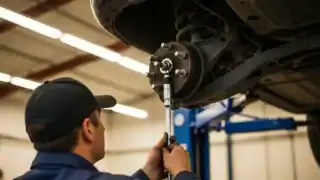
We safely lift your Hyundai, remove the wheel, and disconnect the old shock from its mounting points. We then install the new shock absorber, reconnect it securely, and check that all fasteners are tight. After lowering the vehicle, we test the suspension and take the car for a test drive to confirm smooth operation. The whole process usually takes a couple of hours depending on whether it’s a single or both sides needing replacement.

We fit genuine and OEM-specification parts matched to your Hyundai’s make and model. Genuine parts ensure proper fit, performance, and durability, and they’re designed to work with your vehicle’s specific suspension geometry. We don’t use cheap aftermarket substitutes that may fit loosely or wear faster. When you book your replacement, we’ll confirm exactly what parts your Hyundai needs and provide a transparent quote before starting work.

Cost depends on which shocks need replacing (front, rear, or both), your Hyundai model, and parts availability. Genuine parts and labour add up, but the investment protects your safety and prevents costlier suspension damage down the road. We’ll provide a detailed, transparent quote once we inspect your vehicle and identify exactly what’s needed. Call Us Today or Book Your Free Inspection so we can give you an accurate price for your specific situation.

Most shock absorbers last between 50,000 and 100,000 kilometres, though this varies based on driving conditions and vehicle load. Rough roads, frequent heavy braking, or carrying heavy loads accelerates wear. There’s no fixed service interval; it depends on when they actually fail. Check your Hyundai’s logbook for any specific guidance, and have your suspension inspected during regular services so we can spot wear early and replace shocks before they cause problems.

Generally speaking, Australian consumer law under ACCC guidance does not require you to use a franchised dealer for servicing to maintain your warranty. Independent workshops can service and repair your Hyundai without affecting warranty coverage, provided the work is done correctly and genuine or equivalent parts are used. However, warranty terms vary between manufacturers and policies, so we recommend checking your specific warranty documents or contacting your Hyundai dealer to confirm your coverage before proceeding.

Often yes, depending on parts availability and our current workload. We keep common Hyundai shocks in stock, so many replacements can be completed the same day or within 24 hours. If your model requires an order, we’ll let you know the expected timeframe upfront. Call Us Today to check availability for your specific Hyundai, and we’ll do our best to minimise downtime while ensuring the job is done right.

Hyundai suspension systems are engineered with specific damping rates, mounting angles, and attachment points suited to their vehicle designs. Using genuine Hyundai shocks ensures these specifications are met exactly. Aftermarket or cross-brand parts may not match this geometry, leading to poor ride quality, uneven wear, or handling issues. We use diagnostic equipment to identify exactly what your Hyundai needs, so you get the right part fitted correctly the first time.

Not always, but it’s smart to check. Replacing shocks can sometimes affect wheel alignment, especially if suspension components have shifted. After fitting new shocks, we inspect the alignment and perform a full wheel alignment if needed. This ensures even tyre wear, better handling, and longer tyre life going forward. We have modern alignment equipment on site, so we can do this without sending you elsewhere.

Shock absorbers are separate damping units bolted to your suspension framework, while struts combine the shock absorber, spring, and mounting hardware into one unit. Many Hyundais use struts rather than traditional shocks. The names are sometimes used interchangeably in conversation, but the replacement process differs. When you book, let us know your Hyundai model and we’ll confirm whether you have shocks or struts and what the replacement involves.

Continue to site