A Hyundai suspension repair becomes necessary when your vehicle’s suspension components wear out, fail, or show signs of damage. The suspension system is what keeps your Hyundai connected to the road, absorbs bumps, and keeps you stable during cornering and braking. When suspension parts deteriorate, you’ll notice it immediately through how your car handles, rides, and sounds. Our team at TFD Tyre & Mechanical inspects Hyundai suspensions regularly and uses Snap-On diagnostic equipment to pinpoint exactly what’s causing the problem before we recommend repairs. This precision approach means we identify the real issue fast, whether it’s a worn strut, failed shock absorber, or damaged control arm.
Common Signs Your Hyundai Suspension Needs Repair
Hyundai suspensions typically show wear through a range of symptoms that are hard to ignore. The most obvious signs include:
- A noticeably bouncy or soft ride, especially after bumps or over speed humps.
- Clunking or knocking sounds from underneath the vehicle when driving over uneven surfaces.
- The car pulling to one side during braking or normal driving, even with steering wheel straight.
- Excessive sway or leaning when turning corners.
- Uneven tyre wear, often visible as heavier wear on the inner or outer edge of tyres.
- The front or rear end visibly lower on one side, suggesting a collapsed spring or strut.
- A creaking or squeaking noise from the suspension when the vehicle rolls over bumps.
Many Hyundai owners also report that their vehicle feels less responsive or stable than it used to, even if they can’t pinpoint an exact noise or movement. That’s often suspension play developing in bushings, ball joints, or anti-roll bar links. Some drivers bring their Hyundai in for a wheel alignment and discover during inspection that worn suspension components are actually the root cause of tyre wear. In Mackay, where roads range from smooth suburban streets to rougher rural routes, suspension wear is common, and catching it early prevents more expensive damage to steering geometry and tyres.
What Happens During a Hyundai Suspension Repair Assessment
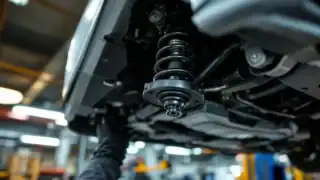
When you bring your Hyundai to TFD Tyre & Mechanical, we start with a thorough inspection of the entire suspension system. This includes visual checks of shock absorbers, struts, springs, control arms, ball joints, bushings, and anti-roll bar components. We look for visible cracks, leaks from shocks, excessive play in joints, and rust or corrosion that can weaken parts over time.
Next, we use our Snap-On diagnostic equipment to perform a full suspension check. This isn’t just a visual inspection. We test ride the vehicle, feeling how it responds to bumps, listening for noises, and observing how the suspension settles after compression. For Hyundai models, we also cross-reference your vehicle’s service history and model-specific suspension known issues. Certain Hyundai generations have particular wear patterns we’ve learned to spot quickly, such as strut mount bearing wear on older i30 models or lower arm ball joint fatigue on Tucson models. This brand-specific knowledge means we diagnose faster and more accurately.
Once we’ve identified the worn or failed components, we provide you with a transparent quote that outlines exactly what needs replacing, whether we’re using genuine Hyundai parts or OEM-spec equivalents, and what the repair will achieve. We never recommend replacing more than is necessary, and we’re upfront if a repair can be deferred or if it’s critical to your vehicle’s safety and handling.
Cost and Timeline Factors for Hyundai Suspension Repair
Several factors influence how much a suspension repair costs and how long it takes. A simple repair like replacing worn bushings or ball joints on one side of the vehicle typically takes less time than replacing struts on both front corners. If your Hyundai needs coil springs replaced, that’s more involved than a shock absorber swap because springs carry the vehicle’s weight and require proper setup and alignment checks afterward.
Parts availability also matters. Genuine Hyundai parts are usually in stock or arrive quickly through our supplier network, but some components may need to be ordered if you own an older model or if damage is more extensive than initial inspection suggests. We always discuss parts options with you before starting work so you know whether we’re fitting genuine or equivalent parts and what that means for warranty and longevity.
The condition of surrounding components can also affect cost. For example, if we’re replacing front struts and discover that control arm bushings are also worn, we may recommend addressing them at the same time to avoid a repeat visit or further steering issues. We present these options clearly so you can make an informed decision about what to repair now versus what to monitor.
Why TFD Tyre & Mechanical Handles Hyundai Suspension Repair Differently
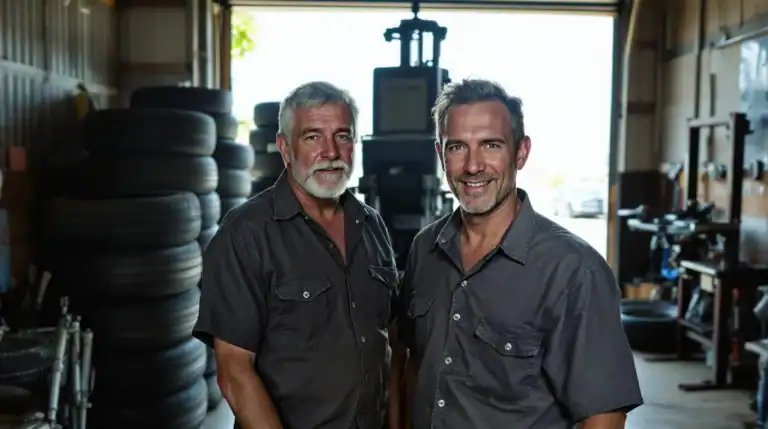
We’re a family-run father-and-son workshop with 18 years in the trade, and suspension repair is core to what we do. We have genuine and OEM-spec parts on hand for most Hyundai models, and we use Snap-On diagnostic equipment to find the real fault fast rather than guessing or recommending unnecessary work. That precision saves you money and time, and it means you’re not paying for parts you don’t need.
We’re also a one-stop shop. If your suspension repair reveals that your wheel alignment is out, we can align your wheels in-house using the same visit. If you need new tyres after suspension work, we fit them here as well. We also offer TMR-approved RWC and COI inspections, ARCtick-licensed air conditioning service, and logbook servicing. That convenience means you’re not being sent between a tyre shop, a mechanic, and an alignment centre across Mackay.
Our satisfaction guarantee means if you’re not happy with the repair or the result, we make it right. We stand behind our work and we use quality parts that last, not cheap substitutes that fail in six months. With 89+ five-star reviews, our customers trust us to be honest about what their Hyundai needs and to do the job properly the first time.
Next Steps for Your Hyundai Suspension
If your Hyundai is showing any of the suspension symptoms described above, the best first step is to have us perform a full suspension assessment. Book Your Free Inspection with us today using our online booking system, or Call Us Today. Our team will perform a comprehensive suspension assessment and give you a clear plan forward. We’ll explain what we find in plain language and what your options are, so you can make an informed decision about your vehicle’s safety and handling.