Family-Run & Trusted
Genuine & OEM Parts
4.7★ Rating
Satisfaction Guaranteed

4.7 (89+ 5★ Reviews)

Tried & Trusted Japanese Vehicles Brake Service In Mackay

We inspect, service and repair Japanese vehicle braking systems in Mackay using genuine parts and diagnostic equipment. Book your free inspection to understand your brakes' needs.

Expert Diagnostics

Honest Advice

4.7★ Rating

Japanese Brake Diagnostics

Book Your Free Inspection

Fill in the form and we'll get back to you shortly. No obligation.

Booking Form
  • Vehicle Details
  • Confirm Vehicle
  • Services
  • Contact Details
Transparent Quotes
Quality Parts Used
Satisfaction Guarantee

Why Book With Us

Book Your Free Inspection
Drop Off Your Car
We Get to Work
Back on the Road

Brake problems on Japanese vehicles demand attention fast. Whether you drive a Toyota, Nissan, Mazda, Mitsubishi, or another Japanese make, your brakes are one of the few systems where a small fault can become a serious safety issue in days. Japanese vehicles brake service in Mackay covers everything from diagnosing soft or spongy pedals to replacing worn pads and rotors, resurfacing components, and testing hydraulic fluid integrity. We see Japanese vehicle brake issues regularly, and most of them are straightforward to fix once we’ve pinpointed the real cause. That’s where our Snap-On diagnostic equipment makes the difference — we find faults fast and accurately, so you’re never paying for guesswork or unnecessary parts.

Common Warning Signs Your Japanese Vehicle Needs Brake Service

Your brakes tell you when they need attention. Listen and feel for these signals:

  • Soft or spongy brake pedal that sinks toward the floor when you press it
  • Brake pedal feels hard and requires extra pressure to stop
  • Squealing, grinding, or metallic noise when braking
  • Brake fluid warning light on your dashboard
  • Visible brake fluid leak under the car (fluid appears clear, amber, or dark)
  • Uneven braking — car pulls to one side when you stop
  • Vibration or pulsing through the pedal
  • Brake warning light stays on after the engine starts

Japanese vehicle brake systems are engineered to last, but they do rely on consistent fluid quality and component condition. If you notice any of these signs, get your brakes inspected before the next long drive. Brake failures don’t usually happen without warning — your car is communicating that something needs fixing.

How We Diagnose and Service Japanese Vehicle Brakes

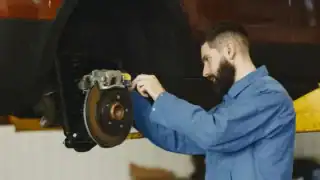
Every Japanese vehicles brake service starts with a full system inspection. We don’t assume pads are worn just because the warning light is on — we measure pad thickness, check rotor condition, inspect brake lines for corrosion or damage, and examine fluid colour and condition. Our Snap-On diagnostic equipment allows us to test hydraulic pressure and identify whether the issue is a simple pad replacement or something more complex like a stuck caliper or master cylinder fault.

Once we know what’s happening, we explain it clearly. Japanese vehicle manufacturers typically recommend OEM-specification parts and fluid for brake work — we use genuine and OEM-spec replacements, not cheap substitutes. This matters because brake components are safety-critical, and cheap aftermarket parts can feel mushy, fail prematurely, or damage your vehicle’s ABS system if the wrong fluid is used.

Our Japanese Brake Service Process

  • Full brake system inspection, including all four wheels, hoses, and fluid condition
  • Diagnostic testing using Snap-On equipment to identify hydraulic faults
  • Measurement of pad thickness and rotor condition
  • Assessment of fluid quality and brake line integrity
  • Transparent quote before we proceed with any work
  • Genuine or OEM-spec parts replacement as needed
  • Brake bleed and fluid flush if contamination is present
  • Road test to confirm braking feel and performance

Japanese vehicle logbook servicing schedules often specify brake fluid changes every 12 months or 20,000 km, regardless of apparent condition. We align our service intervals with your vehicle’s original manufacturer recommendations, so your warranty and reliability stay protected.

Cost and Time Factors for Brake Service

Several variables affect how long brake service takes and what it costs. A simple pad replacement is quicker than diagnosing and repairing a hydraulic fault. The availability of OEM-spec parts can vary — Japanese vehicles brake components are generally well-stocked in Mackay, but some models or older vehicles may need ordering. Rotor condition also plays a role; if rotors can be resurfaced, cost is lower, but if they need replacement, labour and parts increase proportionally.

We always quote before starting work, so you’ll know the cost before you authorise repairs. We won’t recommend expensive parts unless inspection shows they’re actually needed. If your brakes are safe to drive to an appointment, we’ll say so rather than pushing an emergency service you don’t require.

Why Choose TFD Tyre & Mechanical for Japanese Vehicle Brake Service in Mackay

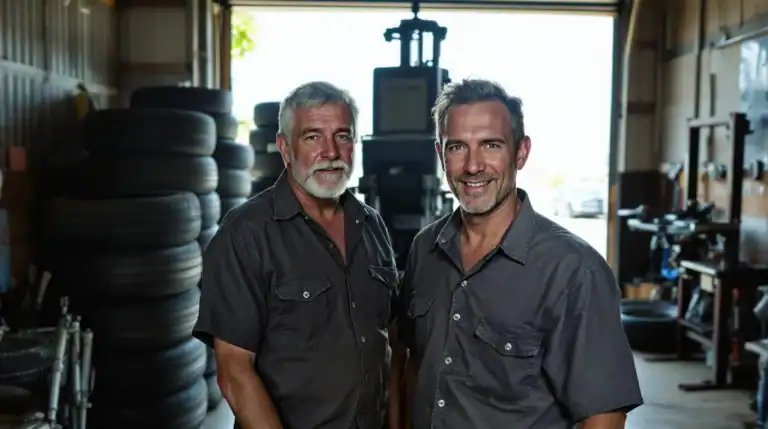
We’re a family-run father-and-son workshop with 18 years in the trade. Our reputation rests on honest advice and transparent quotes at a fair price — not on being the cheapest, but on being straightforward about what your car actually needs.

For Japanese vehicle brake service, our advantages include latest Snap-On diagnostic equipment to find faults fast and accurately, genuine and OEM-spec parts matched to your vehicle’s original specifications, one-stop shop capability so you don’t need to bounce between a mechanic and a tyre shop, and a satisfaction guarantee — if you’re not happy with the work, we make it right. We’ve serviced hundreds of Japanese vehicles across the Mackay region, from commuter cars to older models, and we understand how these systems perform in our local conditions. Our team holds TMR-approved qualifications for RWC and COI inspections, and we’re ARCtick-licensed for air conditioning work, meaning your Japanese vehicle receives service across the full mechanical and tyre spectrum under one roof.

Next Steps

If your brakes feel soft, sound strange, or your warning light is on, Book Your Free Inspection online or Call Us Today. We’ll diagnose the fault, explain what’s needed, and give you a clear quote before any work starts. Brakes are too important to guess about — let’s get yours sorted properly.
Other Services

Whatever your needs we have you covered, see some similar services below or click "See All Services" to explore our full service offering.

Honest Mechanics Mackay Drivers Rely On

Family-run by Mark and Elijah with 18 years in the trade, we give you straight answers, fair prices, and quality parts — not the runaround.

Honest, Upfront Quotes

You’ll know exactly what’s needed and what it costs before we touch your car.

Latest Snap-On Diagnostics

Bring your vehicle in and we’ll assess it and give you a clear, honest quote upfront.

Japanese Brake Expertise

We source OEM-spec parts and know how Japanese brakes work for your vehicle.

Brands We Service

Whatever your needs chances are we have you covered, see other brands we service below or click "See All Brands" to see the full list of brands we service.

How Japanese Brake Service Works

From your free inspection through to safe, responsive brakes, here's what happens.

Step 1

Book Your Free Inspection

Book your free inspection to diagnose your Japanese vehicle's brake condition and needs.

Step 2

Japanese Brake System Inspection

We measure pad thickness, rotor condition, and fluid quality using Japanese-spec procedures.

Step 3

Precision Brake Repair

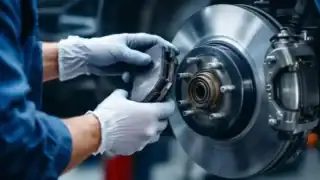
We fit OEM-spec brake pads, service or replace rotors, and bleed to manufacturer standard.

Step 4

Safety Test and Collection

We test-drive your vehicle, verify responsive braking, and return it ready for the road.

Rated 4.7 Stars by Our Customers

4.7 (89+ 5★ Reviews)

Quality Parts From Trusted Suppliers

We fit genuine and OEM-spec parts sourced from reputable suppliers. No cheap substitutes - just quality components that do the job properly.

Book Your Free Inspection

Fill in the form and we'll get back to you shortly. No obligation.

Booking Form
  • Vehicle Details
  • Confirm Vehicle
  • Services
  • Contact Details
Transparent Quotes
Quality Parts Used
Satisfaction Guarantee

Why Book With Us

Book Your Free Inspection
Drop Off Your Car
We Get to Work
Back on the Road

Got Questions? We Have Answers

Browse the questions below for quick answers about our services. If yours isn't listed, give us a call and we'll sort you out.

A Japanese vehicles brake service includes inspecting brake pads, rotors, discs, hoses, and fluid condition. We test the brake system for responsiveness and stopping power, replace worn pads or rotors as needed, top up or flush fluid if required, and check calipers and wheel cylinders for leaks or damage. We use diagnostic equipment to identify any issues early, so you know exactly what needs work before we start.

Brake service intervals depend on your driving habits and local conditions. Most vehicles benefit from a brake inspection every 12 months or 15,000 kilometres, whichever comes first. If you do a lot of city driving with frequent stopping, or tow a trailer, your brakes may wear faster. We’ll check your pads and rotors during your regular logbook service and let you know if earlier attention is needed.

Watch for soft or spongy pedal feel, longer stopping distances, brake warning lights on the dashboard, grinding or squealing noises, or a burning smell after braking. Vibration through the pedal can indicate warped rotors. Don’t ignore these signs. Worn brakes reduce your stopping ability and compromise safety for you and others on the road. If you notice any of these symptoms, book a brake inspection promptly.

Australian consumer law under ACCC guidance generally allows you to have your vehicle serviced by qualified independent mechanics without affecting your manufacturer warranty, provided the service is done to the manufacturer’s specifications and genuine or OEM-equivalent parts are used. We use genuine and OEM-spec parts, not cheap substitutes, and follow your logbook schedule. Check your warranty paperwork for specific terms, or ask us to review it with you.

A basic brake inspection and pad replacement typically takes 1 to 2 hours. If rotors need turning or replacement, or if we discover other issues during diagnostics, it may take longer. We’ll give you a clear timeframe once we’ve inspected your vehicle. For jobs in Mackay, we’ll keep you updated and let you know if we need your vehicle for longer than expected.

Yes. We use genuine and OEM-spec parts for all brake work, matched to your specific make and model. Using quality parts makes sure your brakes perform reliably and meet manufacturer specifications. We won’t fit cheap aftermarket alternatives that compromise stopping power or durability. You’ll get a transparent quote showing the parts we recommend before any work starts.

Continuing to drive with worn or damaged brakes increases your stopping distance and risks brake failure. You may lose pedal feel suddenly, leaving you unable to stop safely. This puts you, your passengers, and other road users at serious risk. Brake damage also worsens quickly once it starts, turning a simple pad replacement into rotor damage or caliper work. Addressing brake issues early is safer and cheaper than waiting.

Yes. We’re a TMR-approved inspection station and can perform logbook servicing for most vehicles, including Japanese makes. We’ll service your brakes to manufacturer specifications, use genuine parts, and stamp your logbook so your service history is properly recorded. This keeps your warranty protection on track and gives future owners proof of regular maintenance.

Brake fluid absorbs moisture over time, which reduces stopping power and can corrode internal brake components. A flush removes old fluid and replaces it with fresh fluid, restoring braking performance. If your fluid is discoloured or you haven’t flushed in several years, a full flush is the right call. We’ll inspect your fluid during service and recommend a flush only if it’s needed, not as routine upsell.

Squealing can come from wear indicators on brake pads, dust buildup, or moisture on rotors after wet weather. It’s often not urgent, but it’s a sign your pads are wearing and need checking soon. Sometimes squealing indicates caliper issues or the need for a rotor resurface. We’ll diagnose the actual cause during inspection rather than guessing. Early attention usually costs less than waiting for pads to wear completely.

Continue to site