Subaru suspension repair is about keeping your vehicle planted, responsive, and safe on Mackay’s mix of highway stretches and local suburban roads. Unlike brakes or tyres, suspension problems don’t announce themselves with noise or obvious warning signs—they creep up gradually, making your drive feel less planted or your car sit lower on one corner. When your Subaru’s suspension is struggling, every bump transfers directly to the chassis, steering becomes heavier, and over time you risk damage to other components. Getting suspension issues diagnosed early by a qualified mechanic can save you from a much bigger repair bill down the track.
Common Signs Your Subaru Suspension Needs Attention
The best time to catch suspension wear is before it becomes a safety issue. Watch for these telltale symptoms:
- Vehicle sits noticeably lower on one side or the front dips when you brake
- Bouncing or excessive movement after hitting bumps – the car takes several seconds to settle
- Clunking, creaking, or knocking sounds from the front end, especially over rough road surfaces
- Steering feels loose, vague, or unresponsive compared to normal
- Uneven tyre wear, particularly the inner or outer edge wearing faster than the centre
- Vehicle pulls to one side during braking or gentle cornering
- Increased body roll or swaying when taking corners at normal speed
Subaru models – particularly the popular Outback, Forester, and Legacy ranges – tend to see suspension wear around 80,000 to 120,000 kilometres, especially if you drive on rough roads or carry heavy loads regularly. The springs, struts, and bushes that keep your suspension working smoothly wear at different rates depending on your driving habits and local road conditions.
How We Diagnose and Repair Subaru Suspension Issues
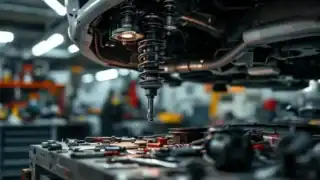
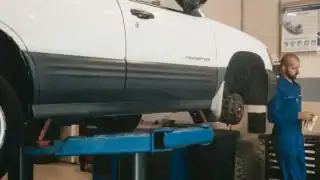
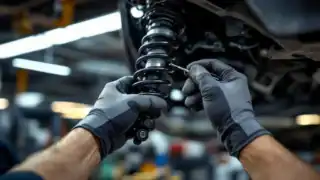
Suspension repair isn’t a one-size-fits-all job. We start with a thorough visual and physical inspection by lifting the vehicle safely and checking each suspension component for wear, damage, or play in the joints. Our technicians look for bent control arms, worn strut mounts, leaking or sagging struts, cracked or perished rubber bushes, and loose bolts or fasteners.
For Subaru vehicles specifically, we’re familiar with the brand’s suspension geometry and common wear patterns. Subarus often develop bush wear in the lower control arm mounts and front strut top mounts, which can create that clunking sound you hear over bumps. We inspect these pressure points closely because addressing them early prevents knock-on damage to the strut itself or the steering components that sit above it.
If the inspection suggests worn struts, we typically perform a bounce test and check the suspension’s response to hard braking – both reveal whether damping is shot. We’ll also measure vehicle ride height and check wheel alignment, since suspension wear almost always throws your tracking out. Using our latest Snap-On diagnostic equipment, we can identify the exact cause of your symptoms, not just guess based on what sounds loudest.
Once we’ve pinpointed the issue, we’ll explain what needs to be done and show you transparent pricing before we touch anything. Depending on the diagnosis, Subaru suspension repair might involve replacing struts, fitting new bushes, re-torquing control arm bolts, or in some cases addressing steering tie-rod ends that have worn as a consequence of suspension damage.
What Affects Time and Cost for Suspension Work
Several factors shape the scope and cost of Subaru suspension repair. The severity of wear matters – replacing a single bush takes less time than removing and refitting a full strut assembly. Parts availability also plays a role; genuine Subaru suspension components are readily sourced, though lead times can extend if a part needs to be ordered in.
Whether you choose genuine OEM-spec Subaru parts or quality aftermarket equivalents affects both cost and longevity. We always recommend genuine or OEM-equivalent parts for suspension – they’re engineered to match your Subaru’s geometry and ride characteristics, and they typically outlast cheaper substitutes. Fitting an inferior strut or bush might save money upfront, but you’ll often find yourself back in for the same repair in two years.
The complexity of your vehicle matters too. A Subaru Outback with all-wheel-drive suspension is more involved to work on than a Legacy sedan, simply because of access and component density. Front-end work typically takes longer than rear suspension repairs. If we discover that suspension damage has thrown your wheel alignment out significantly, we’ll flag that as a separate but essential service to protect your new tyres and maintain safe handling.
Why Choose TFD Tyre & Mechanical for Your Subaru Suspension Repair in Mackay
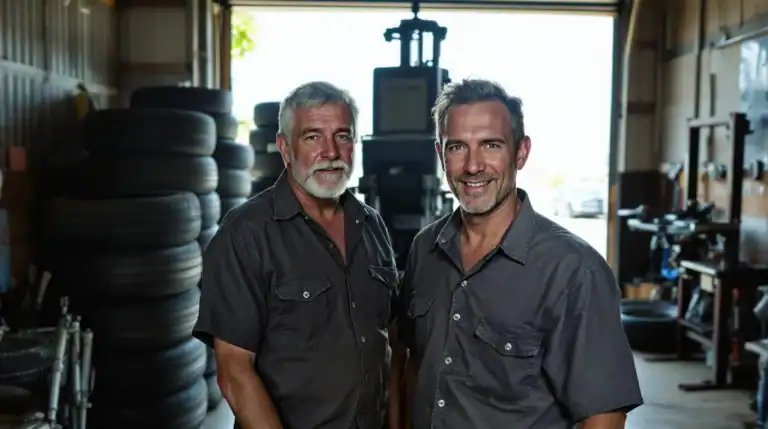
We’re a family-run father-and-son workshop with 18 years of experience in the trade, and suspension diagnosis is something we do regularly. We use latest Snap-On diagnostic equipment to find the real fault fast, so you’re never paying for parts you don’t need. We fit genuine and OEM-spec parts, not cheap substitutes that’ll wear out and leave you stranded.
We’re also a one-stop shop – tyres, mechanical, wheel alignments, and inspections all under one roof. If suspension wear has affected your wheel alignment or tyre wear, we can sort that in the same visit rather than sending you between different workshops. Our satisfaction guarantee means if you’re not happy with the work, we make it right. With over 89 five-star reviews, our customers trust us to deliver honest advice and transparent quotes at a fair price.
Get Your Subaru Suspension Checked Today
If you’ve noticed any of the symptoms above, don’t ignore them. A bouncy or clunking suspension isn’t just uncomfortable – it’s a safety issue that affects braking, steering, and tyre life. Book Your Free Inspection with us today, or Call Us Today if you’d prefer to chat through what you’re experiencing. We serve Mackay and the surrounding area, and we’ll give you an honest assessment and a transparent quote before we start any work.