Family-Run & Trusted
Genuine & OEM Parts
4.7★ Rating
Satisfaction Guaranteed

4.7 (89+ 5★ Reviews)

Tried & Trusted Japanese Vehicles Suspension Repair In Mackay

We diagnose and repair suspension issues on Japanese vehicles in Mackay using Snap-On diagnostics to find the real fault fast. Book your free inspection today.

Expert Diagnostics

Honest Advice

4.7★ Rating

Japanese Suspension Diagnostics

Book Your Free Inspection

Fill in the form and we'll get back to you shortly. No obligation.

Booking Form
  • Vehicle Details
  • Confirm Vehicle
  • Services
  • Contact Details
Transparent Quotes
Quality Parts Used
Satisfaction Guarantee

Why Book With Us

Book Your Free Inspection
Drop Off Your Car
We Get to Work
Back on the Road

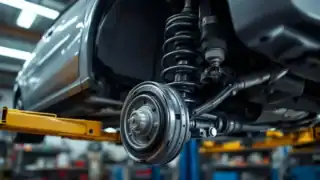
Japanese vehicles suspension repair is one of those services that doesn’t always announce itself loudly until something feels obviously wrong. A clunking noise over bumps, a car that leans too far into corners, or steering that feels less responsive than it used to — these are the moments when drivers in Mackay realise their suspension needs attention. At TFD Tyre & Mechanical, we’ve spent 18 years working on Japanese vehicles, and we’ve learned that catching suspension issues early keeps your car safe, your wallet lighter, and your driving experience smooth.

Common Signs Your Japanese Vehicle’s Suspension Needs Inspection

Japanese vehicles from Toyota, Nissan, Mazda, Mitsubishi and Honda are engineered for reliability, but their suspension systems are still mechanical assemblies that wear over time. Road conditions in and around Mackay — from standard suburban driving to rougher rural routes — put real stress on springs, shocks, control arms and stabiliser links.

Watch for these warning signs:

  • Clunking or rattling sounds when driving over bumps or rough patches
  • The car sits lower on one side than the other (sagging springs)
  • Bouncing that doesn’t settle after hitting a pothole
  • Steering feels loose, vague, or delayed when turning
  • The car leans heavily to one side when cornering
  • Uneven tyre wear, which often signals suspension misalignment
  • A spongy or soft feel to the brake pedal (worn suspension can affect brake geometry)

Some of these symptoms develop gradually, so you might not notice them until they become obvious. Others appear suddenly after hitting a pothole or kerb. Either way, Japanese vehicles suspension repair becomes necessary when the system can no longer keep the wheels properly aligned with the road.

How We Diagnose and Repair Japanese Vehicle Suspension Issues

Japanese vehicle manufacturers — particularly Toyota and Nissan — publish specific suspension service schedules and diagnostic procedures. These vehicles often use double-wishbone front suspension or multi-link rear setups that require precise measurement and alignment to function correctly. When you bring your Japanese vehicle to us, we follow OEM-level diagnostics using our latest Snap-On diagnostic equipment to identify the real fault quickly, not guess.

Here’s what our suspension inspection covers:

Visual assessment: We look for visible damage to suspension arms, bent or cracked components, leaking shock absorbers, and worn rubber bushings. These issues are often the first sign that repair is needed.

On-vehicle testing: Our technicians check how the suspension responds to compression and rebound. A shock absorber that compresses too easily or doesn’t rebound properly is failing, and Japanese vehicles are particularly sensitive to this — they’re tuned for responsive handling, so worn shocks become immediately noticeable.

Wheel alignment measurement: Suspension damage often throws wheel alignment out. We measure camber, caster and toe angles against the manufacturer’s specifications. For Japanese vehicles, this precision matters because many models rely on tight alignment tolerances to achieve their fuel efficiency and handling balance.

Parts inspection: Ball joints, tie rod ends, control arm bushings and stabiliser links all wear at different rates. We assess each one individually rather than replacing components as a package unless damage warrants it.

Once we’ve identified what needs repair, we explain exactly what’s worn, why it matters for your safety and comfort, and what your options are. Many Japanese vehicle owners are surprised to learn that a single worn component — such as a stabiliser link — can create the sensation of a major suspension failure, which is why accurate diagnosis saves both time and money.

What Affects Repair Cost and Timeframe for Japanese Vehicle Suspension Work

Several factors influence how much Japanese vehicles suspension repair will cost and how long it takes.

Severity of wear: Replacing a single worn shock absorber or stabiliser link is a day’s work. Full suspension overhaul involving springs, multiple arms, and bushings takes longer and involves more parts.

Parts availability: Japanese vehicles generally have excellent parts availability in Australia, and OEM-spec suspension components are often reasonably priced compared to European vehicles. We stock genuine and OEM-equivalent parts rather than cheap substitutes, which means your Japanese vehicle performs as the manufacturer intended.

Vehicle access and complexity: Some Japanese models have straightforward suspension geometry; others require more time to remove and replace components. Our 18 years of experience means we understand each model’s quirks and can work efficiently.

Alignment requirements: After suspension repair, wheel alignment is essential. We perform full alignment checks as part of our suspension work, and we’re equipped to handle this in-house rather than sending you elsewhere.

We always provide a transparent quote before starting work, so you’ll know exactly what’s needed and what it’ll cost — no surprises.

Why Choose TFD Tyre & Mechanical for Japanese Vehicle Suspension Repair

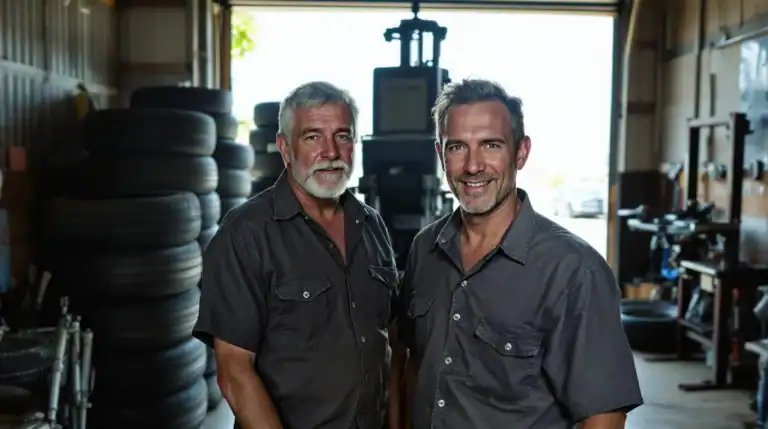
We’re a family-run workshop — father Mark and son Elijah — with 18 years in the trade. That experience shows in how we approach Japanese vehicles. We understand the engineering philosophy behind Japanese suspension design, and we service these vehicles to the same standards their manufacturers expect.

We use latest Snap-On diagnostic equipment to find the real fault fast, rather than replacing parts and hoping the noise disappears. We fit genuine and OEM-spec parts, not cheap substitutes that will wear out again in six months. Our one-stop shop approach means we can handle suspension repair, wheel alignments, tyre fitting, full vehicle diagnostics, TMR-approved RWC and COI inspections, and ARCtick-licensed air-conditioning under one roof — you don’t get sent between multiple workshops. Our customers have rated us 4.7 stars across 89 plus reviews, because we back our work with a satisfaction guarantee. If you’re not happy with the repair, we make it right.

Book Your Japanese Vehicle Suspension Inspection in Mackay Today

If your Japanese vehicle is showing any signs of suspension wear, don’t wait for a complete failure. Book Your Free Inspection with us to find out exactly what’s happening and what needs to be done. Call Us Today or book online — we’ll get your suspension sorted and your car driving smoothly again.
Other Services

Whatever your needs we have you covered, see some similar services below or click "See All Services" to explore our full service offering.

Honest Mechanics Mackay Drivers Rely On

Family-run by Mark and Elijah with 18 years in the trade, we give you straight answers, fair prices, and quality parts — not the runaround.

Honest, Upfront Quotes

You’ll know exactly what’s needed and what it costs before we touch your car.

Latest Snap-On Diagnostics

Bring your vehicle in and we’ll assess it and give you a clear, honest quote upfront.

Japanese-Spec Parts and Tooling

We source genuine Japanese parts and use specialist tooling to get your suspension right.

Brands We Service

Whatever your needs chances are we have you covered, see other brands we service below or click "See All Brands" to see the full list of brands we service.

How Japanese Suspension Repair Works

From your free inspection to smooth, safe suspension, here's what to expect at TFD Tyre & Mechanical.

Step 1

Book Your Free Inspection

Book your free inspection to diagnose suspension issues and receive expert advice on repairs needed.

Step 2

Japanese Suspension Diagnosis

We inspect suspension geometry, test components, and scan using Japanese-compatible equipment to identify faults.

Step 3

Precision Suspension Repair

We replace worn bushes, struts, and springs using OEM-spec parts fitted to manufacturer standards.

Step 4

Quality Check and Handover

We road test your vehicle, confirm safe handling, then walk you through the work before collection.

Rated 4.7 Stars by Our Customers

4.7 (89+ 5★ Reviews)

Quality Parts From Trusted Suppliers

We fit genuine and OEM-spec parts sourced from reputable suppliers. No cheap substitutes - just quality components that do the job properly.

Book Your Free Inspection

Fill in the form and we'll get back to you shortly. No obligation.

Booking Form
  • Vehicle Details
  • Confirm Vehicle
  • Services
  • Contact Details
Transparent Quotes
Quality Parts Used
Satisfaction Guarantee

Why Book With Us

Book Your Free Inspection
Drop Off Your Car
We Get to Work
Back on the Road

Got Questions? We Have Answers

Browse the questions below for quick answers about our services. If yours isn't listed, give us a call and we'll sort you out.

Japanese vehicles commonly develop worn suspension bushes, leaking dampers, and ball joint wear over time. These issues develop gradually, so you might notice a clunking sound over bumps or a drifting feel when steering before anything else. Japanese Vehicles Suspension Repair addresses these wear points before they compromise handling or safety. We use diagnostic equipment to identify exactly what’s worn, so you’re not paying for parts you don’t need.

Watch for clunking or knocking sounds over bumps, excessive bouncing after hitting a pothole, uneven tyre wear, or a pulling sensation when turning. Your car might sit lower on one side, or the steering could feel vague and unpredictable. These are signs that suspension components like dampers, springs, or bushes are worn. Don’t ignore these symptoms because a failing suspension affects your ability to steer safely and increases stopping distance.

Most suspension repairs take between 1-3 hours depending on what’s worn and how accessible the components are. A simple bush replacement might be done same-day, while a full damper replacement on both sides usually takes longer. We’ll give you a clear timeframe after we’ve inspected your car. Bring your keys and we’ll have you sorted with honest, transparent advice about what’s actually needed.

Under Australian consumer law and ACCC guidance, having an independent workshop service your suspension generally does not void your manufacturer warranty, provided the work is done properly and using appropriate parts. We use genuine and OEM-spec parts that meet the standard your vehicle was built to. However, warranty terms vary by manufacturer, so it’s worth checking your specific paperwork or contacting your dealer if you’re unsure. We’re happy to discuss this when you bring your car in.

They’re the same thing — ‘damper’ and ‘shock absorber’ are interchangeable terms for the component that controls spring movement and keeps your tyres in contact with the road. A damper absorbs energy from bumps and prevents your car from bouncing endlessly. When a damper leaks or wears out, your suspension loses its ability to settle after impact, and handling becomes unpredictable. We inspect dampers for leaks and wear during Japanese Vehicles Suspension Repair.

We lift your vehicle and physically inspect each suspension component: dampers, springs, bushes, ball joints, and anti-roll bar links. We look for leaks, cracks, movement that shouldn’t be there, and signs of wear. We test the steering and suspension feel while driving. Our technicians then explain what they’ve found in plain language, show you photos if needed, and recommend what needs repair now versus what might be due soon. You’ll know exactly what’s needed before we start any work.

Most vehicles benefit from a suspension inspection every 12 months or 20,000 kilometres, whichever comes first. If you regularly drive rough roads, tow a trailer, or notice any symptoms like clunking or pulling, check sooner. Preventive inspection catches worn bushes and dampers before they damage other parts like tyres and steering components. In Mackay, local roads can be tough on suspension, so regular checks keep your car handling safely and help you avoid costly repairs down the track.

Japanese manufacturers are generally known for durable suspension design, but specific models do have common wear patterns. Some Toyota models develop worn lower arm bushes earlier than others, while certain Honda models may show damper wear before the bushes. We see these patterns regularly and know exactly what to look for. During inspection, we’ll tell you if your specific model has known wear points so you can plan ahead. Using OEM-spec parts ensures your suspension performs as the manufacturer intended.

No, a severely failed suspension component is a safety risk. If your damper is leaking badly or a ball joint is loose, your steering control and braking ability are compromised. A broken spring or cracked bush puts uneven weight on your tyres and can cause a blowout. If you’ve noticed warning signs like clunking, pulling, or uneven tyre wear, get it inspected soon. Continuing to drive on a failing suspension can turn a simple repair into an expensive one and puts you and your passengers at risk.

Yes, if your vehicle has a logbook and the suspension work is part of scheduled maintenance, we’ll stamp it. We’re a TMR-approved inspection station, and all suspension repairs are recorded properly. Stamping your logbook maintains your service history and demonstrates you’ve had work done professionally. If you’re unsure whether suspension repair is due according to your logbook schedule, bring it in and we’ll check. Keeping your logbook current supports the vehicle’s resale value and warranty claims.

Between services, keep your tyres properly inflated and check them monthly for uneven wear patterns, which often signal suspension issues. Listen for new noises when driving over bumps, and notice any changes in how your car handles or steers. Avoid heavy loads or towing beyond your vehicle’s capacity. Visual checks around wheel wells for leaks or damaged components are helpful too. However, internal suspension wear and damper condition require professional inspection. Regular checks help you spot problems early before they become safety issues or expensive repairs.

New OEM-spec parts are the best choice for suspension because they’re engineered to your vehicle’s exact specifications and come with a warranty. Used or refurbished parts may look fine externally but can have hidden wear or damage that fails soon after installation. Suspension components carry significant safety responsibility, so new parts protect both your safety and your investment. We always recommend new parts for critical components like dampers and ball joints. Used bushes might be acceptable in some cases, but we’ll advise you honestly about what’s appropriate for your situation.

Continue to site